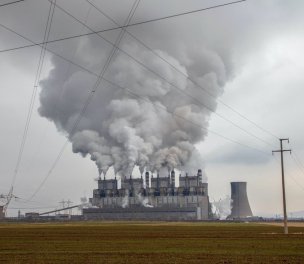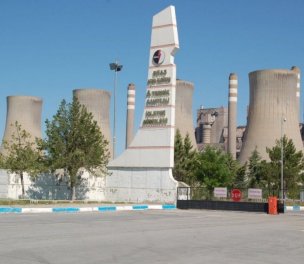








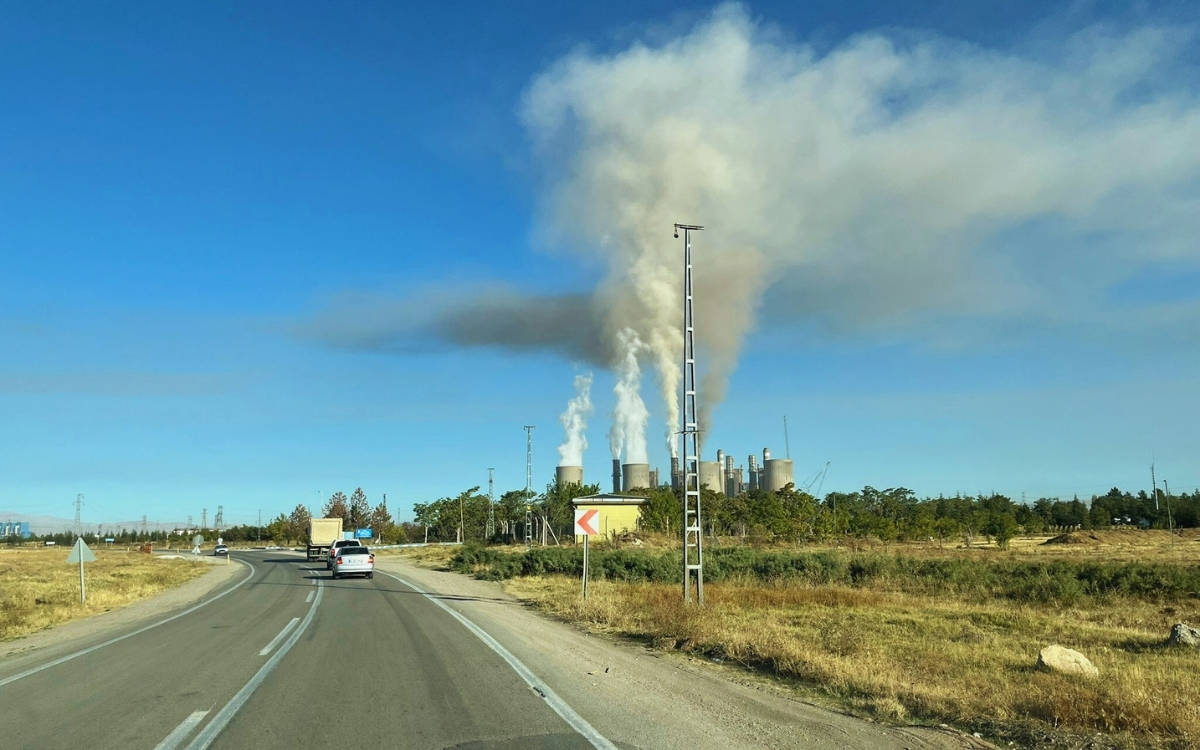



Turkey's southern province of Maraş has lived in the shadow of coal for 40 years. Despite well-documented reports on the environmental and public health damage caused by the Afşin-Elbistan A and B power plants in the province, energy investments in the region continue at full speed.
An engineer from Elbistan, who has lived in the city since birth, told bianet that the A plant has been operating for an extended period without using its filters installed in the chimnets, leading to heavy ash fall in the surrounding area. Çelikler Holding, which acquired the plant in 2018, does this to cut costs, in addition to using low-quality materials, the engineer claimed.
According to the “Black Report” published in 2022 by the Right to Clean Air Platform (THHP), the plants have caused an estimated 17,500 premature deaths between their establishment in 1987 and the year 2020.
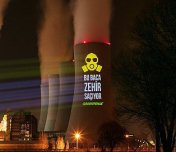
GREENPEACE REPORT
Maraş: Air pollution up to 10 times above limit values in coal plant impact areas
In Jan 2020, the A plant was shut down due to the lack of filters before resuming operations in June that year.
“After the plants were transferred to Çelikler Holding, they underwent a revision process, and installing filters on the chimneys was made mandatory," the engineer explained. "Their operations had been temporarily halted because the filters were not installed. But after public attention faded, operations resumed. They received temporary licenses and continued production even after those expired.
“Whenever we raise this issue, we’re told ‘the filters have been installed,’ but that’s simply not true. Currently, two of the four units are operational, and neither has active filters. According to a friend of mine who works as an engineer at the plant, the materials used are very poor in quality. Çelikler Holding is trying to do everything as cheaply as possible, so they use substandard materials, which prevents the filters from functioning efficiently. So, in reality, two units are now running without filters.”
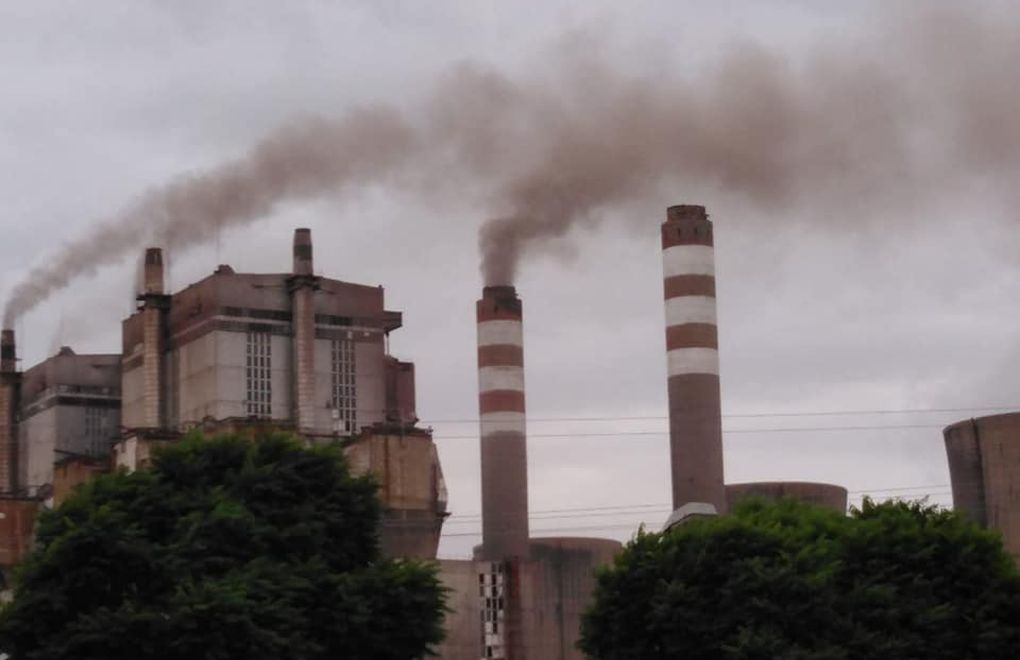
Six coal-fired plants continue to emit thick smoke after end of suspension
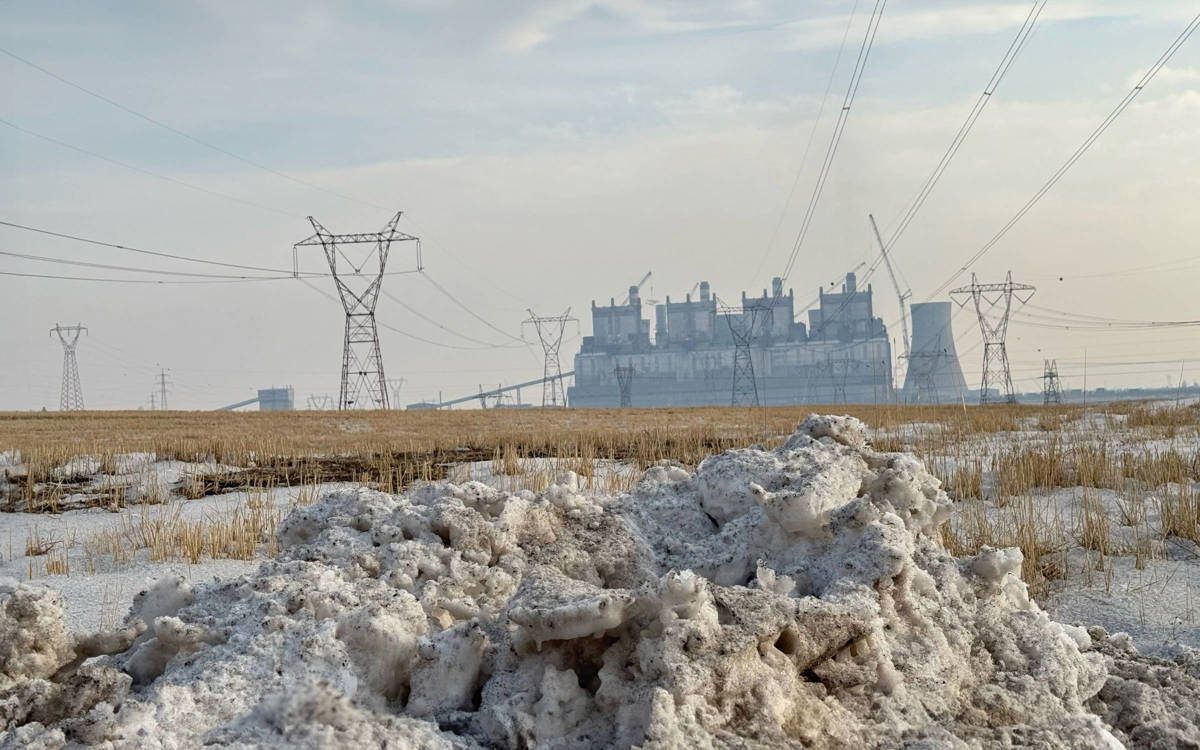
'We’ve seen jet-black snow'
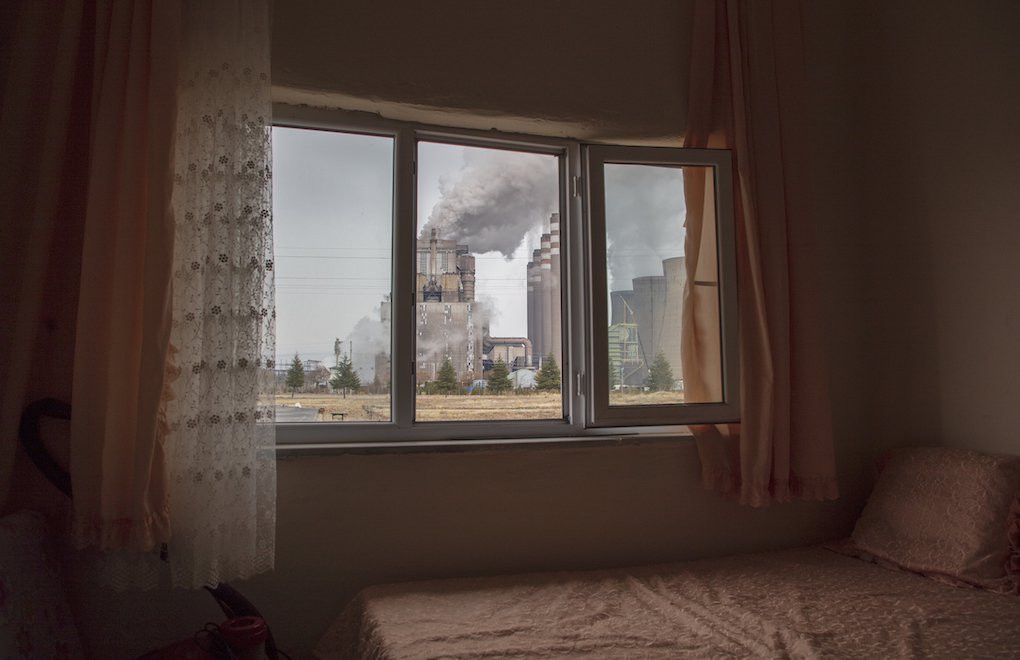
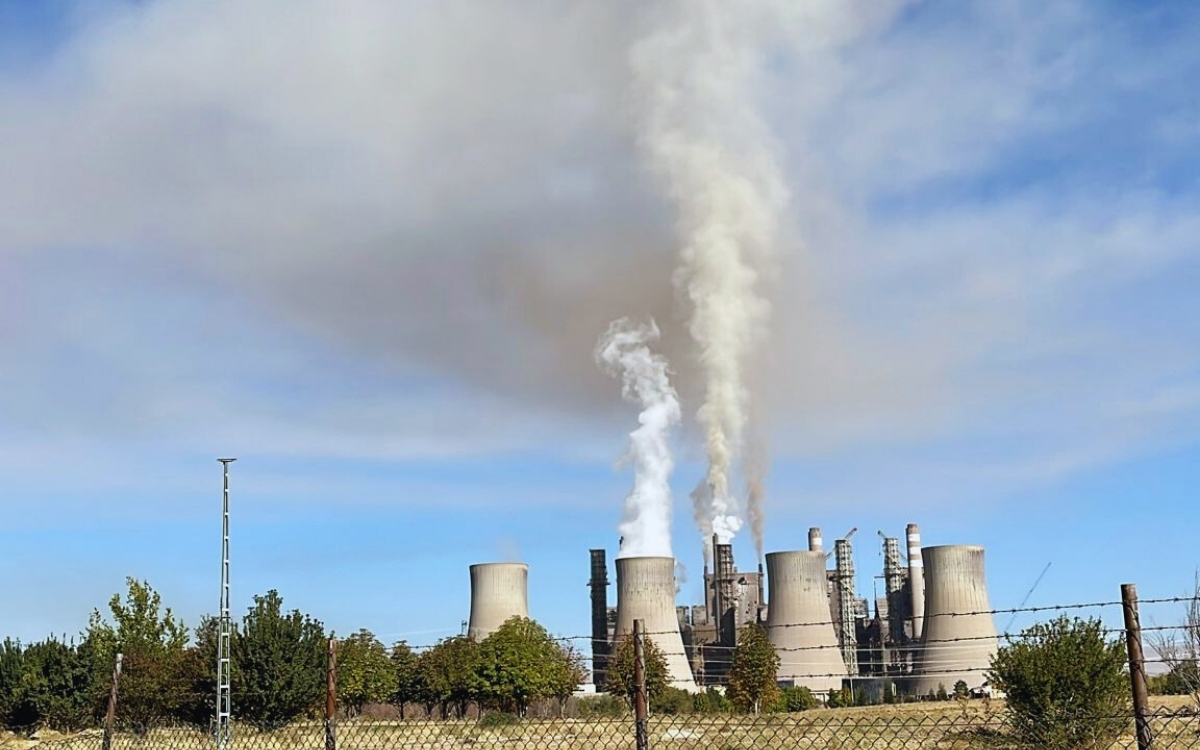
Speaking about the environmental and health issues caused by the plants, the engineer said, “Especially in the evenings, they take advantage of the darkness and shut down the filters completely. When we wake up, we see a thick layer of smoke hanging over Elbistan. The air is visibly polluted. We are forced to breathe it in. This has been going on for years. Even when it snows, the snow turns pitch black—we know this all too well.
“There is a significant number of cancer cases in the region. Hospitals receive many related complaints, but the Health Ministry hasn’t released cancer statistics for years. Let me put it this way: we’ve heard that patients arriving in Kayseri are being asked, ‘Are you from Elbistan?’ That’s how we’re starting to be known now.”
'Repairs are patchwork at best'
Despite the ongoing problems, the plant area is being expanded, and the targeted land consists of fertile agricultural fields, the engineer noted. “Another issue is that the coal field has been handed over to Çelikler Holding. The field is currently being expanded, and the areas being added are all productive farmland. These areas have been expropriated.
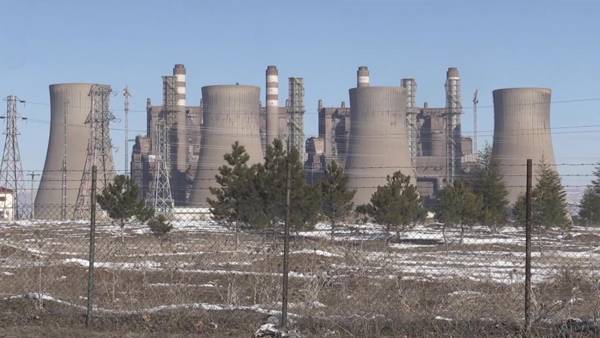
"The state had planned to shut down operations due to the plant’s end-of-life status, but halted that plan citing costs. After it was handed over to Çelikler, the operations have been maintained using what you could call a 'patchwork' approach. The A plant is operated by Çelikler, while the B plant remains state-owned.
Maraş coal-fired plant expansion could lead to ‘1,900 premature deaths'
“You’ll remember that the B plant was badly damaged in the [2023] earthquake. Some units were restored and put back into operation. But last year, there was a landslide at the coal site operated by Çelikler. Thankfully, there were no casualties, but production was disrupted. In the past, a landslide in the B plant area killed several workers. After this latest landslide, Çelikler stopped supplying coal to the B plant.
"This is strange because the coal field is actually state property. The state had to purchase coal from a private company to use in its own plant. This situation went on for months. While the B plant was idle, the A plant continued operating without filters. Why is Çelikler’s plant kept running while the state’s remains idle? If coal is in short supply, why is an unfiltered plant still operating? These are questions we still don’t have answers to.
“Another problem is the employment of refugee workers at the plant. Officials had promised that the plants would help solve unemployment in the region. But in reality, many locals remain jobless, while outside workers are brought in because they are cheaper to employ.”
'EIA report insufficient to protect public health'
The negative effects of the Afşin-Elbistan thermal power plants on the environment and public health have been ongoing for years. Despite this, a positive Environmental Impact Assessment (EIA) decision was issued on Dec 27, 2024, for the construction of two additional units at the A plant.
Residents of Afşin and Elbistan, the municipalities of Elbistan, Nurhak, and Ekinözü, along with institutions including the Turkish Medical Association (TTB), the TEMA Foundation, and Greenpeace Turkey, filed lawsuits against the Environment, Urbanization and Climate Change Ministry, arguing that the positive EIA decision was not based on scientific and technical grounds. They warned that its implementation would cause irreversible damage. As part of this legal process, an expert site inspection was conducted in June, and the initial expert report was delivered to local residents in September.
The report concluded that the EIA prepared for the new units was insufficient. Key findings include:
No site-specific ground studies or separate calculations for load-bearing capacity, safety stress, or settlement were carried out for each unit.
The agricultural lands surrounding the new units were not fully or accurately identified.
The project, which has a budget of 37.5 billion liras (based on 2024 prices), offers no public benefit.
The mining license information in the EIA is outdated. Environmental impacts from increased coal production were not included in the calculations, and cumulative assessments were incomplete.
No cumulative hydrogeological impact study was conducted for the groundwater drainage required for lignite production.
The EIA did not sufficiently assess public health risks. It lacked a separate risk analysis for vulnerable groups such as children, the elderly, and people with chronic illnesses. In its current form, the report is inadequate in protecting public health.
The local population’s livelihoods, lifestyles, and cultural values are under serious threat.
(TY/VK)