









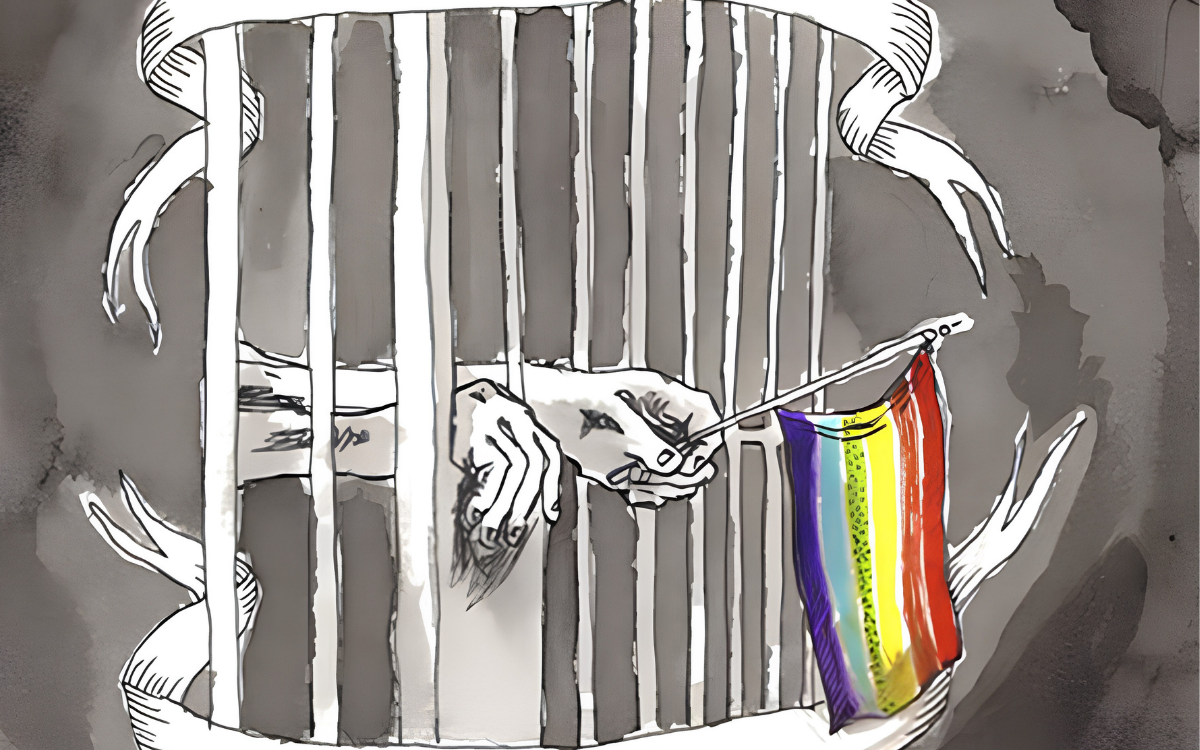



Lawyers who visited LGBTI+s jailed following the “My Family Is Safe” operations in Mersin, southern Turkey, have reported problems involving overcrowding, access to medication and basic necessities, and the confidentiality of attorney-client meetings.
During last month's anti-LGBTI+ operations spanning 15 provinces, 36 people were detained in Mersin, with 28 later placed in pretrial detention.
The lawyers prepared a report after visiting the Mersin Type-E Closed Prison, where the detainees are held.
According to the note, 18 people are being held in a ward designed for eight. Ten are sleeping on the floor, and some do not have mattresses.
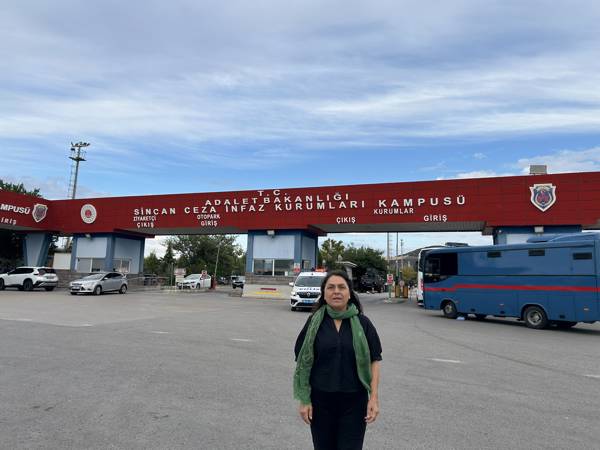
MP reports poor prison conditions after visiting detained LGBTI+ activists
Prisoners denied clothes
Detainees also lack basic items such as long-sleeved tracksuits and winter clothing, the lawyers said. Attempts by attorneys to deliver clothing were rejected because they did not have powers of attorney from the detainees.
The lawyers said the relevant regulation does not require a power of attorney for a detainee to meet with defense counsel. Requiring a power of attorney before accepting clothing or other necessities particularly affects detainees who have no family or outside support network, they noted.
They added that the same provision requires such meetings to take place where conversations cannot be overheard.
The visiting lawyers said the prison's meeting rooms did not provide adequate confidentiality and conversations between detainees and their attorneys could be heard by others nearby.
Lack of access to medication
One detainee was unable to obtain a hormone medication taken daily and experienced crying spells, according to the report. The detainee also lacked clothing suitable for winter conditions.
The lawyers said they were the only people able to provide that detainee with necessities, but prison officials would not accept the items without a power of attorney.
Other detainees who regularly take medication were unable to replace supplies after they ran out, the note said. Some had to determine the names of their medications themselves while in prison.
The lawyers also reported accounts of detainees not being taken to a hospital after sustaining physical injuries. HIV-positive detainees were being held in individual cells, while some detainees reported problems related to hygiene conditions.
Lawyer says private messages cited as 'obscenity' evidence against detained LGBTI+s
Those without family or financial support were having difficulty obtaining clothing, books, canteen items and other necessities, according to the lawyers. Some also expressed concern about elderly or dependent relatives they had supported before their detention and about their ability to meet loan payments and other financial obligations.
Background
The Mersin detentions were part of a wider September crackdown which led to the pretrial detention of 82 people including LGBTI+ rights advocates.
Authorities linked the operations to government policies on family and population and cited allegations including obscenity, prostitution-related offenses, forming an organization to commit crimes, drug offenses and violations of the Associations Law. The reported allegations varied between investigations and did not apply uniformly to everyone targeted.
Rights organizations have argued that the investigations criminalize lawful advocacy, LGBTI+ visibility and private relationships. Authorities have presented the operations as measures to protect children, families and public order.
How Turkey’s vague obscenity law is becoming a tool to criminalize LGBTI+ visibility
(EMK/VK)

