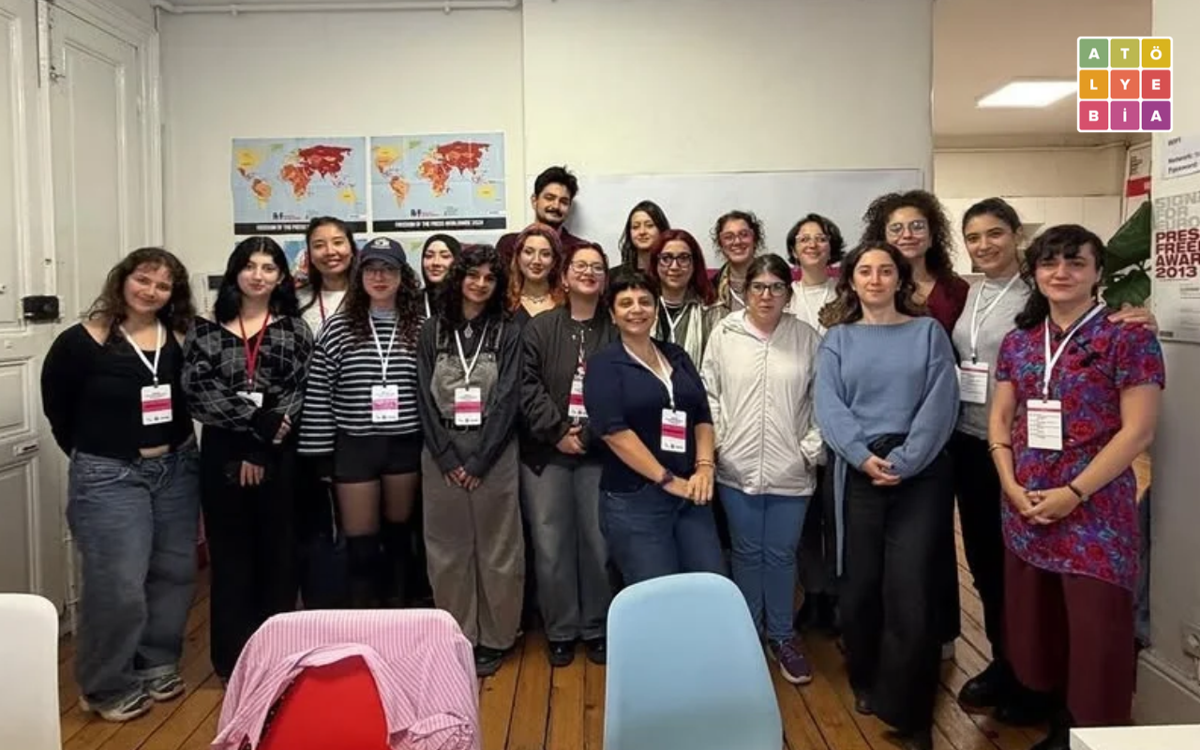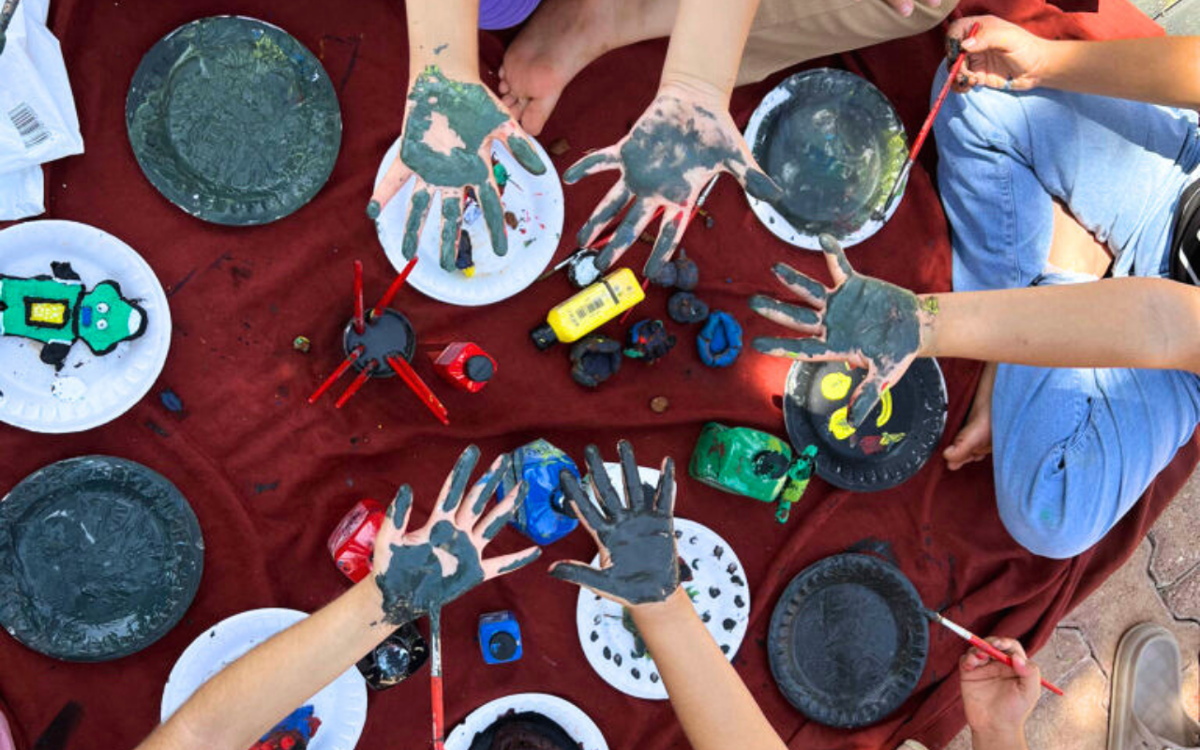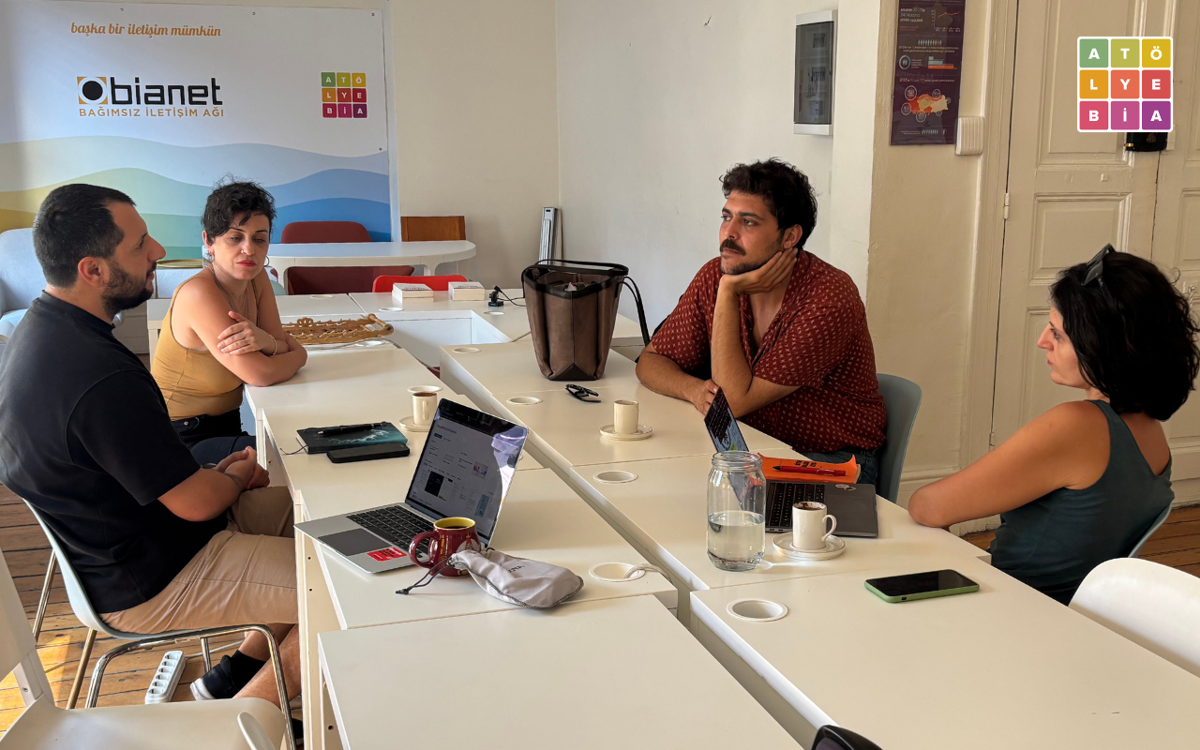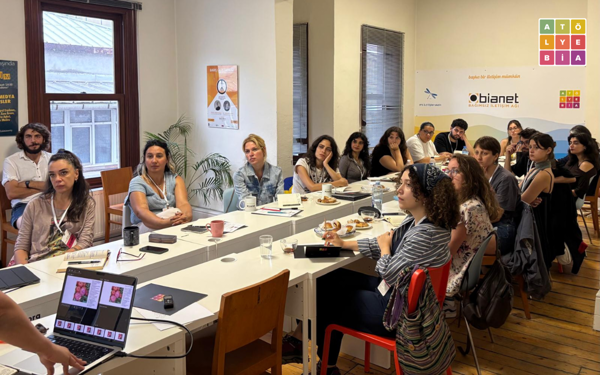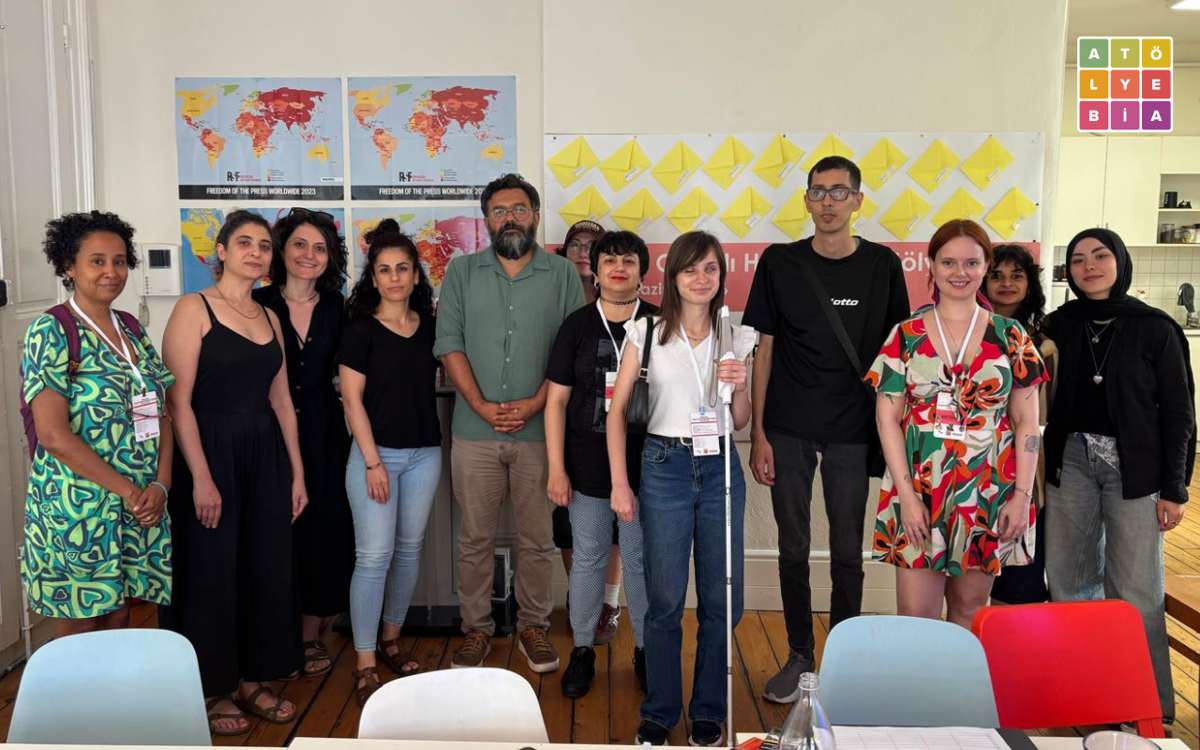




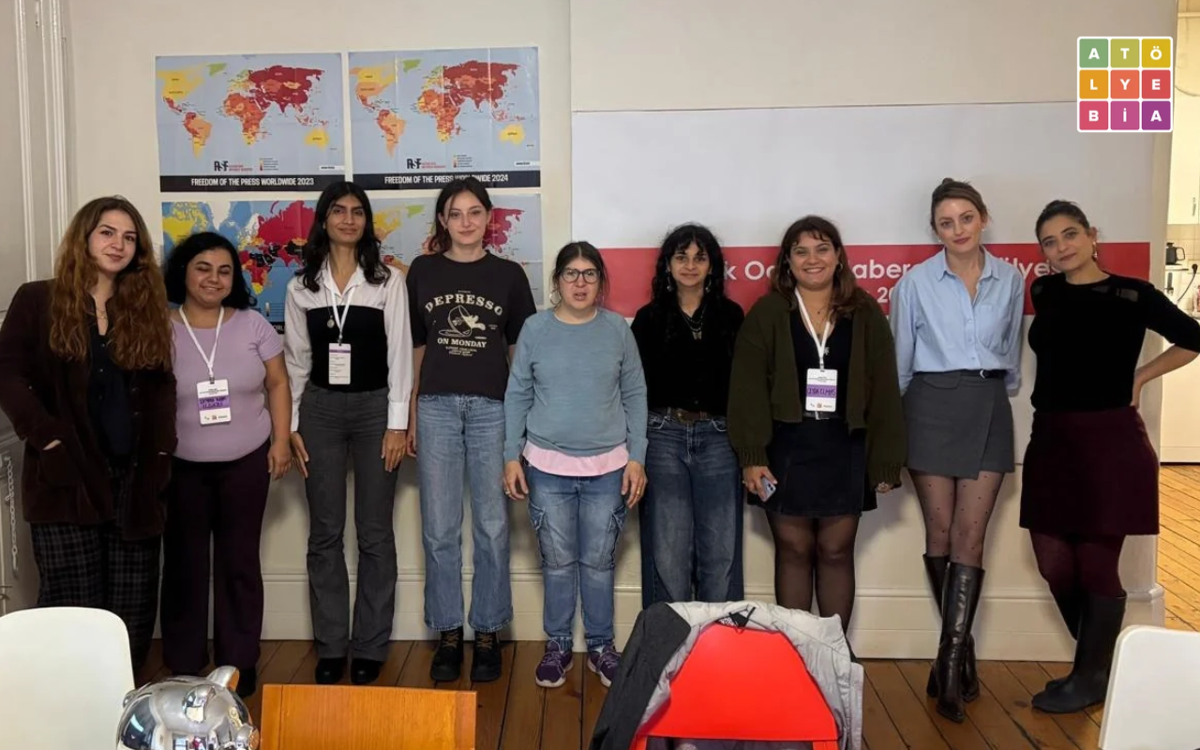


The Child-Focused Journalism Workshop, organized at the IPS Communication Foundation/Atölye BİA office in Beyoğlu, was held on Oct 27. The one-day workshop began with participants introducing themselves and Atölye BİA Coordinator Ceyda Sungur presenting the program.
During the workshop, participants discussed the fundamental principles of child-focused journalism, the legal framework for children's rights and how children are represented in the media. Throughout the day, practical exercises assessed the language, headlines, leads and visuals used in news stories from a children's rights perspective.
The workshop program
Introduction to child-focused journalism (Nalin Öztekin)
Children and children's rights in law (Kardelen Ateşci)
Practice: Identify rights violations (Nalin Öztekin)
Practice: Editor's desk (Nalin Öztekin)
‘When interviewing a child, we must first create a safe environment’
In the workshop's first session, bianet editor Nalin Öztekin discussed the fundamental principles of child-focused journalism and how children are represented in the media.
Öztekin stressed that children should be regarded as individuals with rights and freedoms. She said the UN Convention on the Rights of the Child provides important guidance for journalists. She emphasized the need to prioritize the best interests of the child, protect their right to participation and avoid subjecting them to further harm through reporting.
Highlighting the importance of including children's own views in news coverage, Öztekin said:
Journalists fundamentally need to consider the risk of harming the child. We avoid narratives that use children to evoke sympathy or may lead to stigmatizing language. At the same time, we prefer to see children not as objects of a news story but as subjects, as individuals who hold rights. While it is important not to overlook their right to participation, interviews with children must also take place in a safe environment and with informed consent to ensure that participation is meaningful and appropriate.
Öztekin also stressed that reports involving children pushed into crime should focus on the broader social context and root causes, while also scrutinizing the responsibilities of institutions:
Which institutions could have fulfilled which responsibilities before the child reached this point?
What is the UN Convention on the Rights of the Child?
The Convention on the Rights of the Child, adopted by the United Nations (UN) General Assembly on Nov 20, 1989, is an international human rights treaty that guarantees children's fundamental rights. Turkey signed the convention in 1990 and ratified it in 1994.
The convention guarantees children's rights to life, development, education, health, protection and participation. Its core principles include non-discrimination, the best interests of the child and respect for children's views.
Social responsibility in the juvenile justice system
In the workshop's second session, Kardelen Ateşci, head of the İstanbul Bar Association Children's Rights Center, discussed the legal framework for children's rights and the juvenile justice system.
Referring to the UN Convention on the Rights of the Child, Ateşci emphasized that children are rights holders. She discussed the importance of the best interests of the child, participation, privacy and protection from violence in journalism.
Noting that the juvenile justice system differs from the adult justice system, Ateşci said, "Our primary goal should be to reintegrate the child into society."
Ateşci also discussed the terms "child drawn into crime" and "child involved in judicial proceedings," addressing the problems associated with both. She stressed that social conditions such as poverty, neglect, abuse and exclusion should not be overlooked when examining why children become involved in crime.
The session also addressed the protection of children's identities, the presumption of innocence and the risk that news coverage may retraumatize children. Ateşci said journalists should avoid stigmatizing language in their efforts to produce fast and attention-grabbing stories.
Applied exercise: Identify the violations
The workshop's third session consisted of a practical exercise led by Nalin Öztekin. Participants were divided into groups and examined stories published by different media outlets from a children's rights perspective.
Using reports on child marriage, sexual abuse and violence among children, participants assessed the language and visuals used as well as potential rights violations. They identified problematic wording and rewrote the stories in line with the principles of child-focused journalism.
Öztekin stressed that news reports should not normalize violations of children's rights and should provide information about available avenues for seeking redress:
When information about ways to seek redress is included in news reports, it can also show others how and where they can pursue their rights. An important part of rights-based journalism is to move readers out of a passive position, inform them about available mechanisms and tell them, 'You can apply to these institutions in response to this rights violation.'
Later in the session, participants examined more comprehensive news reports and worked on how they could be restructured.
Rewriting news from a children's rights perspective
In the workshop's final session, a second practical exercise was held under the guidance of Nalin Öztekin. Participants assessed the headlines, leads, content and visuals of stories published by different media outlets from a children's rights perspective.
They worked on reports involving sexual abuse of children, school attacks, child labor and children drawn into crime. Participants revised problematic language and selected visuals that would protect children's rights.
Öztekin emphasized the importance of protecting children's identities, making perpetrators' responsibility visible and including information on avenues for seeking redress.
The workshop concluded with participants reviewing the news stories they had prepared and discussing editorial responsibilities in child-focused journalism.
(EG/VK)