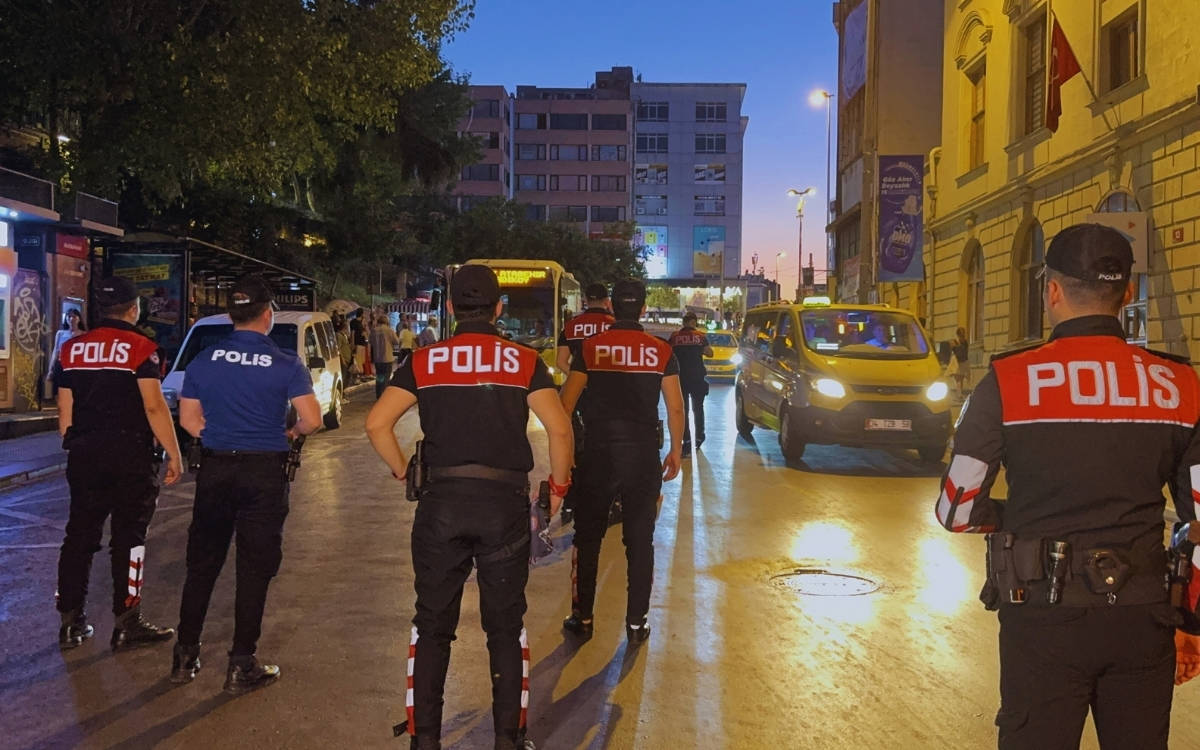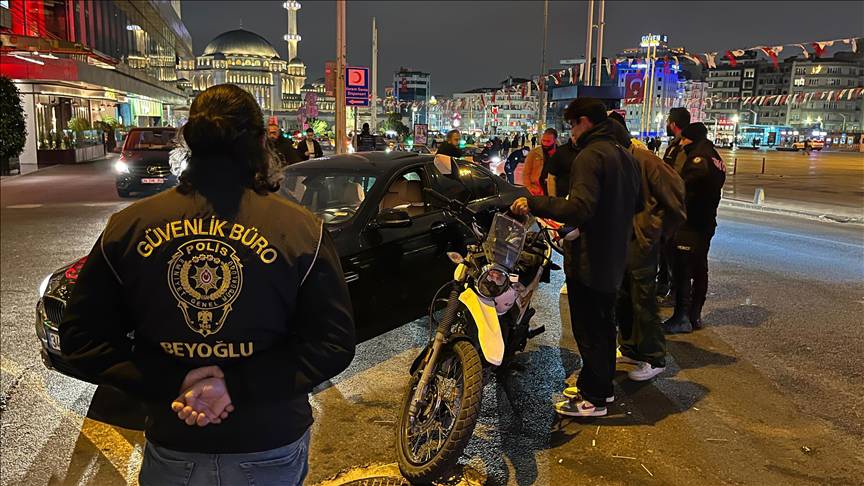



İstanbul police carried out identity checks on more than 450,000 people as part of a large-scale nighttime operation across the city on Jun 28. This figure accounts for roughly one in every 30 residents of the metropolis, which has a population of around 15 million.
The operation, named “Peace İstanbul,” was conducted in two phases in four hours and involved thousands of officers and surveillance units, according to a statement by the Istanbul Provincial Security Directorate.
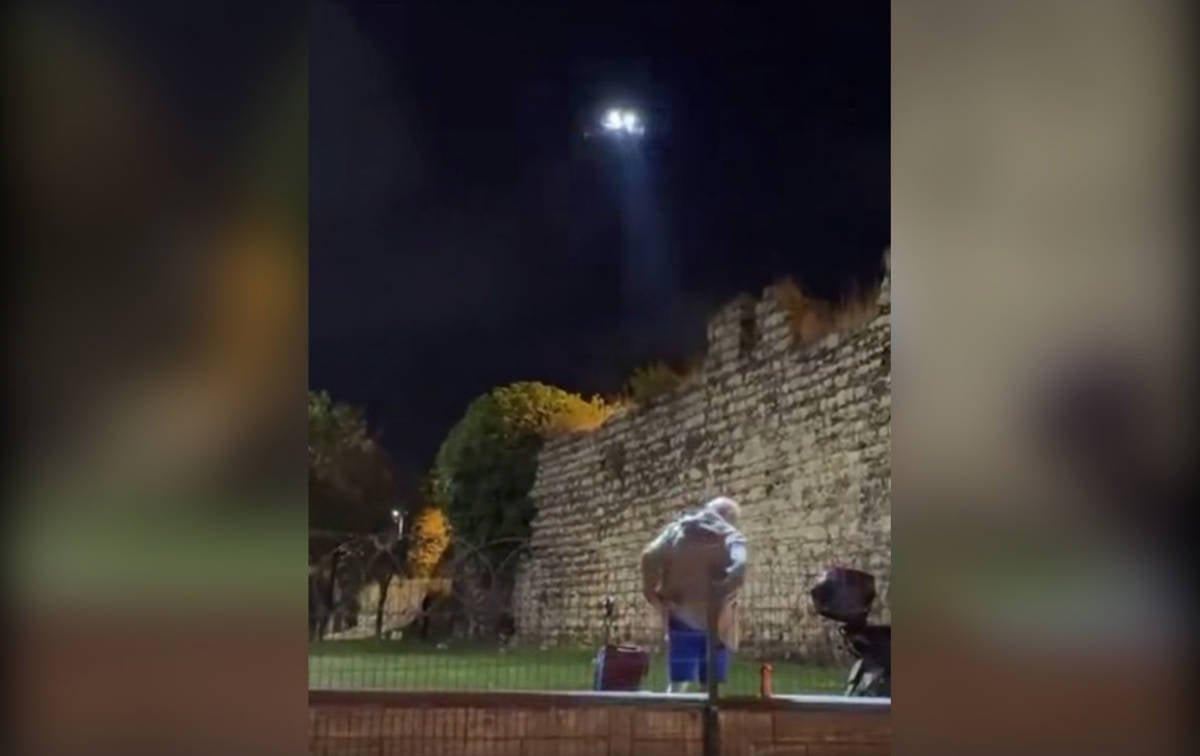
The first phase of the operation took place between 8.00 pm and 10.00 pm at 215 checkpoints, with 1,354 personnel deployed. The operation was supported by a police helicopter and five boats from the Maritime Branch Directorate.
The second phase, carried out between 10.00 pm and 11.59 pm, involved inspections at public venues, with participation from 1,305 officers. In total, the police conducted background checks, known in Turkey as General Information Gathering (GBT), on 454,795 individuals.
As a result of the operation, 906 people were taken into custody, including 503 individuals wanted for various offenses. The police also confiscated 26 unlicensed pistols, seven shotguns, four blank-firing guns, and 143 rounds of ammunition, as well as an unspecified amount of drugs, 2,144 drug pills, 8,465 Turkish liras, and 100 US dollars.
Authorities inspected 438 public establishments, issuing administrative action against 57 individuals.
In traffic inspections, 45,221 vehicles and 2,964 motorcycles were checked. Legal action was taken against 2,254 vehicles and motorcycles, and 23 drivers. Seven vehicles were impounded. The total amount of traffic fines issued reached 1,043,496 Turkish liras.
Police officials stated that inspections aimed at maintaining public order and safety across İstanbul will "continue with determination."
Routine GBT checks are commonly carried out by police on Friday and Saturday nights in nightlife-heavy areas such as Kadıköy, Beşiktaş, and Taksim. Authorities do not disclose which specific information the police can access.
While individuals can view their criminal records through the e-Government portal, the content of GBT records are not publicly accessible. Under the Personal Data Protection Law, individuals may request access to these records through a formal application.
Arrests through city surveillance cameras
In recent months, reports have emerged suggesting that individuals with outstanding arrest warrants are being identified through facial recognition technology linked to MOBESE surveillance cameras.
The most recent instances occurred during Pride Month events, where several LGBTI+ activists who were taken into custody reported that officers told them they had been identified through surveillance cameras.
Back in 2023, then-Interior Minister Süleyman Soylu had introduced an application called KİM ("Who?") during an appearance on a technology program broadcast on YouTube. Demonstrating the app, Soylu took a photo of the interviewer and displayed their personal identification details. “The state has immense capabilities. What I’ve shown is just one hundred-thousandth of it,” he had said.
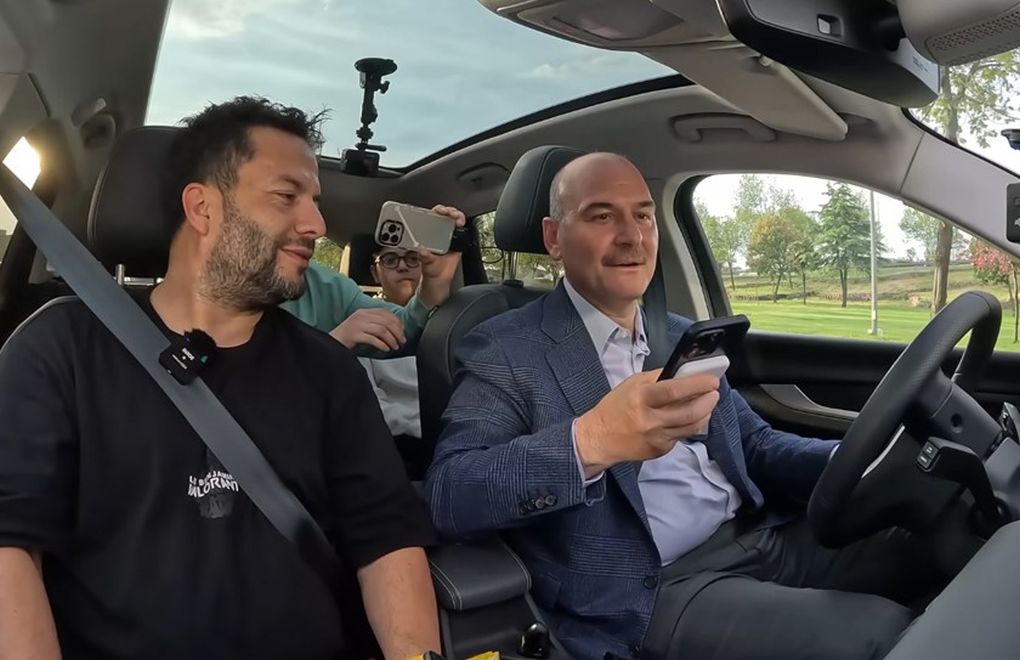
Turkey's interior minister faces criminal complaint over facial recognition app exposing IDs
Although the government has never officially acknowledged the application, it drew criticism at the time for allegedly processing personal data without consent.
Authorities have not disclosed which agencies, if any, were authorized to use the system. However, the recent facial recognition identifications made via suveillance cameras raise suspicion that the same technical infrastructure may now be integrated into the citywide surveillance network. (VK)