













bianet'in özel bildirimlerine izin vererek önemli gelişmelerden haberdar olabilirsiniz.
İstanbul floods: Death toll rises to three amid heaviest rainfall in 45 years
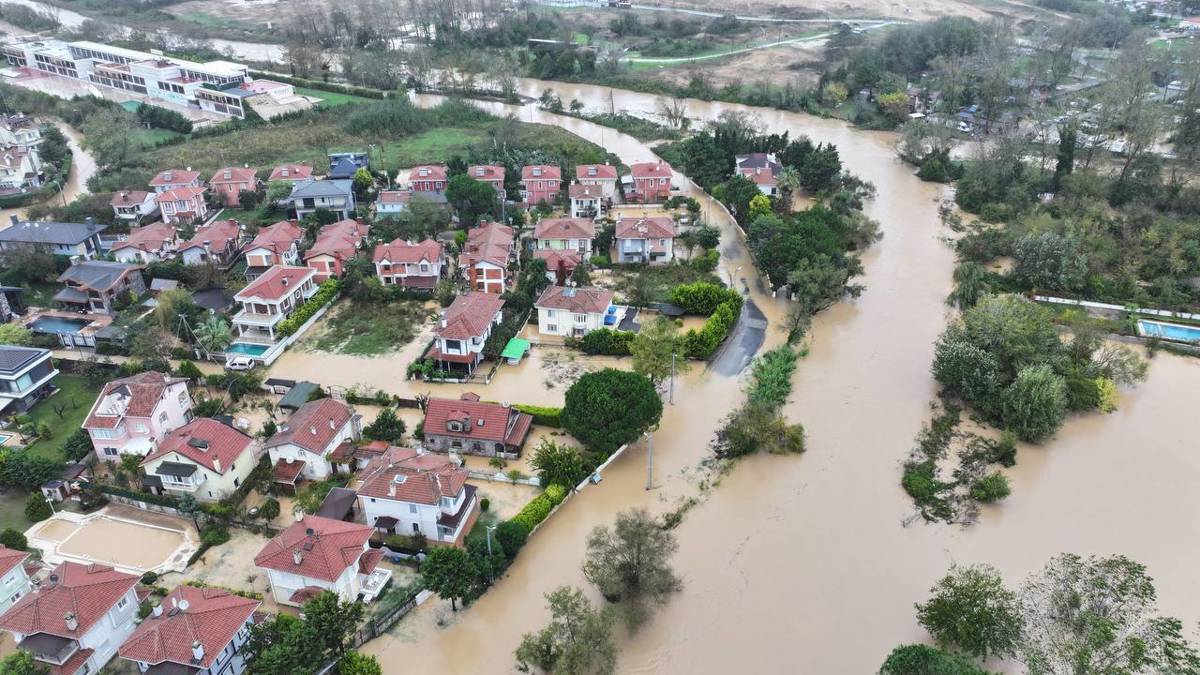
Emergency workers rescued more than 2,700 stranded people as the storm system moved east of İstanbul, bringing heavy rainfall to neighboring provinces. Four people are still missing.




The death toll from severe flooding in İstanbul rose to three after two more people were confirmed dead.
One of them was a 34-year-old man in the Sarıyer district, identified as S.Y., who slipped while attempting to cross floodwaters on Dereboyu Avenue, one of Sarıyer's busiest streets. He struck his head on the curb and was unable to get out of the water.
Bystanders pulled him from the flooded street, but he died after being taken to a hospital.
Additionally, the body of a man was found today snagged on the pier of a bridge over the Kağıthane Stream in the Kağıthane district. Passersby discovered the body and reported it to the police. Efforts to identify the victim are underway, the governor's office said, adding that four more people remain missing.
Yesterday, a 14-year-old child was electrocuted after stepping barefoot into a puddle in a park in the Fatih district.
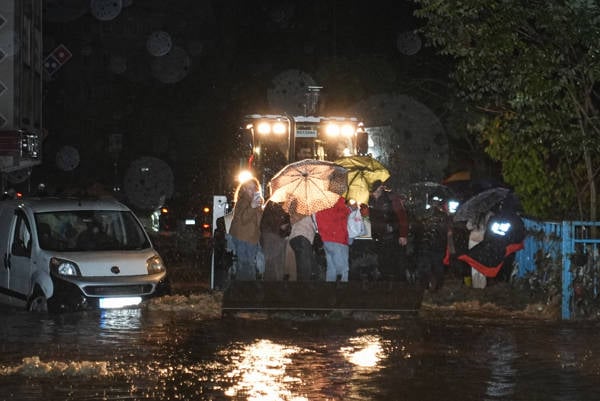
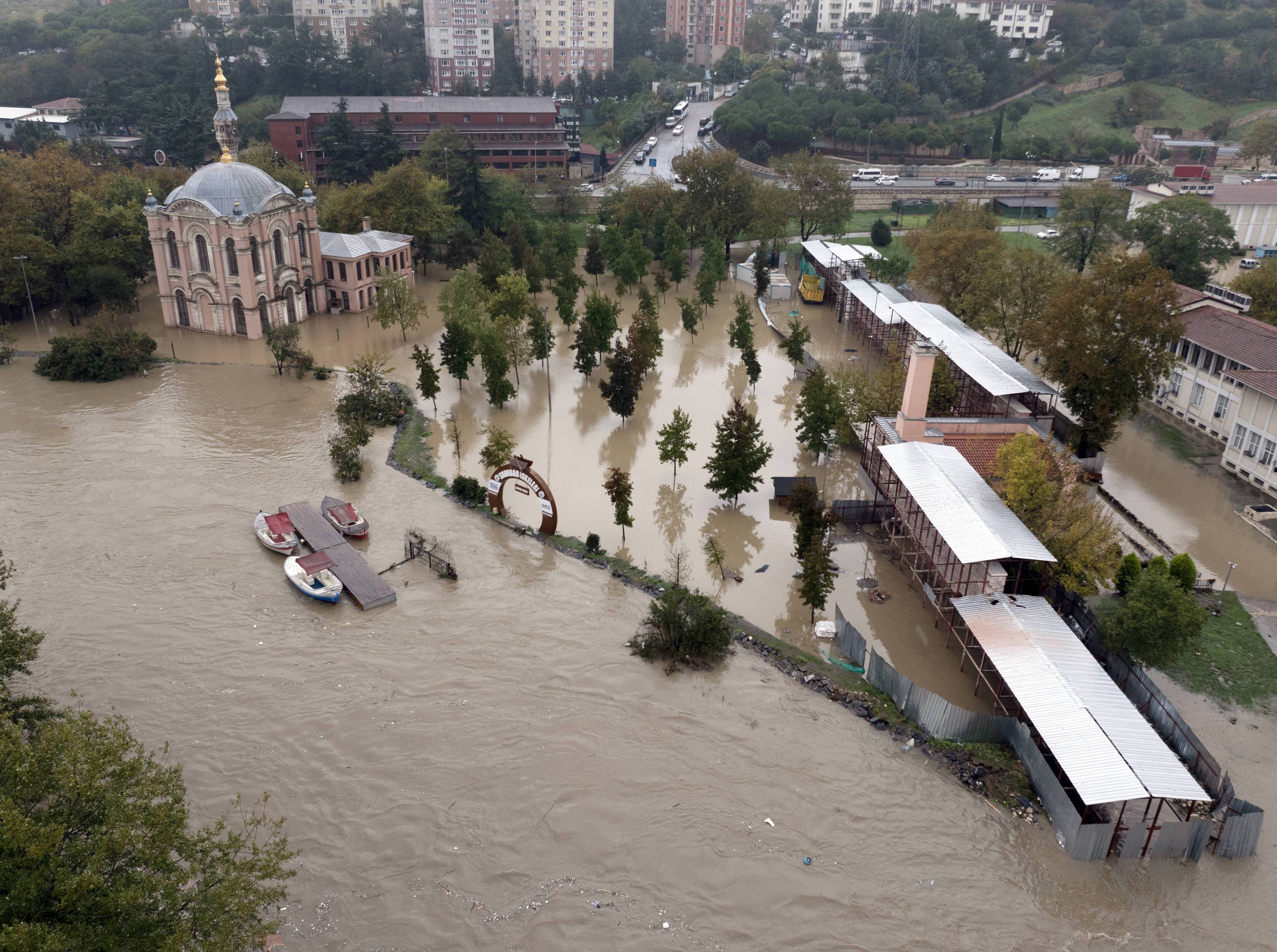
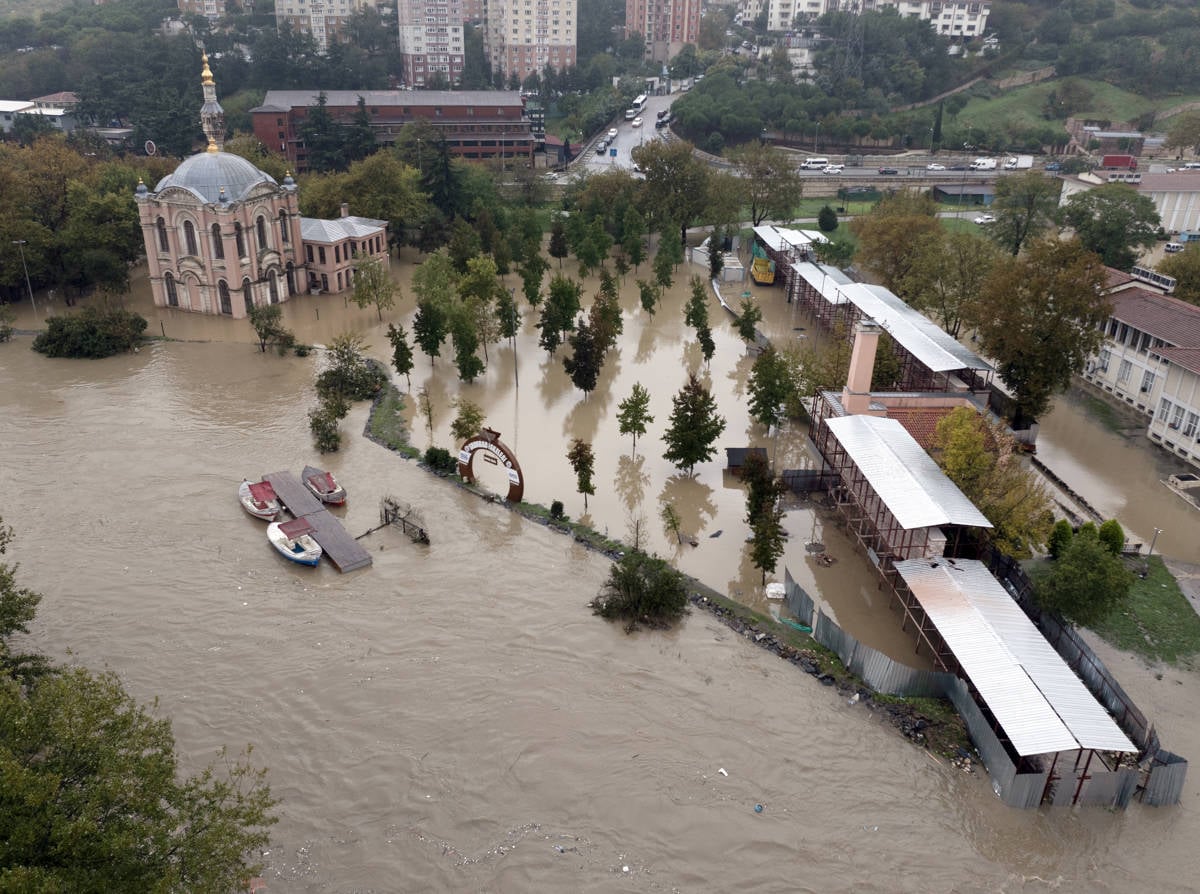
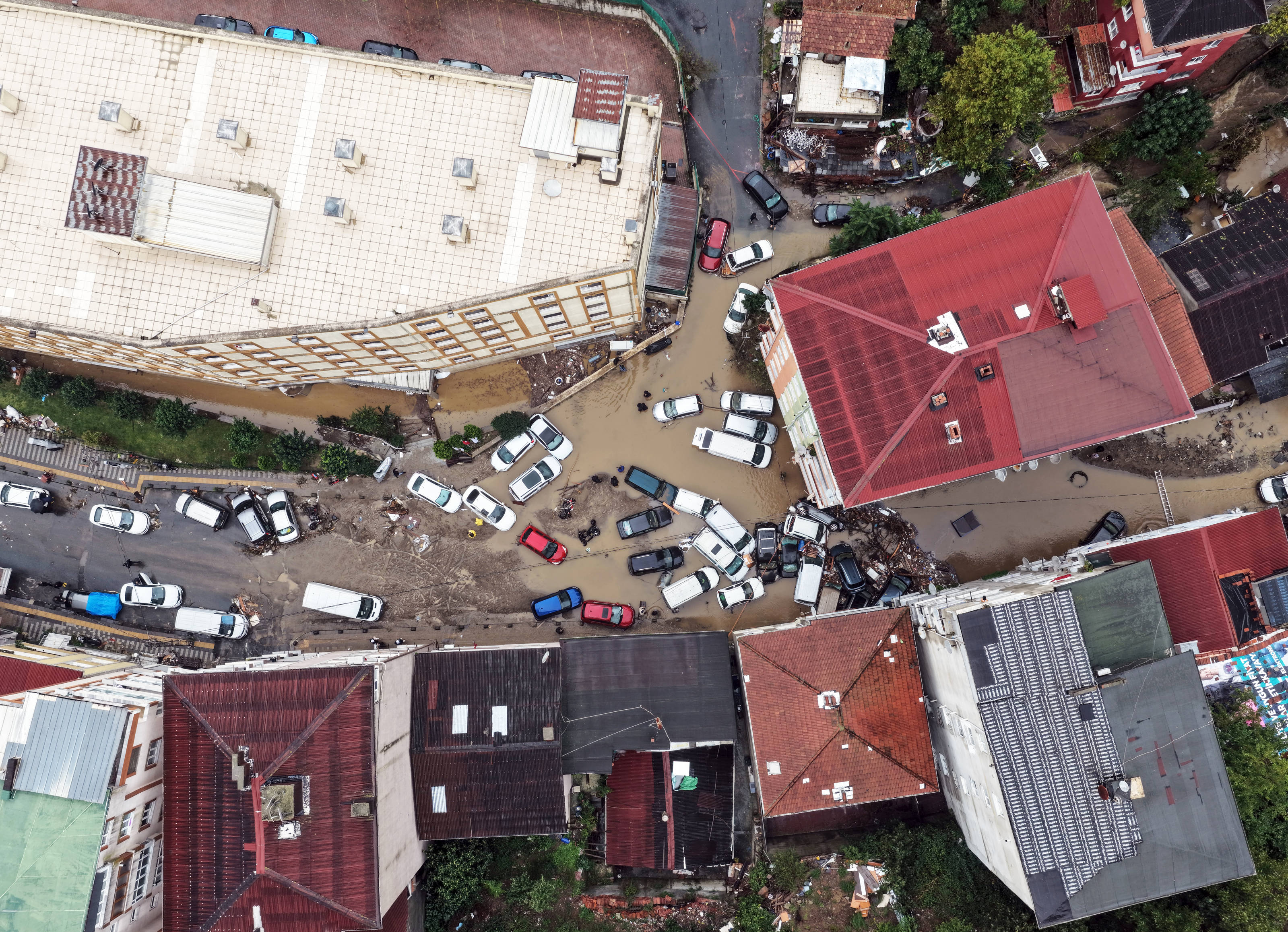
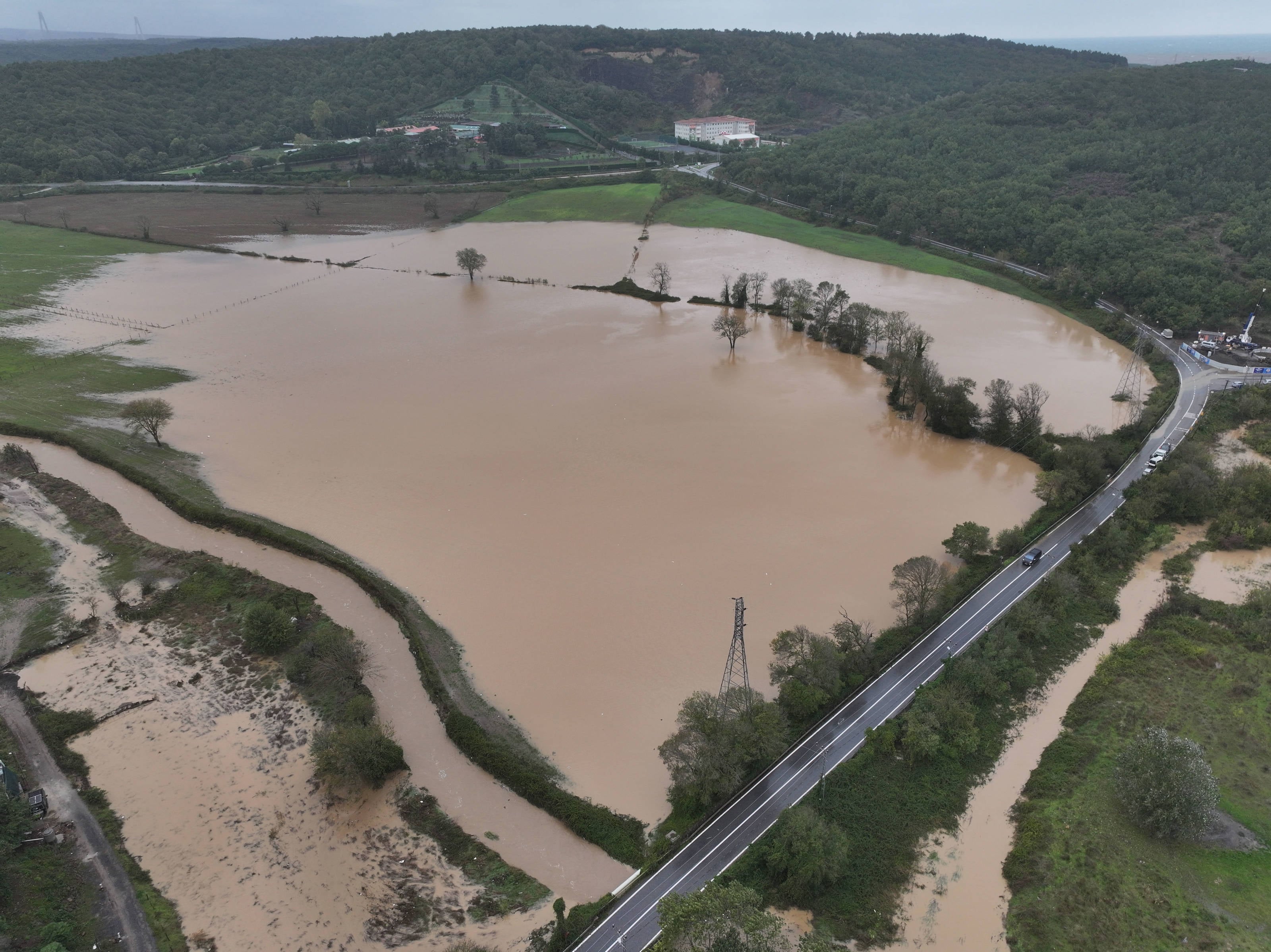
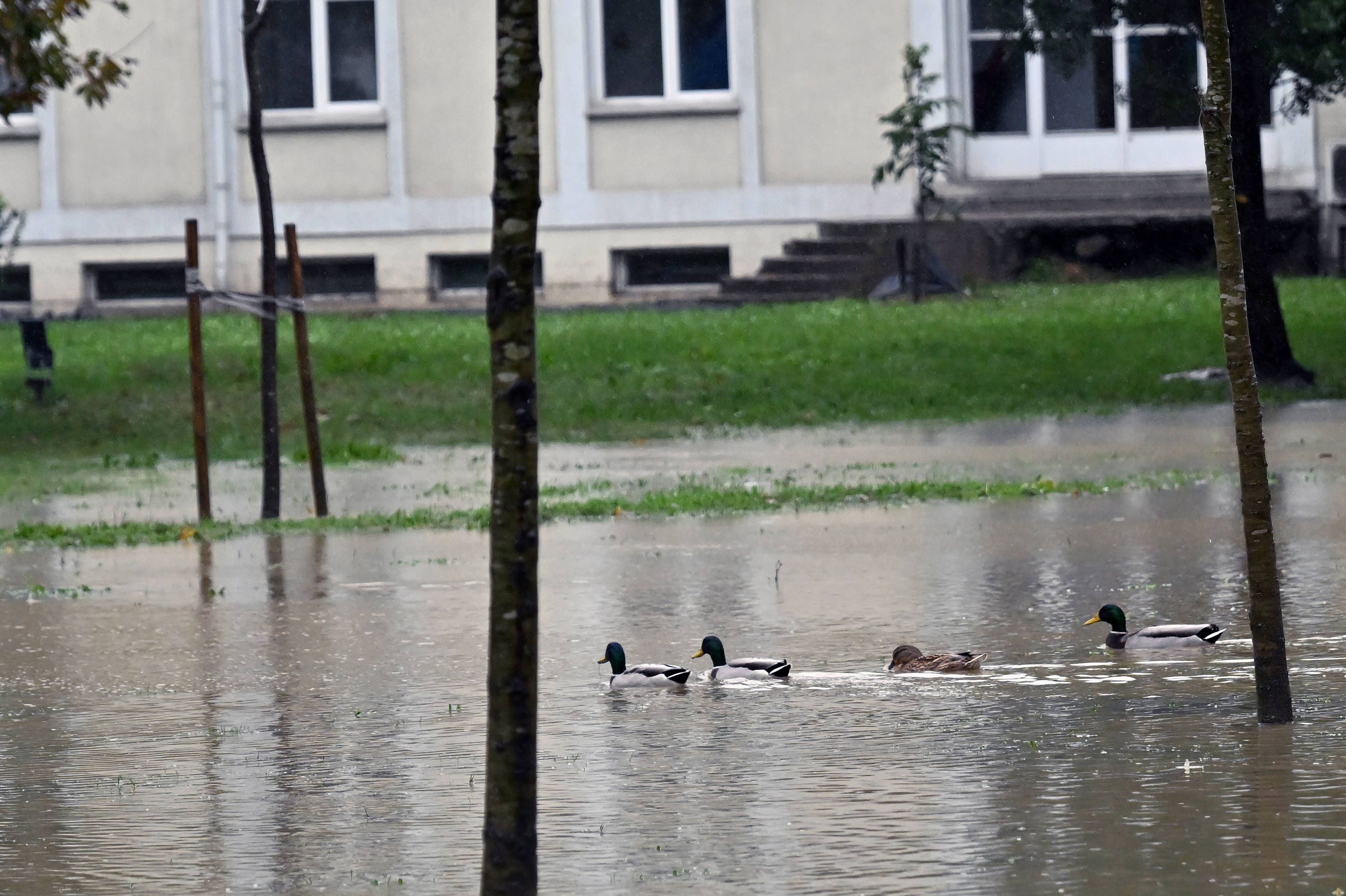
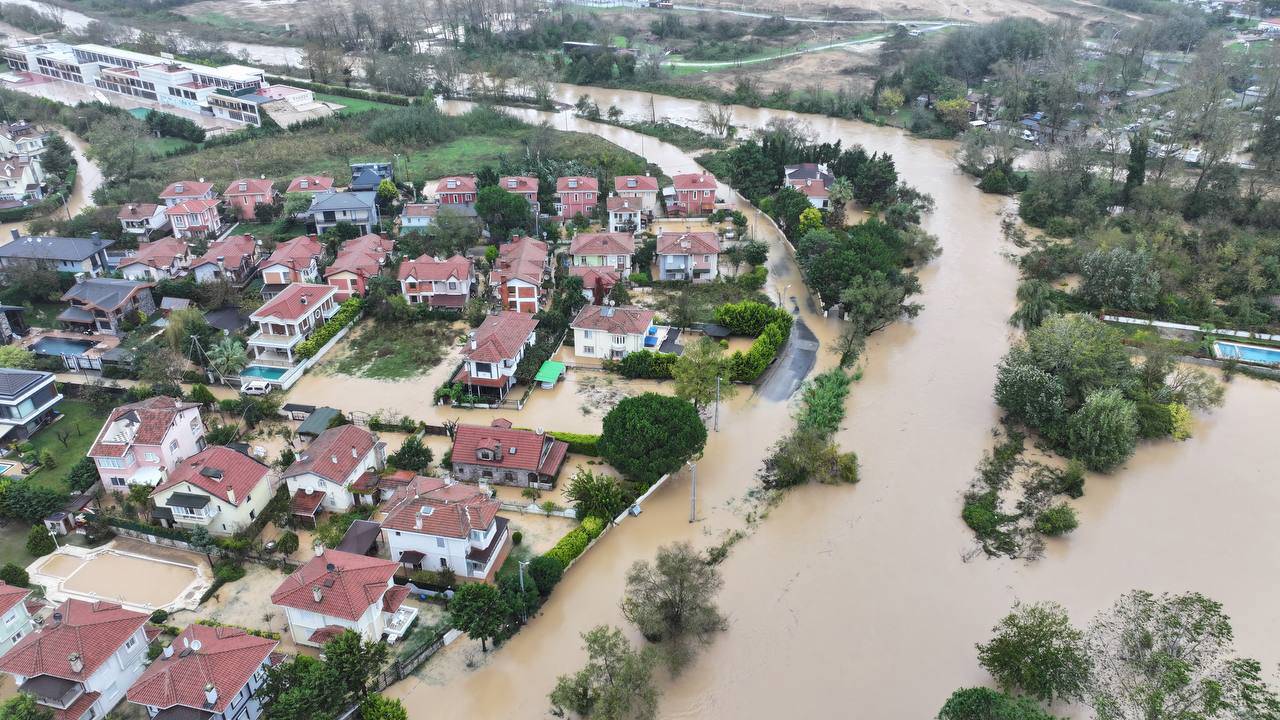
The deaths came as torrential rain on Oct 14 caused widespread flooding, disrupted transportation and prompted thousands of evacuations across İstanbul.
Most intense rainfall in 45 years
Acting İstanbul Mayor Nuri Aslan said the city had experienced its most intense rainfall in 45 years, with some areas receiving between 130 and 273.1 kilograms of rain per square meter.
The highest rainfall was recorded in Beykoz, at 273.1 kilograms per square meter, followed by Sarıyer at 208.1 and Eyüpsultan at 202.8. Other districts received between 35 and 120 kilograms per square meter.
Aslan said municipal teams had evacuated 595 stranded people across the city. Disruptions to bus and metro services had been resolved, while cable car services remained suspended because of weather conditions.
"Although the rainfall has largely ended, the danger has not completely passed, particularly in streambeds, flooded areas, underpasses and places at risk of landslides," Aslan said.
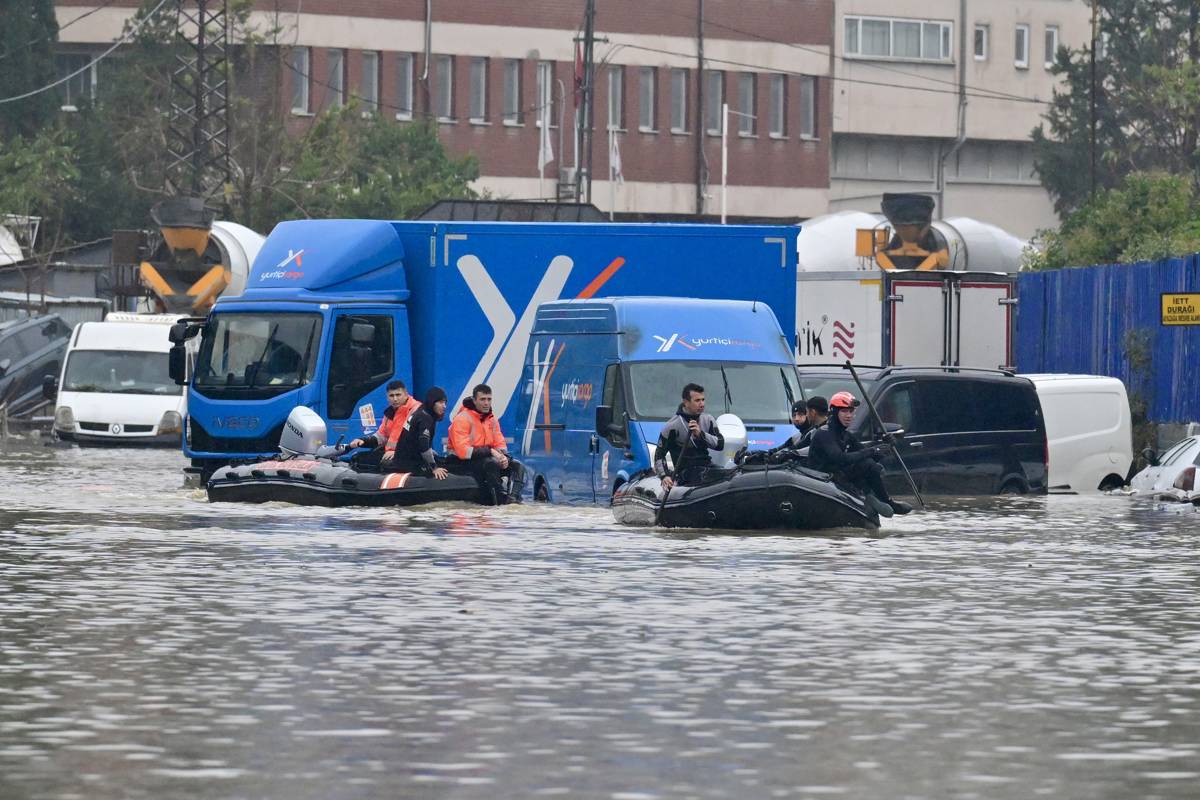
More than 2,700 people rescued
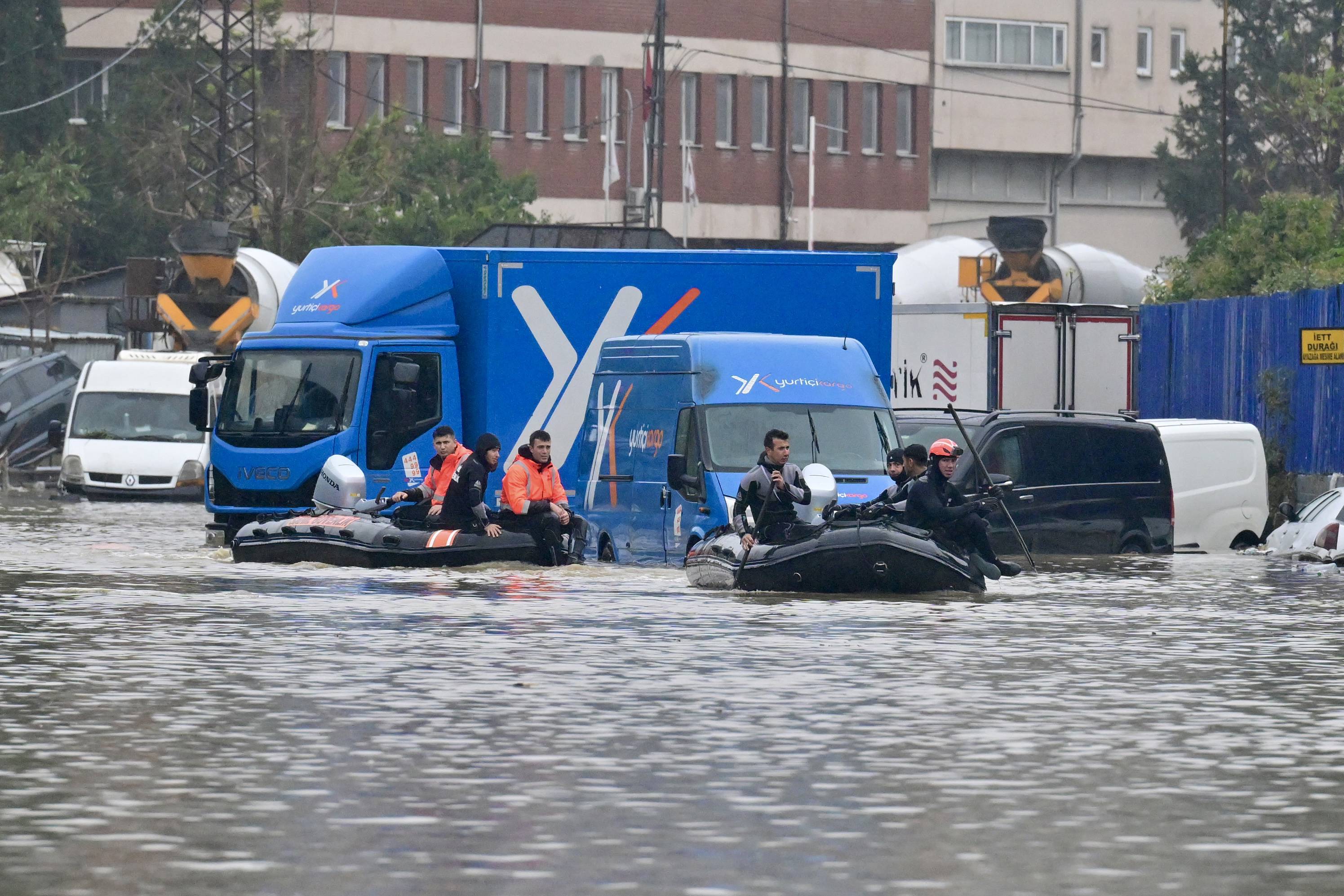
İstanbul Governor Davut Gül said emergency teams had rescued 2,722 people across the city, using boats and other vehicles.
Limited rescue operations were still underway at 14 locations, he added.
Gül said residents unable to remain in their homes were being accommodated in public guesthouses, hotels and other facilities across İstanbul's 39 districts, under the coordination of district governors.
The flooding also disrupted air travel and road transportation.
Flights canceled, motorcycles banned
The flooding also disrupted air travel and road transportation.
"At İstanbul Airport, 51 flights were diverted to alternative airports. A total of 19 flights were canceled, including seven arrivals and 12 departures," Gül said.
Gül said 16 roads remained closed across the city, with crews working to restore access. The closures involved smaller sections of major roads where alternative routes were available.
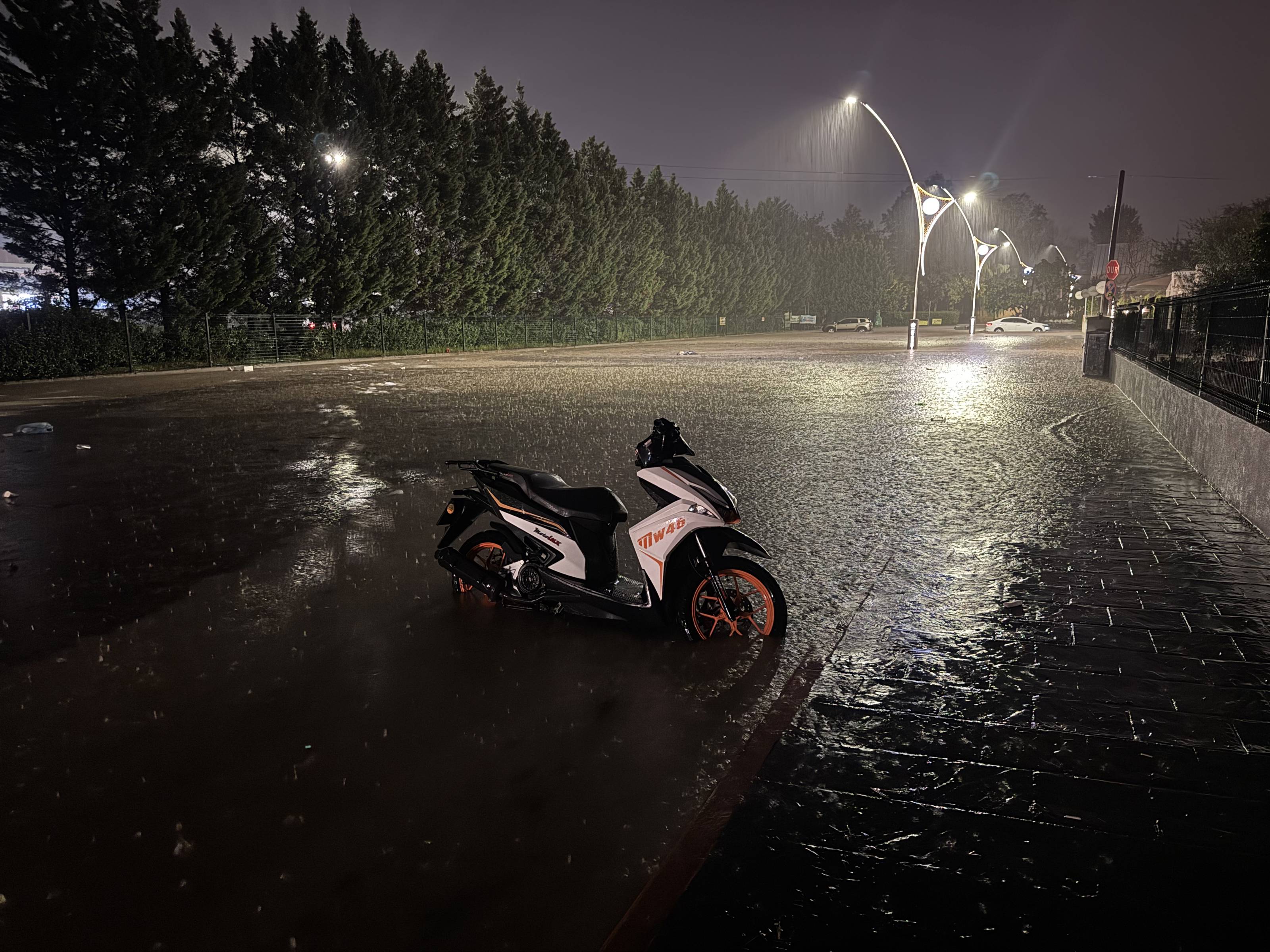
The governor also confirmed that the temporary ban on motorcycle traffic would remain in effect.
Also, schools in İstanbul were closed for Oct 15 and 16 because of the severe weather.
Gül thanked residents for following weather warnings and avoiding basements and other areas vulnerable to flooding, saying these precautions had helped reduce casualties and damage.
Heavy rain spreads across Marmara region
The storm system moved eastward overnight, bringing heavy rainfall to Sakarya, Yalova and Kocaeli after battering İstanbul the previous day.
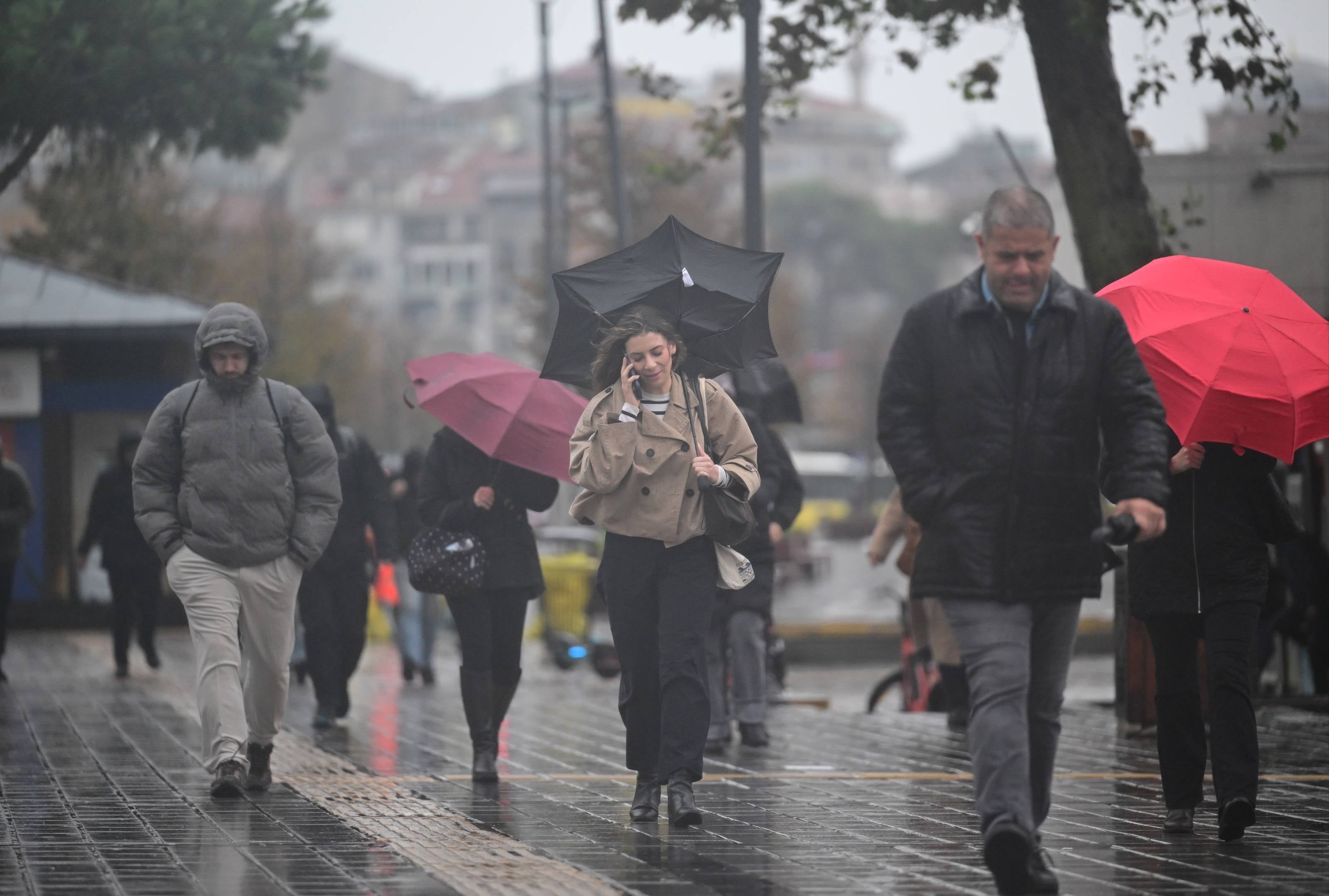
According to the Turkish State Meteorological Service's Oct 15 forecast, rainfall in İstanbul was expected to ease compared with the previous day, although further downpours remained likely.
The weather alert for İstanbul was lowered from red to yellow, but authorities continued to warn of potentially severe conditions across northwestern Turkey.
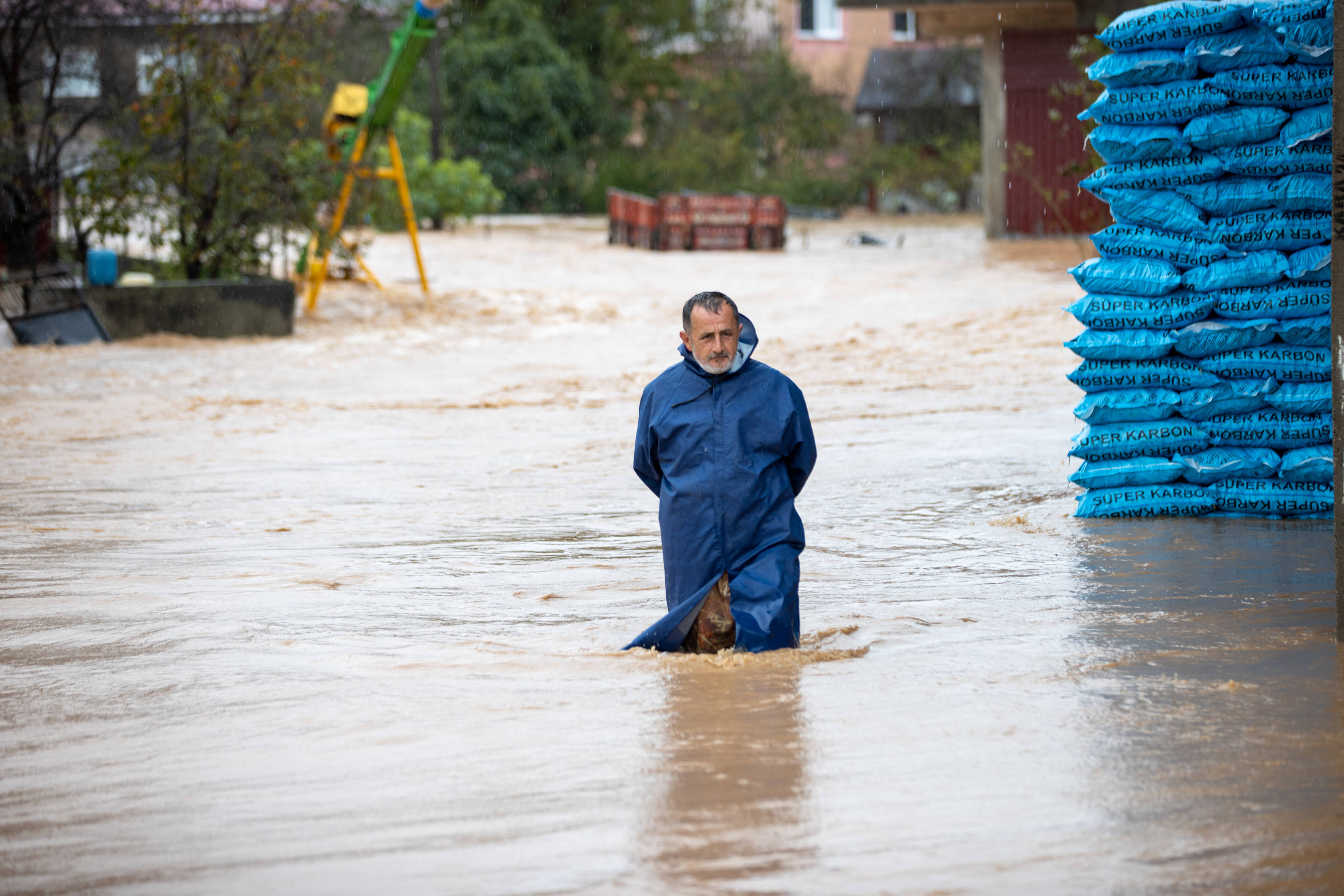
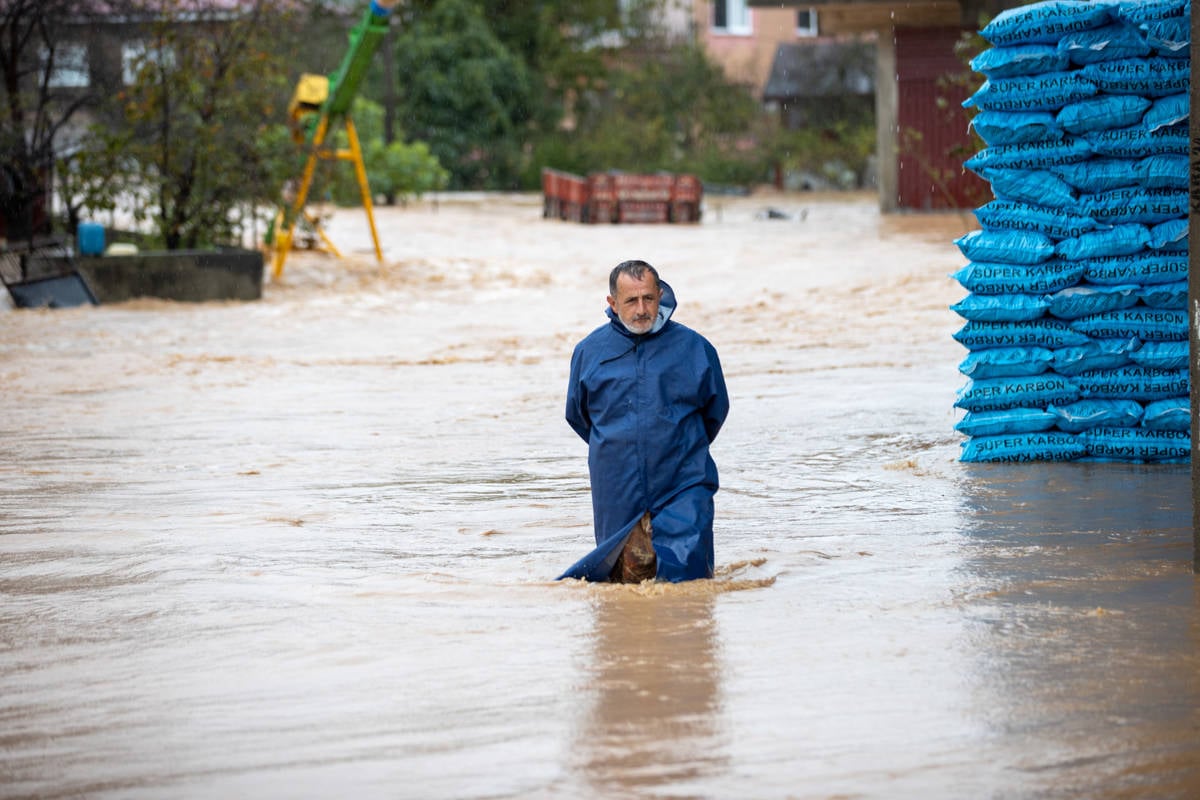
Very heavy rainfall, locally reaching severe levels, was forecast for Bursa, İstanbul, Kocaeli, Sakarya and Yalova.
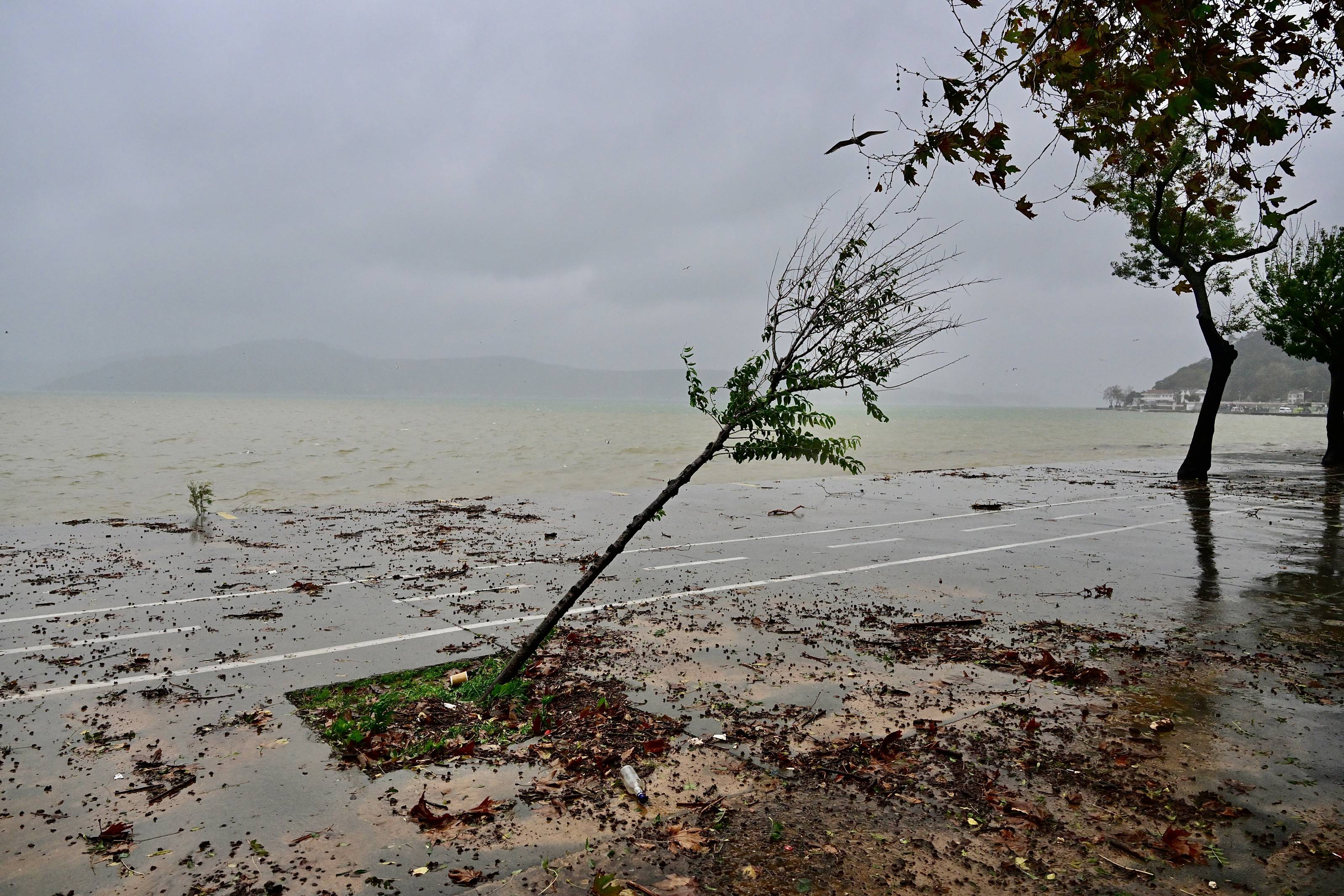
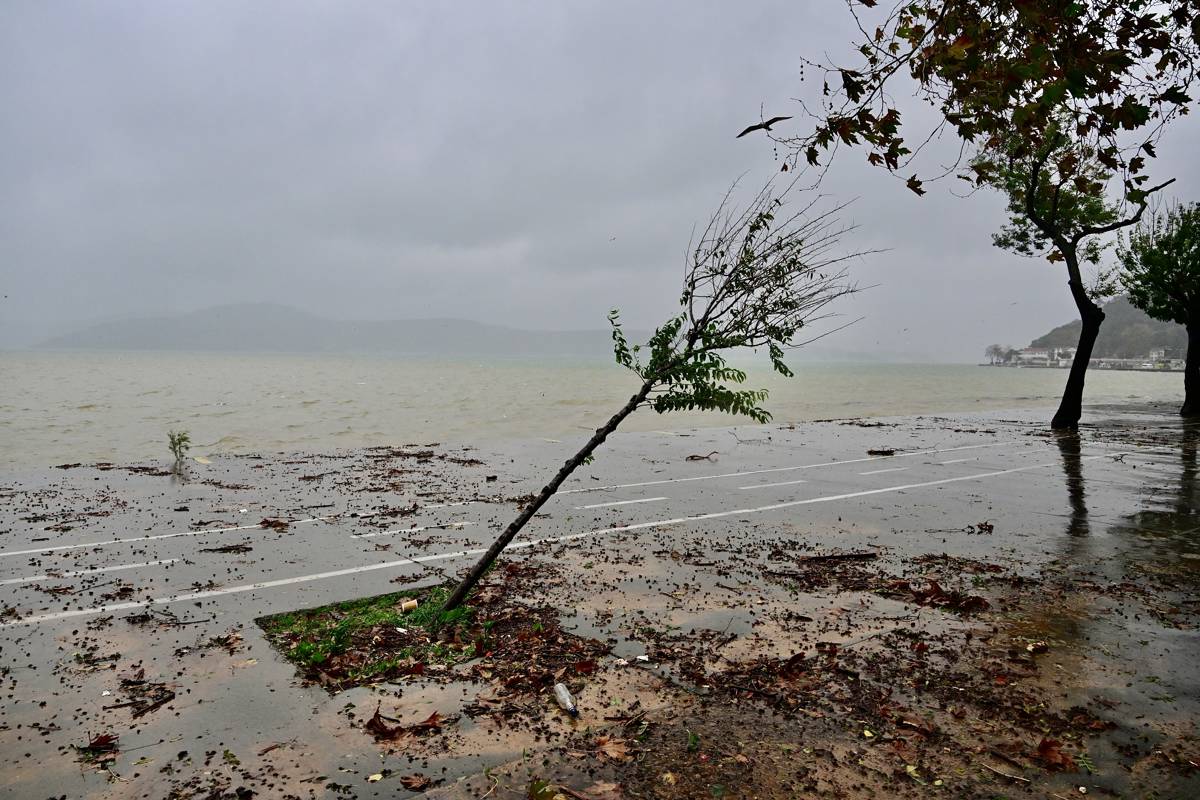
The agency also warned that winds from the north and northeast could reach speeds of 80 kilometers per hour across the Marmara region and the northern Aegean.
Thunderstorms, flash floods, further inundation and strong winds remained potential hazards across the region.
related news
Hak odaklı, çok sesli, bağımsız gazeteciliği güçlendirmek için bianet desteğinizi bekliyor.
related news