













Fatma Betül Sayan-Kaya, a deputy chair of the ruling Justice and Development Party (AKP) and former family and social policies minister, announced her resignation on Sep 26 after the opposition alleged that she and her husband made substantial gains from stock transactions shortly before an investment fund crisis erupted.
Sayan-Kaya said in a written statement that she had asked President and AKP Chair Recep Tayyip Erdoğan to relieve her of all her duties so that investigations into the allegations could proceed without being overshadowed by her political position.
“I believe that the responsibility we bear in politics is not limited to legal responsibility,” she said. “The duty we have undertaken toward our nation also requires assuming political and moral responsibility when necessary.”
Sayan-Kaya did not address the substance of the allegations.
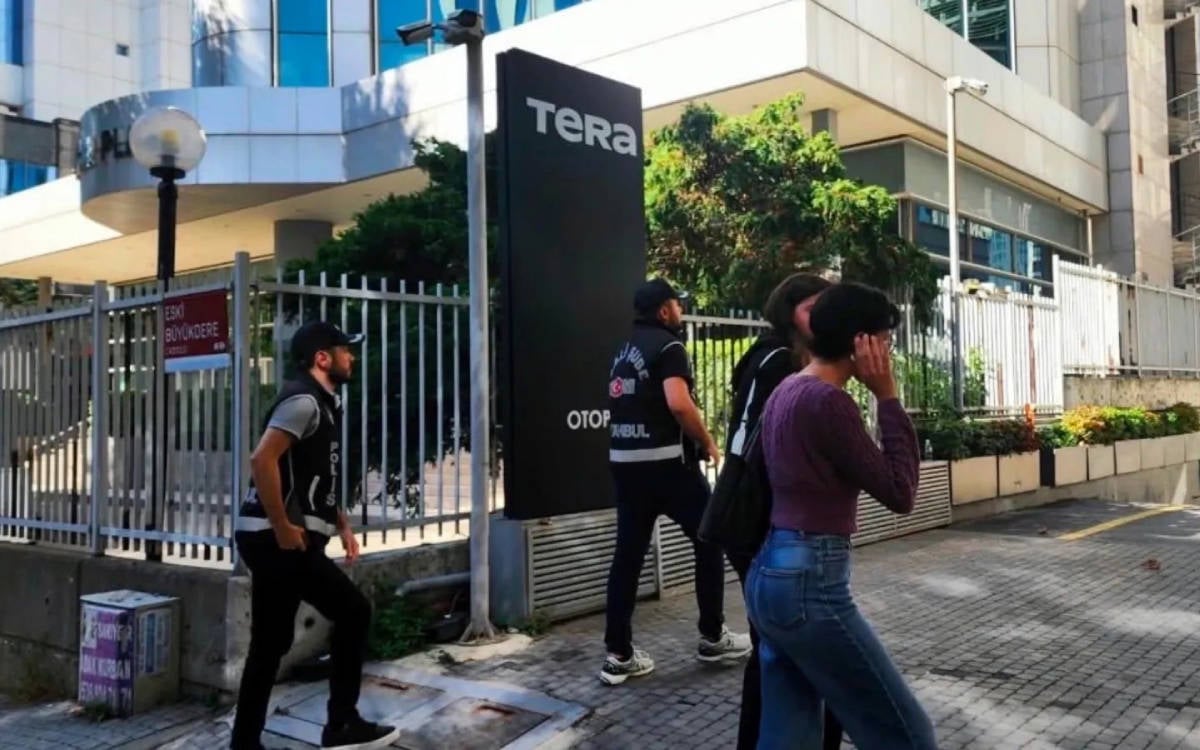
The crisis has also prompted a broad judicial investigation, with more than 50 people formally arrested and over 30 given travel bans, including company executives. Authorities have frozen assets belonging to 46 legal entities, 18 funds and 42 individuals.
No legal action has so far been taken against Sayan-Kaya.
Turkey’s investment fund crisis in 10 questions: Phantom returns and a market meltdown
Alleged massive gains
Sayan-Kaya's resignation came after Zeynel Emre, spokesperson for the main opposition New (Yeni) Party, alleged that she invested about 63 million liras (1 US dollar = ~49 Turkish liras) in shares of Özata Denizcilik in April and withdrew 1.34 billion liras in September, shortly before the crisis began on Sep 16.
Emre also alleged that Sayan-Kaya’s husband, İlyas Kaya, bought 150,000 shares in the company at 255 liras each and later sold them at 4,482 liras. He said Kaya invested about 99.7 million liras and subsequently withdrew 826 million liras.
Özata Denizcilik shares had already drawn scrutiny from the Capital Markets Board (SPK). In a Sep 25 bulletin, the regulator said it had filed criminal complaints against 11 people over transactions involving the company’s shares.
The SPK also imposed two-year trading bans related to Özata Denizcilik shares on Tera Yatırım Menkul Değerler AŞ and Tera Portföy Yönetimi AŞ. Executives of these companies are currently in detention.
Workers’ Party of Turkey (TİP) deputy Ahmet Şık questioned how Sayan-Kaya and her husband accumulated such amounts of money to invest.
“The main question is where and how the Sayan family acquired wealth large enough to use a total of 163 million liras solely for investment purposes,” Şık said yesterday.
Statement from AKP
AKP spokesperson Ömer Çelik yesterday issued a statement about the fund crisis without naming Sayan-Kaya or referring directly to her resignation.
“The fight against all kinds of wrongdoing, corruption, abuse and irregularities will be pursued without compromise,” Çelik said.
The spokesperson said the party had been closely monitoring developments on Erdoğan’s instructions and cited the president as saying, “Whoever bears responsibility will be held accountable.”
He added the problem was confined to a limited portion of the capital markets and a number of funds, and did not pose a systemic risk to Turkey’s economy.
The fund crisis
The crisis began after some investment funds that had built large positions in low-float stocks struggled to meet investors’ redemption requests. The SPK subsequently suspended trading through the Turkish Electronic Fund Trading Platform (TEFAS) for funds managed by seven portfolio management companies and ordered 131 funds liquidated.
The SPK had said that funds managed by some portfolio companies had contributed to price movements in low-float stocks that could not be explained by the companies’ economic circumstances or financial figures.
The regulator introduced tighter rules on Aug 28 covering fund concentration, related-party transactions, valuation methods and hedge fund operations.
Under Article 107 of Turkey’s Capital Markets Law, transactions intended to create false or misleading impressions about the price, price movements, supply or demand of capital market instruments can constitute market fraud.
The crisis has led authorities to order the liquidation of funds with a combined volume of about 18.3 billion US dollars. (VK)

