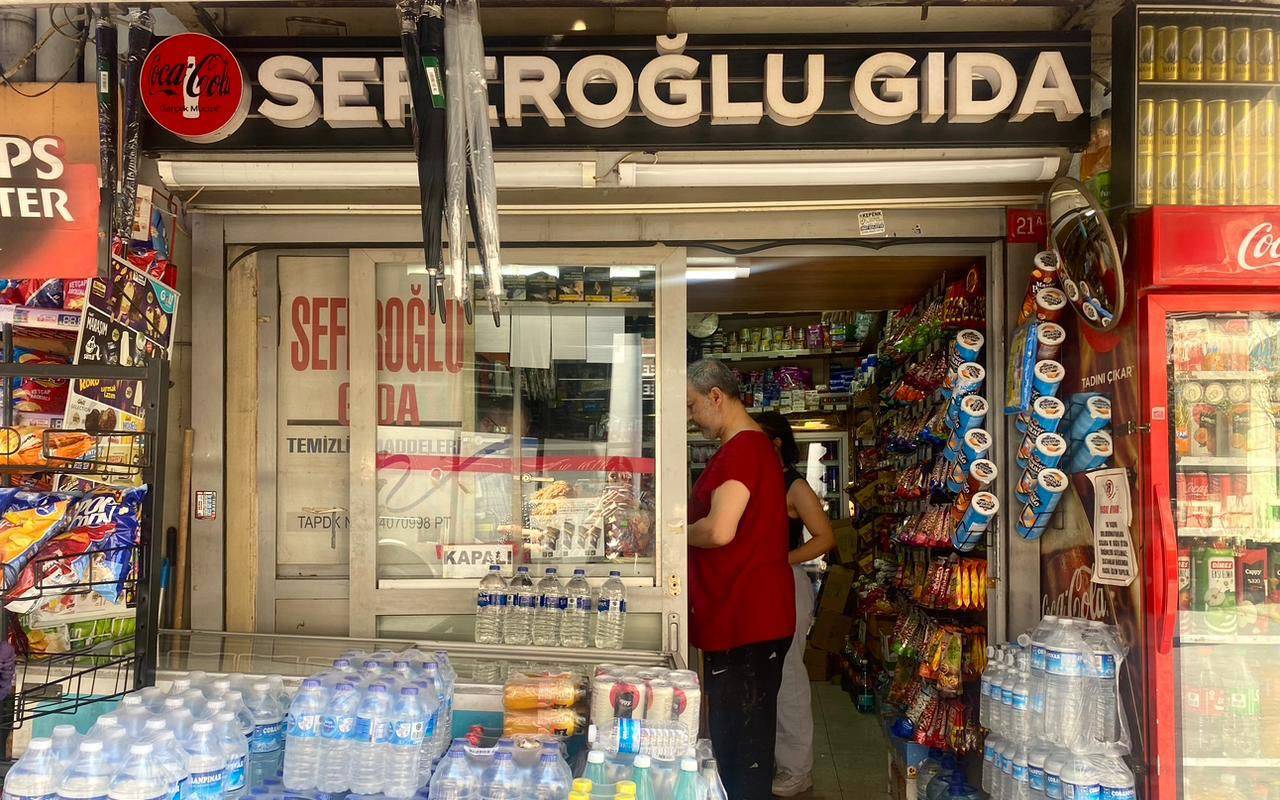

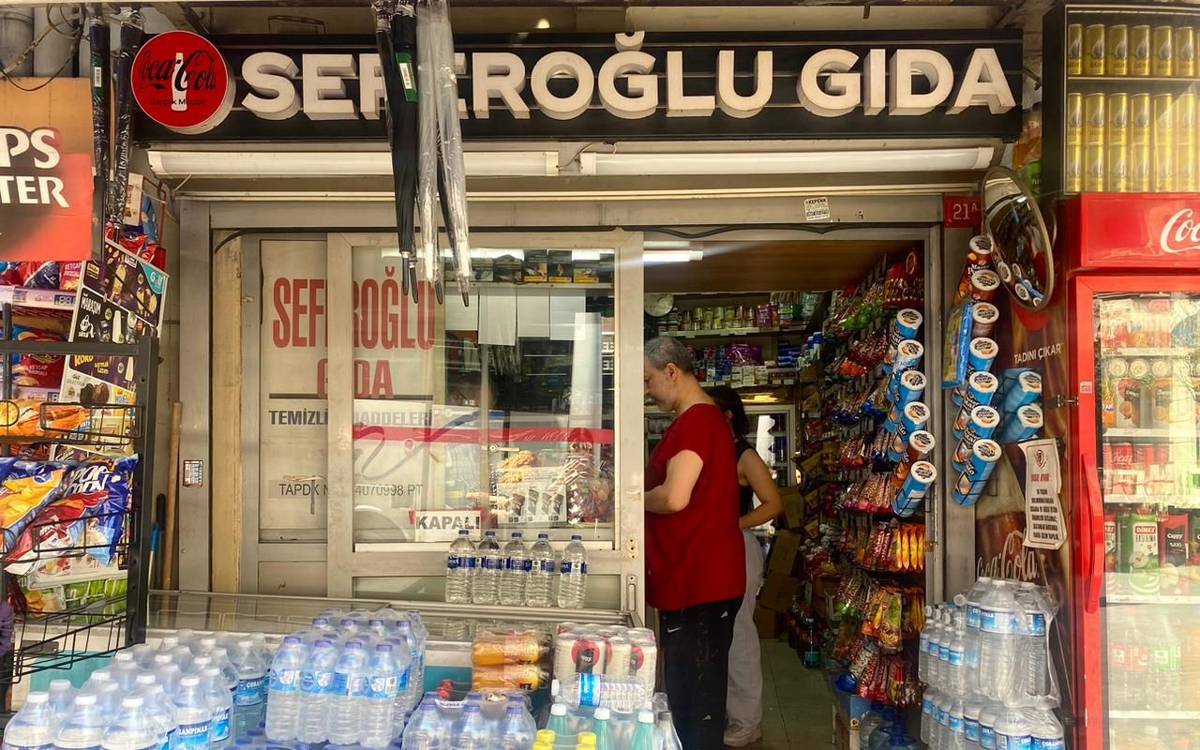



The word “bakkal” is derived from the Arabic baqqāl (بقال), meaning “greengrocer.” In the Turkish context, it refers to more than just a seller of produce. A bakkal is a small, neighborhood grocery store, typically family-run and rooted in the local community.
Nonetheless, the number of bakkals across Turkey has gradually declined over the decades, with many shutting down or being absorbed into larger retail chains. While there are no official statistics spanning decades, the number of bakkals across the country declined from around 240,000 in the mid-2000s to roughly 176,000 today, according to the Chamber of Grocers.
Bakkals have existed in some form for centuries, with their roots tracing back to the Ottoman Empire, where they were recognized as part of the gedik system, and operated at the heart of the neighborhood, often with strong community ties and veresiye, a trust-based credit system.
Small groceries still dominated the sector until the late 1990s, when signs of the rise of grocery chains began to emerge. Since then, discount retailers like BİM and ŞOK have expanded aggressively, opening thousands of stores across the country. This expansion has effectively displaced bakkals at the local level.
According to trade data, chain supermarkets and discount stores now account for over 75% of all grocery store outlets in Turkey and control 57% of the total consumable goods market, while bakkals have seen their share decline to just 33%.
‘Feeling of community’
Despite these hardships, bakkals remain an integral part of everyday life in Turkey. As one regular customer put it, they are “the places that create the feeling of community,” an idea shared by bakkals as well.
For locals, bakkals are more than just grocery stores. They are informal meeting points, spaces of daily interaction, and reminders of neighborliness.
One shopkeeper in Beyoğlu, İstanbul, whose store has served the same street for over 40 years, said that supermarkets lack this “warmth.”
“I’ve worked every single day for 22 years to ensure that warmth doesn’t disappear,” he said. “Thankfully, they like me a lot. They like me a lot because I serve a large neighborhood, do not discriminate between anyone and treat the richest and the poorest the same way.”
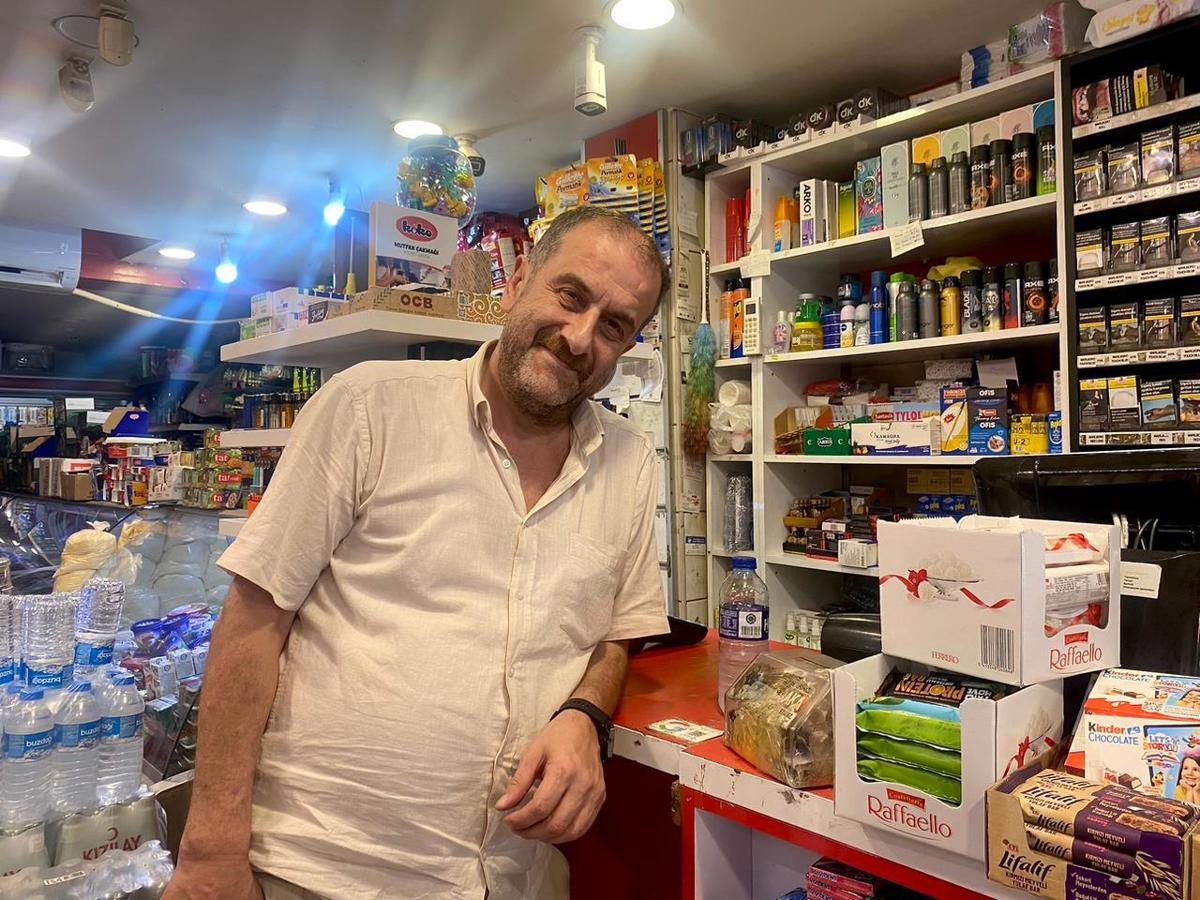
Apart from being at the center of community life, bakkals also turn to hyperlocal strategies to adapt to economic conditions. Some offer home delivery via WhatsApp, delivering items within minutes to nearby households, often faster than supermarket apps. Others rely on personalised service, extending veresiye to regulars, a level of trust that chain stores simply can’t provide.
In dense urban areas, bakkals that stay open late into the night or during holidays have carved out a niche by being available when bigger stores are closed as they are not allowed to operate after 10 pm. "Because of our working hours, supermarkets don’t affect us much," says another grocer in Beyoğlu.
"Others have mixed views about the impact of supermarkets on their businesses. 'It’s been around 10 years since we first felt their impact,' said one shopkeeper. Another described the situation as a consequence of a global economic crisis that “affects not only Turkey.”
Changing social fabric
In İstanbul, a sprawling metropolis larger than any other city in Europe, some 22,000 bakkals strive to make a living.
In such a dense and fast-paced environment, convenience and speed often take precedence over community ties, making it increasingly difficult for traditional corner shops to hold their ground.
Also, tourism adds another layer of pressure. With over 50 million visitors a year in 2024, retail demand in the central district has shifted toward modern chains and international brands, which cater to tourists looking for speed and familiarity.
“Different kinds of people have started coming in—tourists like you,” said one bakkal.
All other bakkals whom we spoke to in Beyoğlu, one of İstanbul’s most vibrant districts and a popular area for tourists and expats, say the neighborhoods themselves are changing. “Different people have started coming,” one said. “Every year, you see new faces, people you didn’t used to have.”
“It’s a very metropolitan place. Every ten years, it completely changes,” said another. “So we can say we no longer have many long-time customers. Things change quickly.”
“Every year, the faces change. Some people stay for three to five months, then leave, and new ones come in,” said another. “From the old residents of this neighborhood... I've been here for 22 years. If I count the people who’ve been here that long, there are maybe 100 of us.”
Will bakkals survive?
When asked whether bakkals will still exist in 10 or 20 years, opinions varied. “They disappear day by day,” one owner said bluntly. “Because being a bakkal is a tough job. It comes with a lot of responsibility.”
“If you run a shop, you can’t go to funerals. You can’t attend weddings. You get very little time to rest. In other words, being a bakkal means giving up your social life, it’s not a social profession,” he added, highlighting the fact that small business owners often cannot leave their shops.
Others were more hopeful. “ We will continue,” “It must go on.” And one man, whose bakkal has stood for 60 years, put it simply: “Of course they’ll survive. Bakkals never die.” (LÖ/VK)