

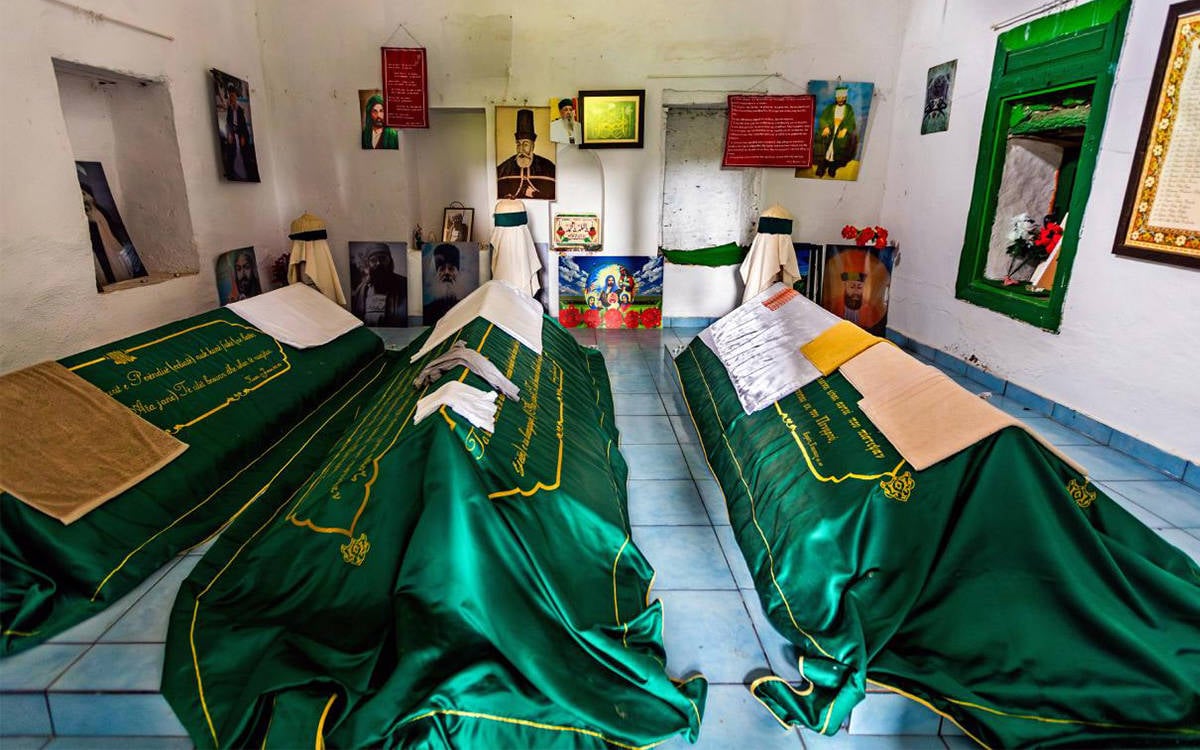



Greece has granted official religious status to the Alevi-Bektashi community in the Evros (Meriç) region, allowing the group to establish its own independent representation separate from the country’s official Muslim religious authority.
The decision follows a 2018 application submitted by the Board for the Protection of the Seyyid Ali Sultan Lodge, which represents approximately 3,500 members of the Alevi-Bektashi community living in the villages of Ruşenler, Büyük Derbent, and Küçük Derbent in the district of Sofulu.
The application was approved on Aug 1 through Article 49 of a bill passed by the Greek Ministry of Education, Religious Affairs and Sports. The law also states that the rights of the Muslim minority under the Treaty of Lausanne will remain protected.
In 2022, Greece recognized its first official cemevi, the place of worship for Alevi-Bektashis, in the village of Yukarı Derbent. The new legislation allows for the establishment of additional cemevis in other villages and grants official status to existing ones.
The law also includes provisions for education. If at least 10 Alevi-Bektashi students request it, they will have the legal right to receive separate religious instruction.
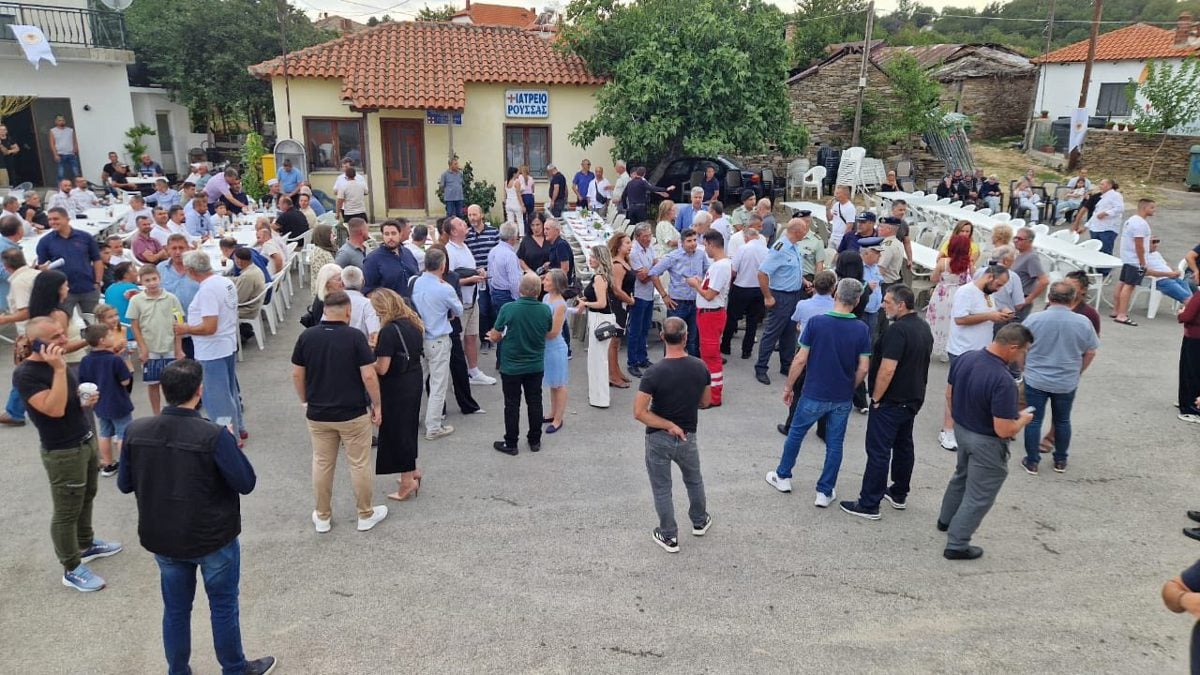
The decision was formally announced by Greece’s Minister of Education and Religious Affairs Sofia Zaharaki during the Seyyid Ali Sultan Commemoration and the Traditional Seçek Oil Wrestling Festival held from Aug 1 to 3.
“We are entering a new era,” Zaharaki said, emphasizing the significance of the recognition for the Alevi-Bektashi community.
Ahmet Karahüseyin, chair of the Seyyid Ali Sultan Lodge Protection Board, expressed gratitude to Zaharaki during the ceremony. He presented her with a teslim taşı—a symbolic stone representing Bektashism—and a commemorative plaque. (RO/VC/VK)