








Bekir Engürülü, Member of the TARSİM Board of Directors and General Manager of the Agricultural Insurance Pool Management Company, said, “We’ve identified damages worth 21 billion lira due to agricultural frost. We’ve paid out 1.11 billion of this, and the remaining 20 billion lira is still under process.”
The Parliamentary Research Commission, established to investigate the consequences of the agricultural frost in April, assess the damages suffered by producers, and determine the measures needed to minimize the impact of similar events in the future, convened yesterday (May 28).
During the meeting, Kamil Özdemir, Head of the Agricultural Insurance and Natural Disasters Department of the Ministry of Agriculture and Forestry’s General Directorate of Agricultural Reform; Bekir Engürülü, Board Member of TARSİM and General Manager of the Agricultural Insurance Pool Management Company; and Mevlüt Gümüş, Deputy Chair of the Technical Services Board of the Union of Chambers of Agriculture, made presentations to the members of parliament.
The head of the commission, Adem Korkmaz from the ruling AKP, stated that they would conduct field inspections this weekend in Malatya, Adıyaman, Maraş, Adana, Mersin, Niğde, and Kayseri. He noted that a preliminary report based on observations would be prepared following these site visits.
Kamil Özdemir explained that after the frost event, the ministry and TARSİM teams developed a schedule for damage assessment efforts, which has been running smoothly. He said district offices would complete their parcel-based assessments by the end of this month.
Özdemir added that expert teams were also working in the field to prevent yield losses in trees and to inform producers. Based on the results of damage assessments from provincial and district offices, efforts are ongoing to compensate producers for their losses.
Grapes most affected
Bekir Engürülü reported that they had visited the affected provinces and completed preliminary assessments for 108,000 notifications they received.
Engürülü stated:
“Frost damage totaled 21 billion lira, covering February and March. We’ve paid 1.11 billion lira, with 20 billion still in process. Payments will continue as assessments finalize. Grapes were the hardest-hit crop, but figures are preliminary. Final data will come once assessments are complete.”
Breakdown by crop:
- Grapes: 11 billion lira
- Apricots: 3 billion
- Hazelnuts: 2.7 billion
- Apples: 2.1 billion
- Nectarines: 913 million
- Peaches: 552 million
Top provinces for payouts (preliminary): Manisa, Malatya, Ordu, Giresun, Mersin, Konya, Niğde, Karaman, Düzce, Kayseri, Adana.
Responding to criticism of high TARSİM premiums, Engürülü argued that farmers only insure high-risk areas, disrupting the balance between claims and premiums. “For apricots, 81 out of 100 policies result in claims annually. This skews pricing,” he explained, calling selective coverage TARSİM’s biggest challenge.
Mevlüt Gümüş (Union of Chambers of Agriculture) noted severe frost damage in Black Sea hazelnut areas (400 m+ elevation) and Çukurova’s apricot farms.
According to TARSİM data, the hardest-hit provinces were:
- Manisa: 10.97 billion lira in damages
- Malatya: 2.84 billion lira
- Ordu: 1.36 billion lira
- Giresun: 832 million lira
- Mersin: 783 million lira
What is agricultural frost?
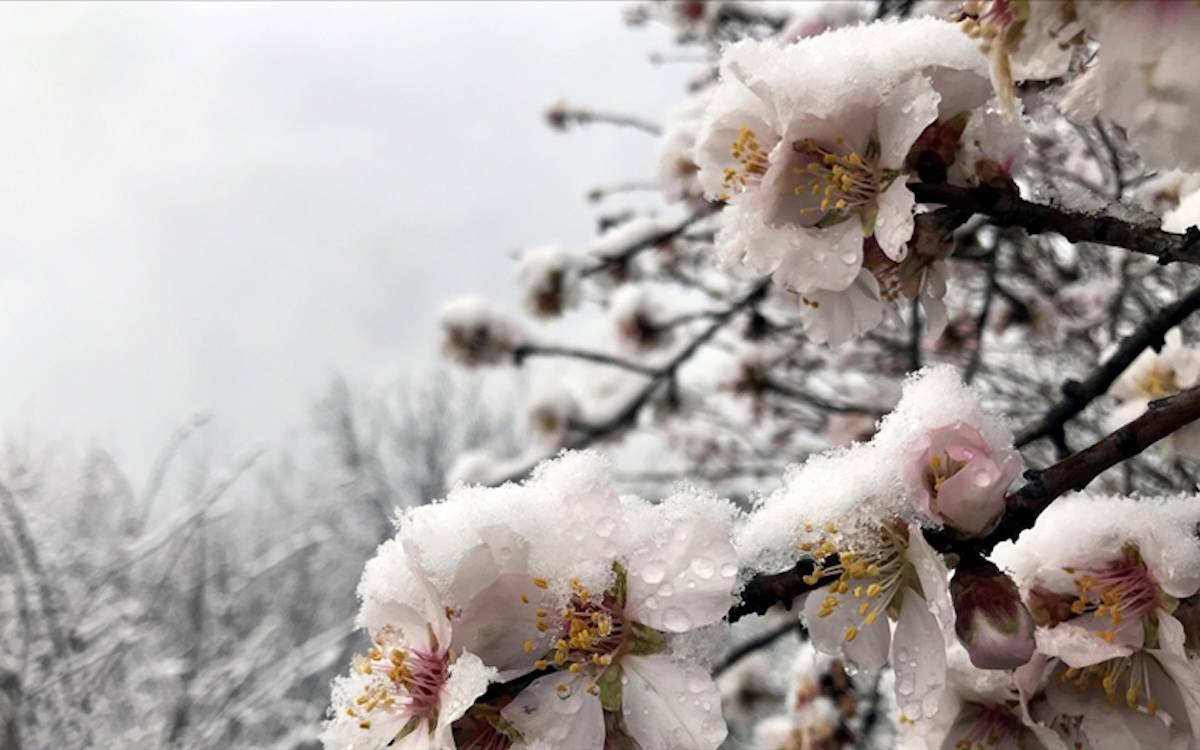
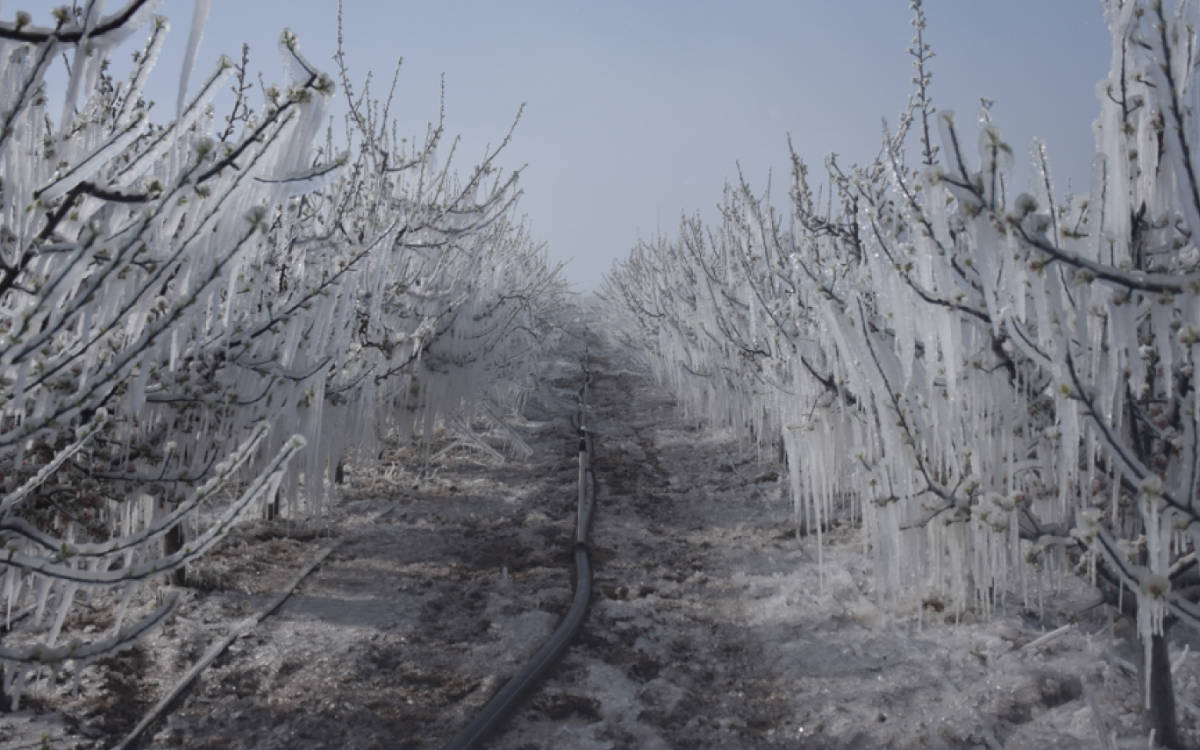
Agricultural frost is a severe natural event that threatens agricultural production, occurring when temperatures drop below or near 0°C. As one of the greatest risks in crop production, frost is especially damaging in spring, when it can seriously harm fruits, vegetables, and young shoots. For this reason, the ability to predict frost in advance is crucial for producers. Otherwise, an entire year’s worth of effort can be largely wasted.
With the effects of the climate crisis, increasing temperature fluctuations make it more difficult to predict the timing and severity of frost events, thereby raising the risks to agricultural production with each passing year.
(HA/VC)