


A scientific article published in July in the journal npj natural hazards by scientists from İstanbul Technical University, entitled “Surrendering to flames: The human factor influencing mega-fires in Turkey's Mediterranean region,” draws attention to the fact that the increase in the intersection of wildlife and human settlements increases the number, severity, and impact area of fires. According to the study, which concerns all Mediterranean climate regions, human-caused fires affect a much larger area than natural fires.
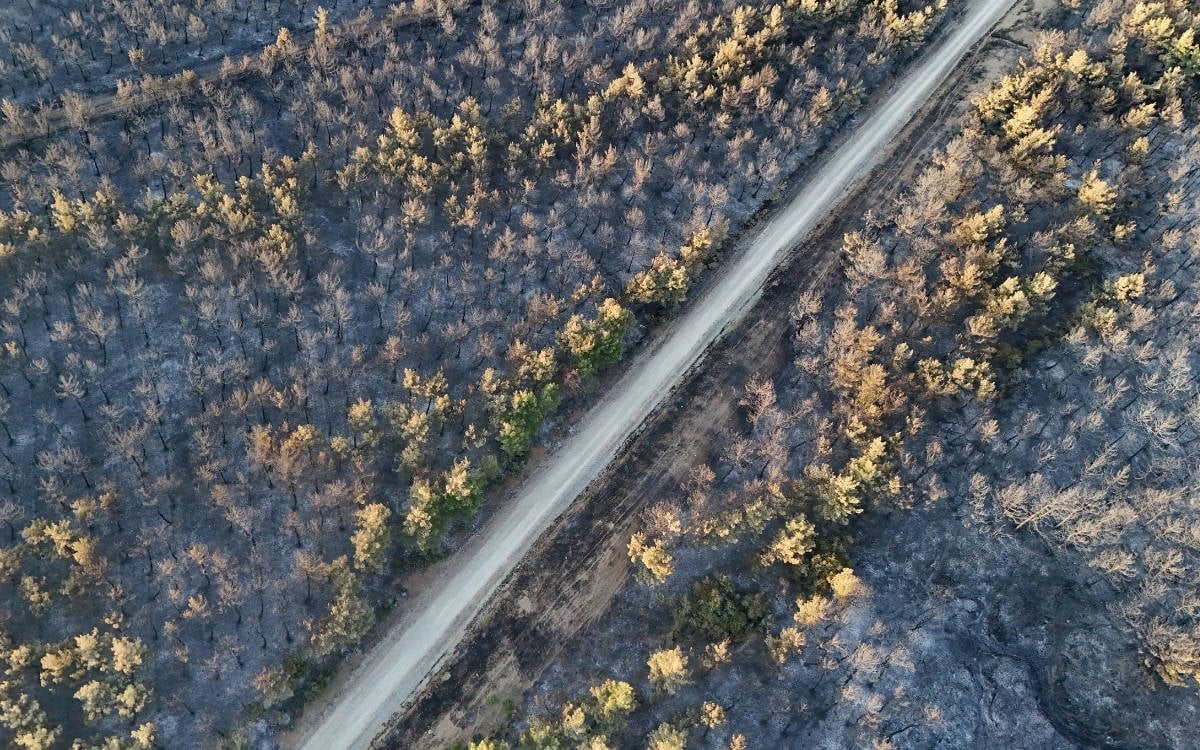
Focusing on the Great Manavgat Fire that occurred between July and August 2021, the study evaluates the meteorological events that occurred during the 11 days of the fire from a climate change perspective, highlighting the importance of the human factor in fires. Simulations conducted on the forested area where the Manavgat fire occurred in 2021, based solely on meteorological parameters and vegetation cover, indicate that in a scenario without human influence, four times less forested area would have burned. The simulation results show that in areas defined as scrubland/open forestland in the model but used as agricultural land, there were virtually no fires in 2021.
The summer of 2021 was a harbinger of summers to come
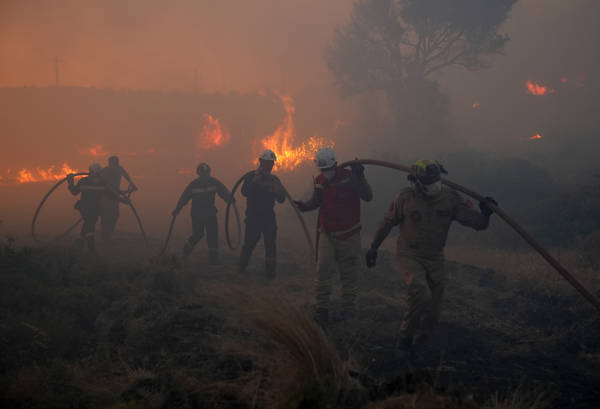
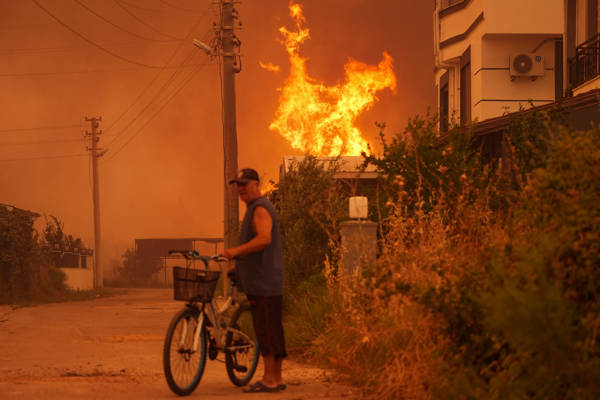
The summer of 2021 went down in history as a period when Turkey and all of Southern Europe were ravaged by fires. In Turkey, fires broke out simultaneously in many different locations, particularly in Adana, Muğla, and İzmir, where the Mediterranean climate prevails. The number, size, and distance between the fires made timely and effective intervention difficult. The summer of 2021 was also a period when scientists monitoring climate change and ecosystem destruction realized that we had entered a process with different dynamics than in the past. The 2021 fire season was a harbinger of years to come.
When global annual burned areas are examined year by year, no radical increase or decrease in the trend is observed. However, when broken down into components, two factors stand out: In global burned area data, there is an upward trend in forest fires compared to scrub, grassland, or agricultural fires. In addition, it is not the number of fires that differs, but the size of the burned areas. Fires are now affecting larger areas than in the past. This indicates that we have entered the era of mega-fires.
Mega-fires
One of the most important characteristics of mega-fires today is that they occur along the wildlife-human settlement axis and threaten not only natural ecosystems but also living spaces and critical structures. For example, the Oymapınar Dam, which stores agricultural irrigation and domestic water for Antalya, was located in the middle of the Manavgat Fire area. During the fire, the rivers feeding the dam were exposed to ash and burnt debris, and the rescue operations conducted after the fire further increased the threat of erosion on the forest ground. All these factors contributed to the deterioration of water quality in the Oymapınar Dam and could potentially affect the dam's lifespan.
What does 'mega-fire' mean?
“Mega-fire” is a technical term used for fires that have burned areas of 40,000 hectares or more. It refers solely to the size of the burned area, regardless of the type of ecosystem in which it occurred or its socio-economic impact. For example, the fires in Çeşme (İzmir) at the beginning of July covered approximately 26,000 hectares. This comparison clearly shows why the Manavgat Fire is such an important case.
Each phase of the Manavgat Fire (the fires in Manavgat on July 28, Saraçlar on July 29, Gündoğdu on August 1, and Taşağıl on August 2) could serve as an example in terms of both prevention of and respose to the fires we witnessed this summer in Bilecik, Çeşme, and Tekirdağ.
Rainfall and ambient humidity weaken the impact of natural fires
In Turkey and many other parts of the world with a Mediterranean climate, nearly 90% of fires are caused by humans. The Great Manavgat Fire is a good example of this in Turkey. The Palisades and Eaton fires that broke out in different locations in California, United States, in January also grew rapidly, were difficult to control, and threatened human settlements and lives, just like the Manavgat Fire, due to suitable meteorological conditions.
Wildfires that erupt naturally usually start due to lightning strikes. However, lightning-caused fires generally affect a smaller area due to rainfall or ambient humidity. In human-caused fires, this is not the case, so they can quickly affect larger areas. So, what measures can be taken in this situation?
Banning access to forests is not enough
During the Great Manavgat Fire, all fires that broke out for unknown reasons or were deliberately set began as a result of people reaching the inner parts of the forest. Even without direct intent, a cigarette butt thrown out of a window, or even a hot vehicle engine parked on dry grass, can cause the initial spark that starts a fire. While banning access to forests or implementing awareness-raising programs may seem like effective short-term measures during such periods, unfortunately, they are not sustainable in the long run.
Sustainable and effective methods begin by focusing on the wildlife-human settlements axis. It is necessary to transition to a model where people living in these areas take primary responsibility for preventing fires. For example, strengthening the concept of “forest villagers,” which has provided great benefits in Turkey in the past, with the support of current technology and scientific findings is of great importance. At the same time, strengthening local memory, preventing information loss, and encouraging people to protect their areas are of critical importance.
This article, prepared by Dr. Bikem Ekberzade, has been published in shortened form in collaboration with İklim Masası (Climate Desk) and bianet.
İklim Masası is a news service aimed at disseminating reliable information about the climate crisis to the public. Its writers are scientists with expertise in the topics they cover.
(TY)