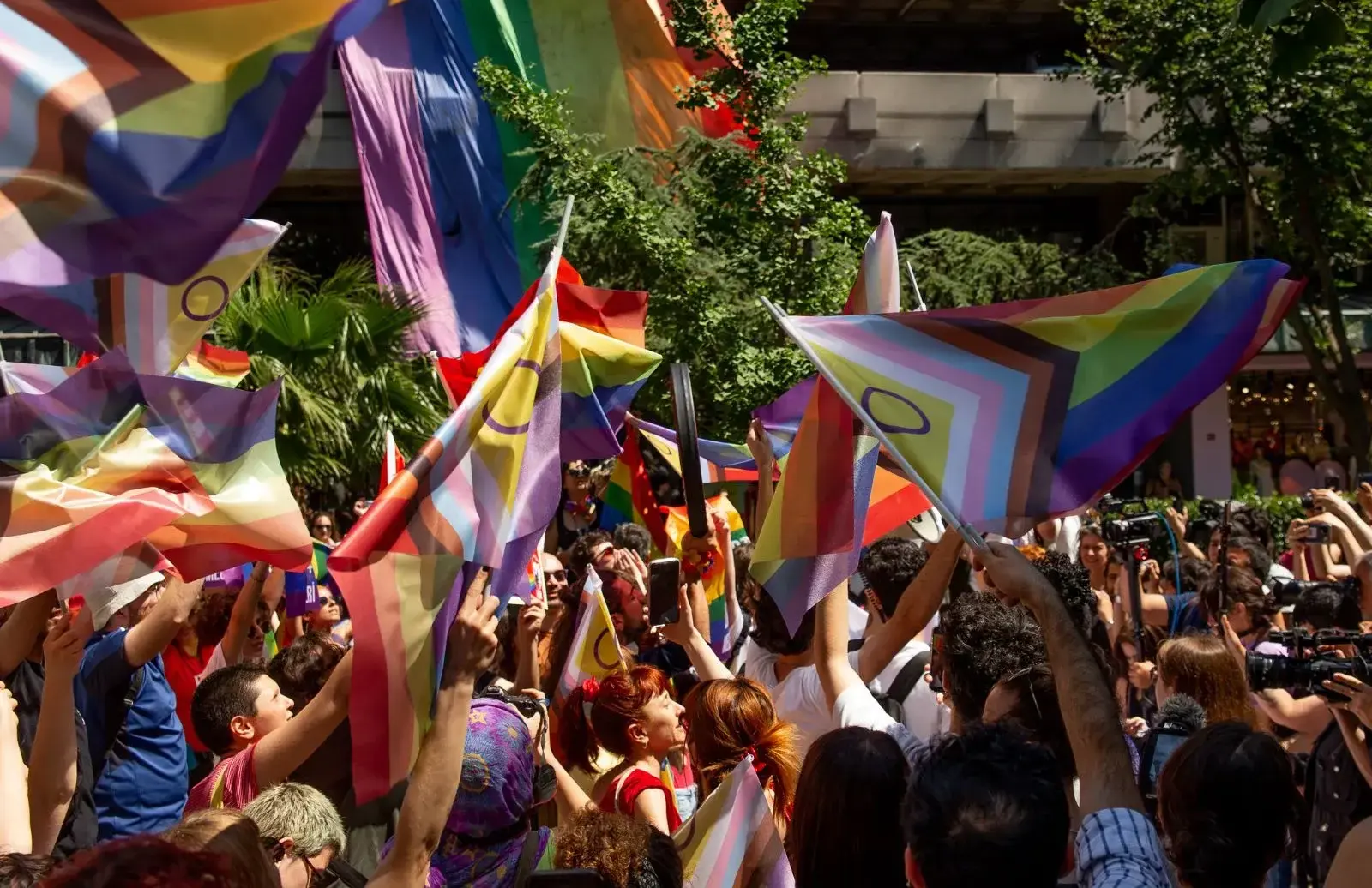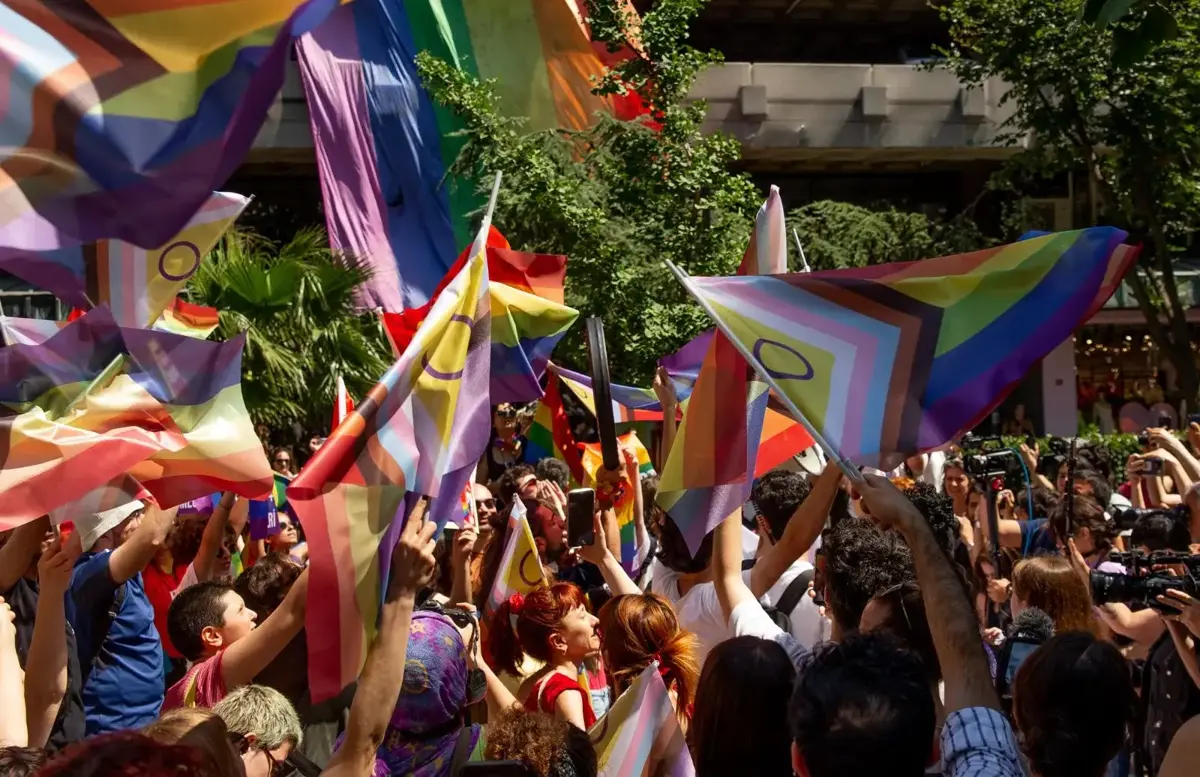



Authorities launched a sweeping crackdown on LGBTI+ communities on Sep 12, dubbed as the "My Family Is Safe" operations. Eighty-two people including LGBTI+ rights advocates have been placed in pretrial detention and hundreds of websites and social media accounts have been blocked as part of the operations.
While authorities link the investigations to government policies on family, rights groups say the they criminalize lawful advocacy, LGBTI+ visibility and private relationships.
The operations and their scope
The campaign began with online restrictions on Sep 12, followed by overnight and early-morning raids on Sep 13 spanning 15 provinces.
Police targeted homes, association offices and venues frequented by queer people. İstanbul, Ankara, İzmir and Mersin were among the provinces prominently affected.
Proceedings were launched against 162 people nationwide, as well as nine associations and 13 businesses. By Sep 17, at least 116 people had been taken into custody. Among them, 82 were placed in pretrial detention, with over 40 of them rights defenders and activists.
The affected organizations inclued the Kaos GL Association, Hevi LGBTI+, Pozitif-iz, SPoD, Lambdaistanbul, Muamma and Mersin 7 Colors. All members of Kaos GL's board of directors and supervisory board are currently in pretrial detention.
Kaos GL is Turkey's longest-standing queer rights organization and also runs a news outlet, whose website and social media accounts were already banned when the operations began.
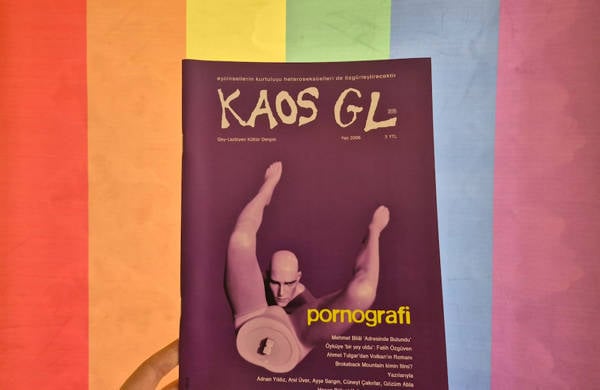
From ‘public morality’ to ‘My Family Is Safe’: 20 years of repression against Kaos GL

Detained queer rights advocate sends message from prison: ‘This is a badge of honor’
What authorities allege
The investigations involve allegations of obscenity, prostitution-related offenses, forming an organization to commit crimes, drug offenses and violations of the Associations Law.
Justice Minister Akın Gürlek linked the operations to the government’s 2026–2035 Decade of Family and Population and Presidential Circular No. 2026/4.
Authorities have presented the campaign as an effort to protect children, families and public order. Claims that organizations were influencing children’s sexual orientation or gender identity also appeared in the investigations, along with scrutiny of international funding.
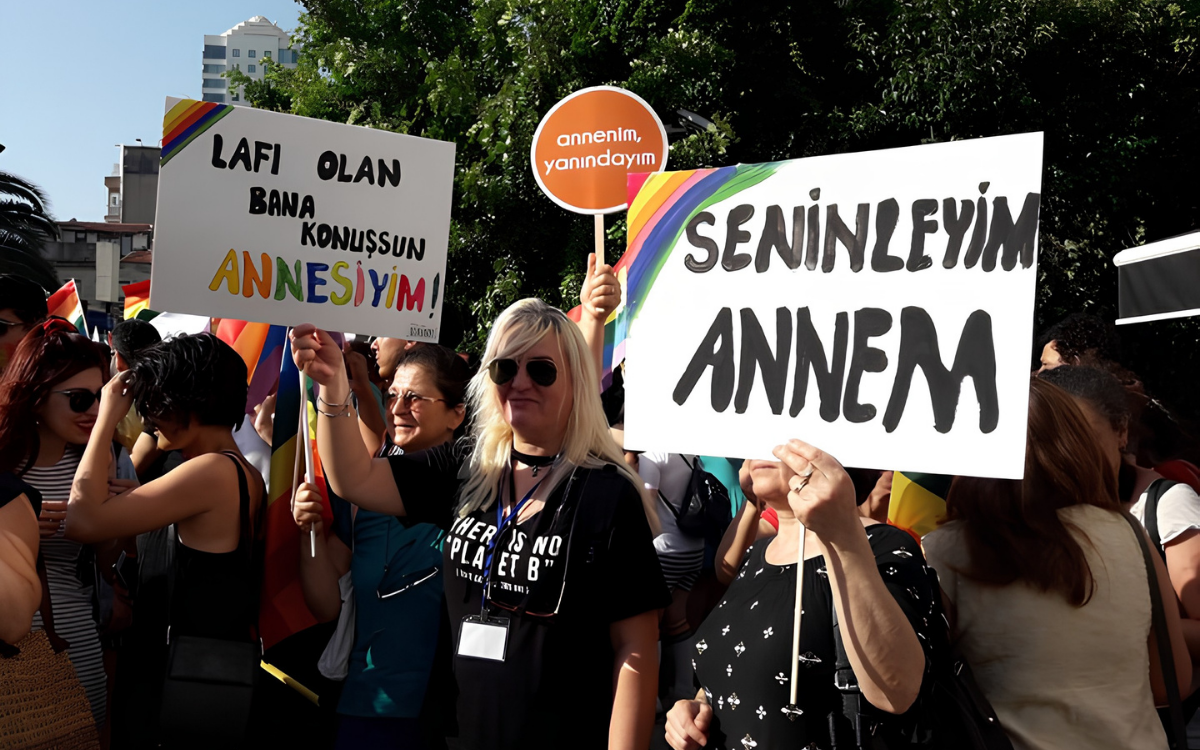
Families of LGBTI+s reject ‘family safety’ framing of crackdown on queer community
The campaign later gained a nationwide administrative framework. A Justice Ministry circular sent to prosecutors in all 81 provinces instructed them to take action against suspected activities encouraging children and young people toward "genderlessness."
The circular instructed prosecutors to secure digital evidence, seek online restrictions where deemed necessary and use organized-crime methods and financial investigations under certain circumstances.
It also called for coordination with ministries, cybersecurity authorities and law enforcement.
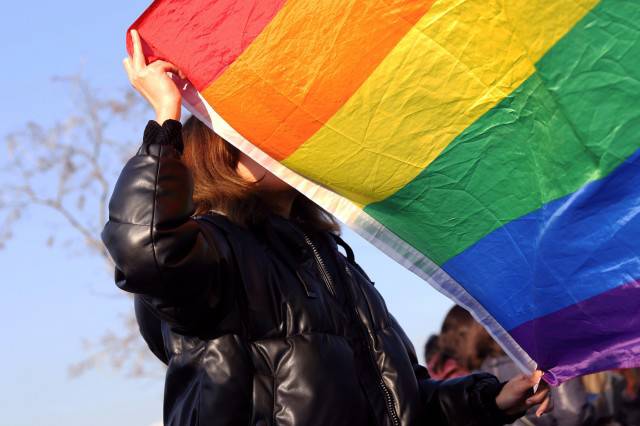
Over 80 formally arrested in anti-LGBTI+ crackdown as ministry orders action over ‘desexualization’
Use of ‘obscenity’
Provisions banning "obscenity" in the Turkish Penal Code was at the center of the investigation against LGBTI+ rights advocates, with many of the detainees facing this allegation. While the offense historically applied to pronographic content, it is now used to characterize LGBTI+ advocacy.
Prosecutors alleged that material published on the Kaos GL website and social media accounts was "obscene." Evidence cited by the court included news articles and images, among them scenes showing two female characters kissing in the “Agatha All Along” series and two male football players kissing.
The law prohibits distribution of and exposing children to "obscene" content but lacks a clear definition of obscenity.
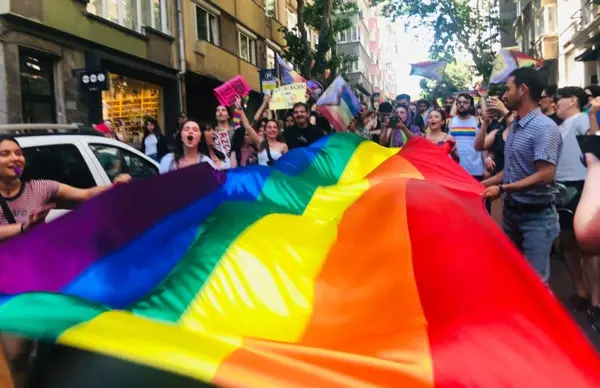
How Turkey’s vague obscenity law is becoming a tool to criminalize LGBTI+ visibility
Private communications used as evidence
The operations in İzmir also raised concerns about privacy and the collection of evidence.
Lawyers said police obtained detainees’ phone passwords without a court order, searched their devices and added private messages and photographs to case files as evidence of obscenity.
Sixteen people were jailed in İzmir on Sep 14 on obscenity- and prostitution-related allegations.
Lawyers also noted that the investigation began with social media monitoring through “online patrols,” a practice that had previously been found unlawful by the Constitutional Court.
Lawyer says private messages cited as 'obscenity' evidence against detained LGBTI+s
Online censorship and the extension to journalism
The initial access-blocking order targeted platforms belonging to numerous organizations and activists.
A later İstanbul Bar Association tally listed 11 association websites, 32 X accounts and 419 social media accounts as blocked. Requests had also been submitted concerning another 107 accounts.
Journalist Tuğba Tekerek was detained and was subsequently remanded in custody over a 2024 article published by Kaos GL. She was accused of being a responsible for managing Kaos GL's social media accounts questioned over an obscenity allegation.
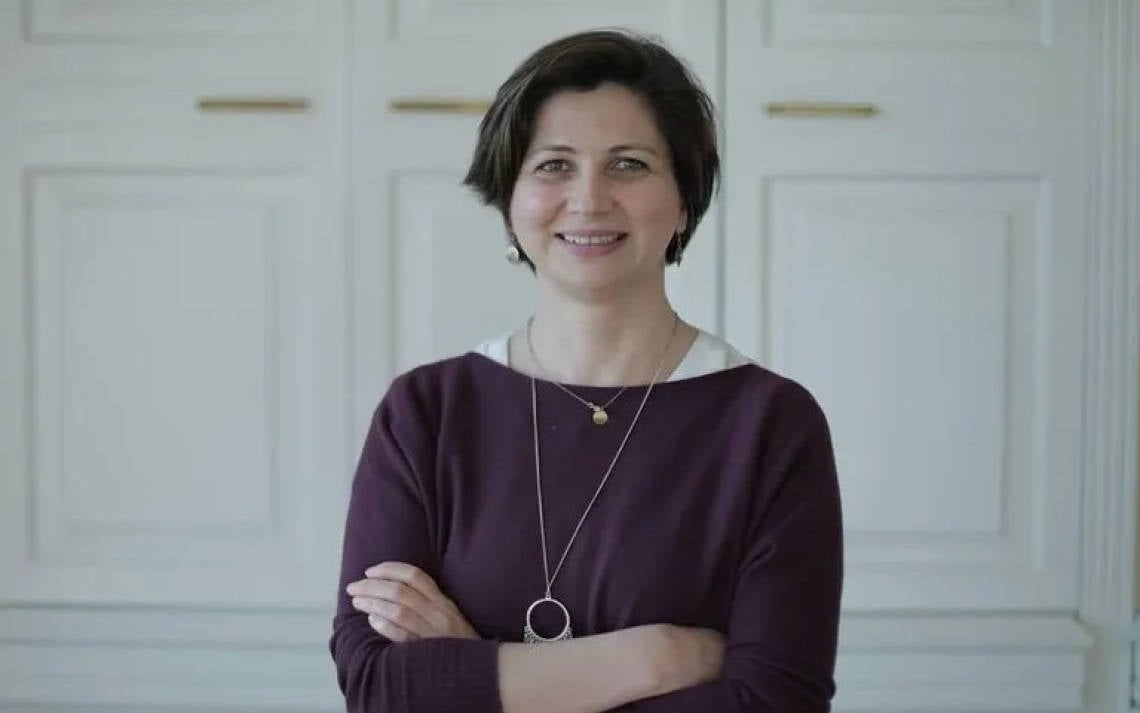
Journalist Tuğba Tekerek detained over interview with Georgian LGBTI+ activist
The campaign extended to independent news outlet T24 on Sep 30.
An İstanbul court ordered the outlet’s website and social media accounts blocked. It also ordered the removal of 118 columns, describing them as “LGBTI+ propaganda.”
The website became inaccessible within hours. T24’s X account remained accessible when the decision was reported. The outlet urged readers to use its mobile application to evade censorship.
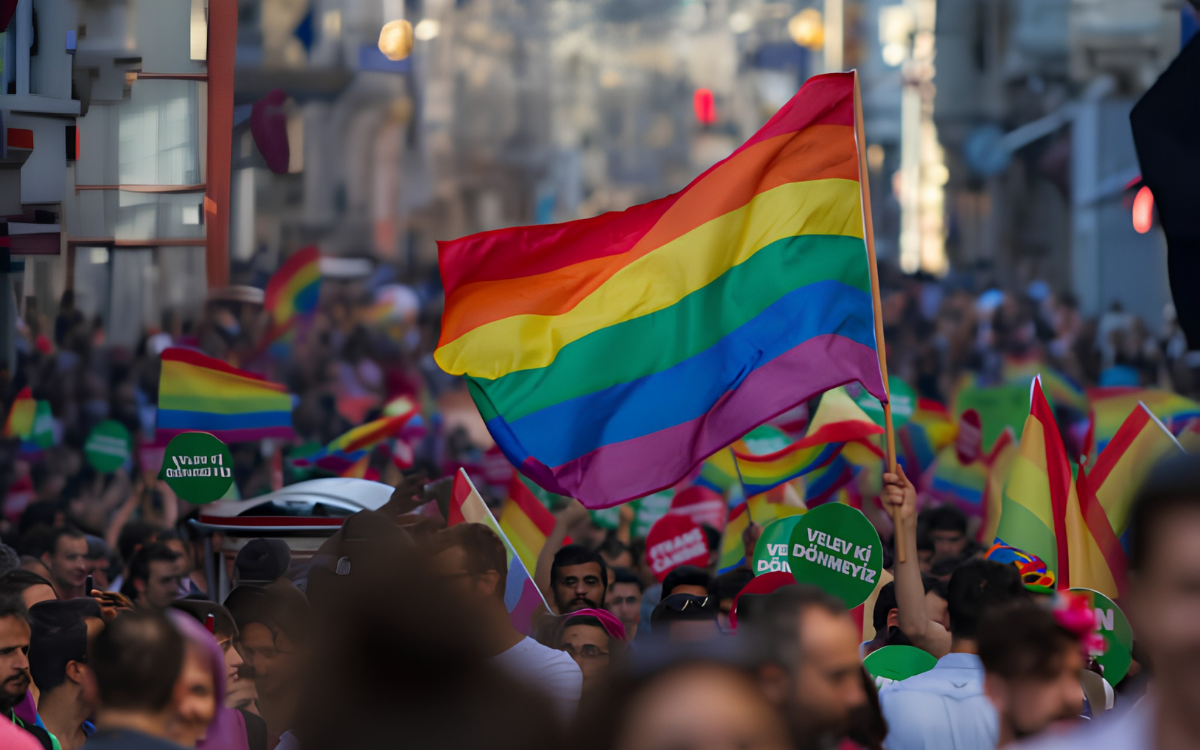
Turkey blocks independent news site T24 over 'LGBTI+ propaganda'
Allegations of ill-treatment
Jailed people have reported various forms of ill-treatment and violations. In Mersin, detainees reported overcorwding, lack of access to hormone medications and basic necessities including long-sleeved clothing.
Lawyers visiting the Mersin prison reported that they were not allowed to deliver necessities to detainees because they lacked power of attorney, even though no such authorization was required.
Eighteen LGBTI+ detainees are being held in a prison designed for eight people, with some sleeping on the floor, lawyers noted.
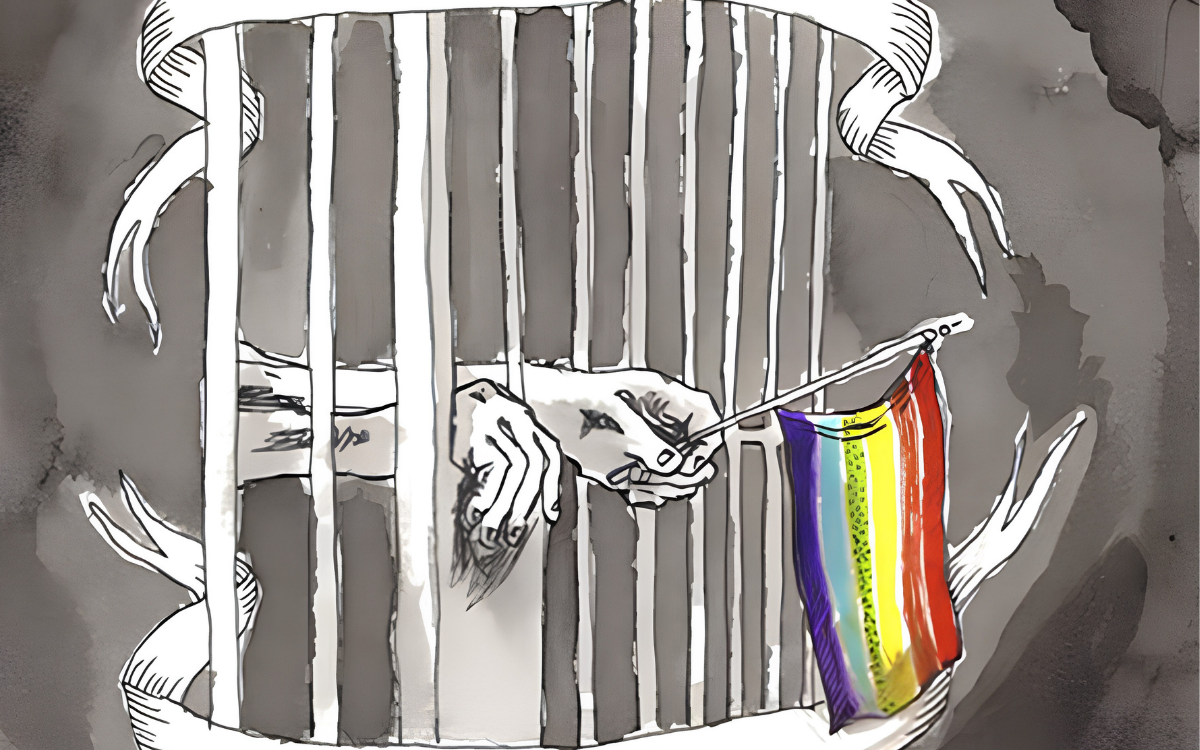
LGBTI+ detainees in Mersin prison report difficulties in accessing clothing, medication
Ill-treament was also reported during a demonstration against the operations. LGBTI+ activists, feminists, leftist groups and union members gathered outside İstanbul’s Çağlayan Courthouse on Sep 15 to protest the arrests.
Police surrounded the crowd and ordered people to disperse without providing a route out of the police cordon.
Journalists covering the protest were also detained.
Violations continued after the detention according to lawyers, with detainees being forced to go through medical examinations in the presence of police officers.
Police also attempted to force detainees to exclude torture allegations from their statements, according to lawyers.
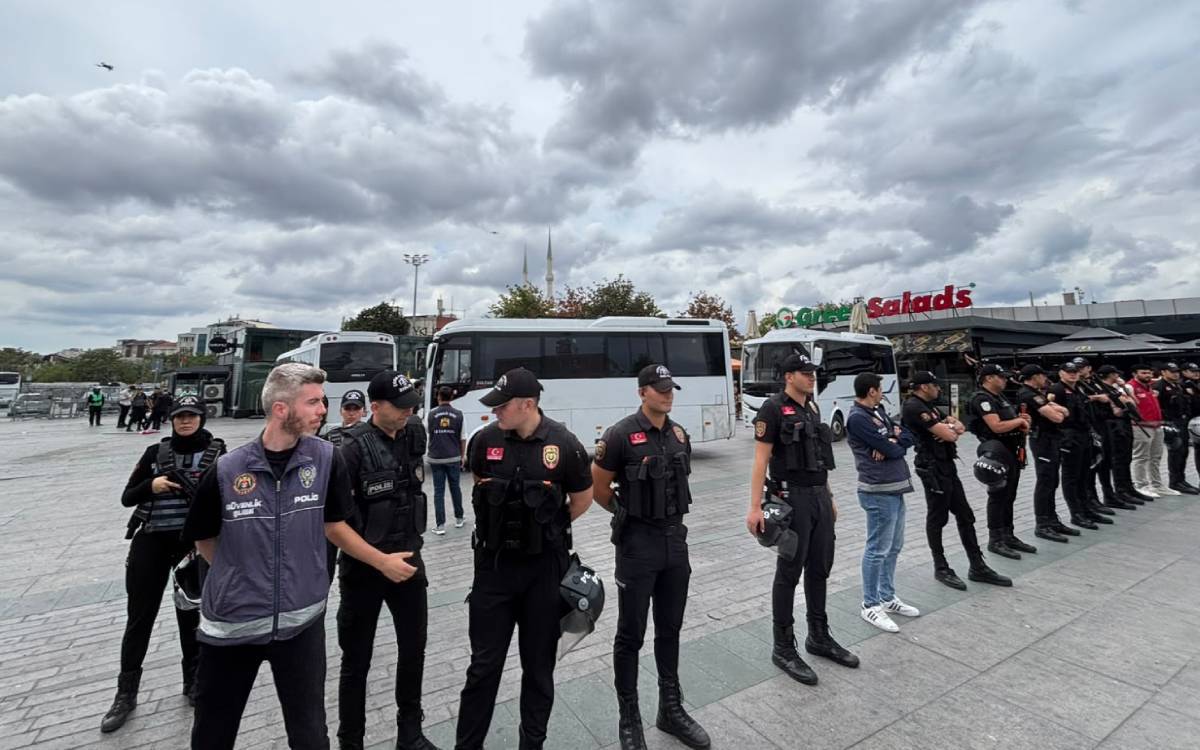
Anti-LGBTI+ crackdown: Detention extended for 109 protesters amid ill-treatment allegations
Health concerns
Restrictions also affected medical organizations and groups supporting people living with HIV.
The Turkish Medical Association condemned measures targeting the Sexual Education, Treatment and Research Association (CETAD), and the Psychiatric Association of Turkey.
As of Sep 21, CETAD’s X account had been withheld in Turkey, while the psychiatric association’s account remained accessible.
The medical association said restricting these organizations could obstruct access to reliable information, HIV testing, counseling and treatment, particularly for people already facing stigma.
It said the restrictions conflicted with the Health Ministry’s HIV/AIDS control program.
The Psychiatric Association of Turkey similarly warned that restricting scientific information could discourage people from seeking healthcare.
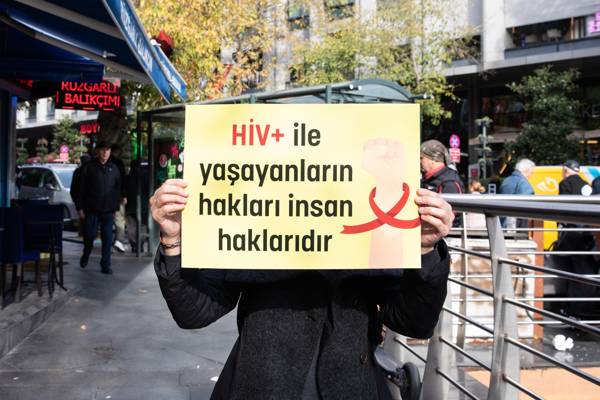
Turkish Medical Association condemns targeting of health groups in anti-LGBTI+ operations
Responses and testimony from prison
Nedime Erdoğan, a Kaos GL board member and founder of the Rainbow Families Association, described her work from Sincan Women’s Closed Prison as helping families understand and support their LGBTI+ children.
She emphasized family relationships built through solidarity, love and support, including chosen families.
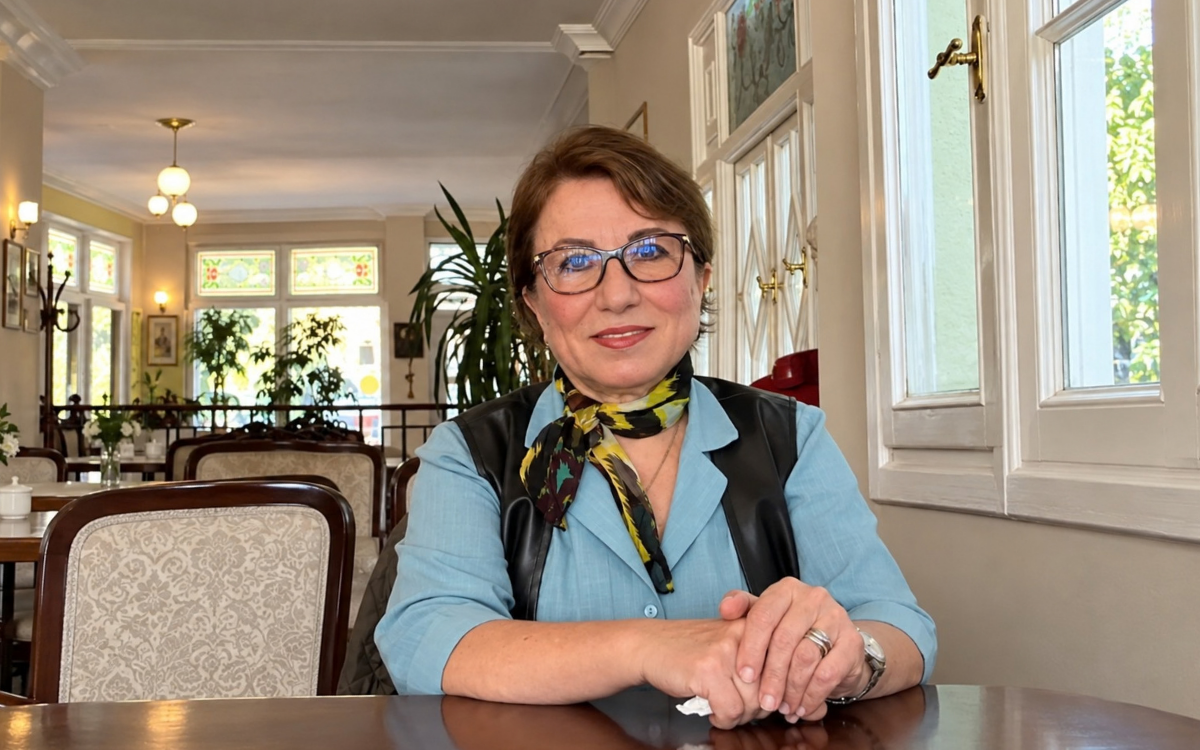
Jailed parent activist for LGBTI+ rights: Family is not built on blood ties alone
Selin Berghan, a sociologist and Kaos GL supervisory board member with experience in children’s rights, rejected claims that LGBTI+ advocacy harms children.
She linked the movement’s focus on children’s rights to members’ own experiences of violence, fear and isolation during childhood.
Berghan also described visits from lawyers, demonstrations, letters and support for detainees’ relatives as sources of strength during imprisonment.
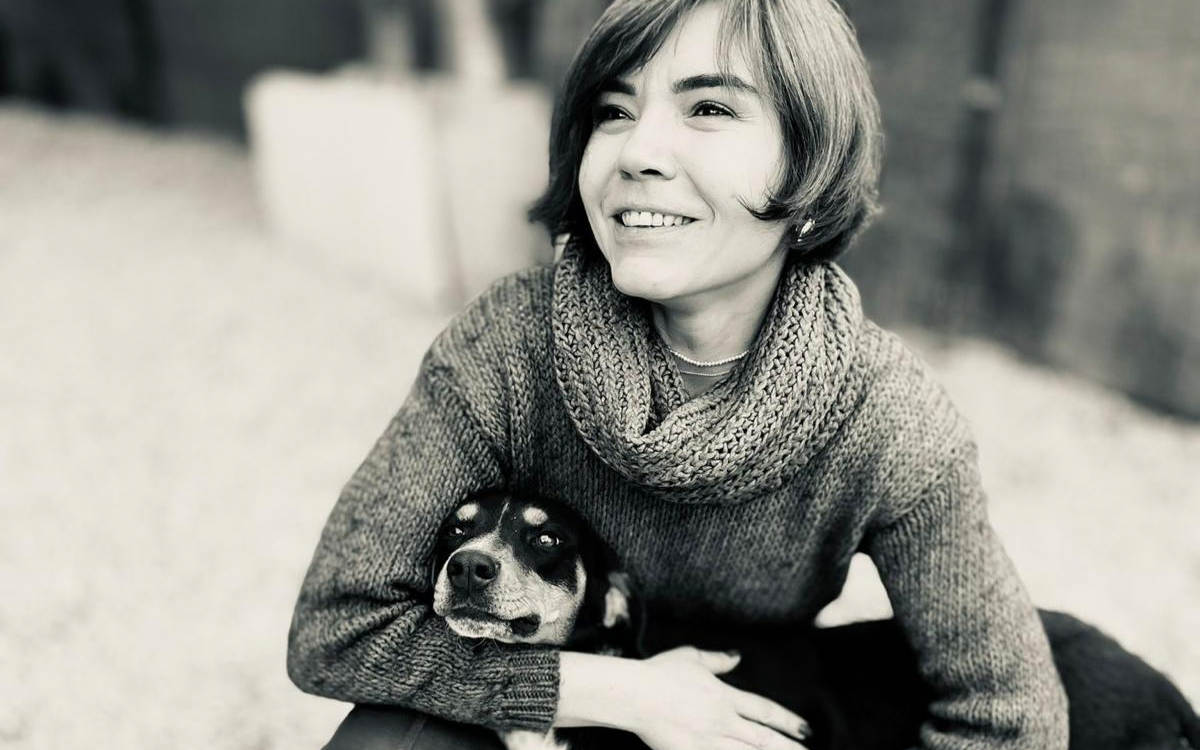
Jailed LGBTI+ rights advocate Selin Berghan: ‘The LGBTI+ movement understands children’s rights the best’
Janset Kalan, a Kaos GL board member and trans rights defender held at Sincan Prison, also described the conditions faced by LGBTI+ prisoners. She said many trans and gay prisoners lacked lawyers, visitors, contact with their families and even money for basic necessities from the prison canteen.
Kalan said the prison system was built around male-dominated assumptions that failed to account for the needs and circumstances of trans prisoners. She also described isolation as a central problem, saying that being able to hug another person could become a “privilege” in prison.
Kalan called on LGBTI+ and human rights organizations to pay greater attention to imprisoned trans people, arguing that advocacy based on general statements was insufficient without first understanding their specific conditions and needs. (VK)