







Prices for emergency supplies spiked following the 6.2 magnitude earthquake that struck off İstanbul's coast on Apr 23. Authorities have launched investigations into businesses accused of exploiting the situation through excessive price increases.
Officials inspected 1,079 products and found irregular pricing on many of them, prompting investigations into 236 businesses, the Trade Ministry announced on Apr 26. Penalties of up to 1.4 million liras (~360,000 US dollars) may be imposed for each item sold at unjustified prices.
“Our teams conducted inspections in İstanbul, as well as in Ankara and İzmir, and have begun a wide-ranging review of online sellers," the ministry said, adding that criminal complaints had been filed against businesses implementing excessive price increases. Administrative fines will be imposed after a final analysis.
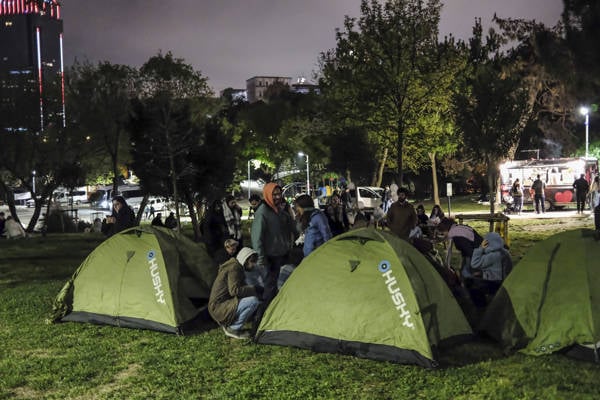
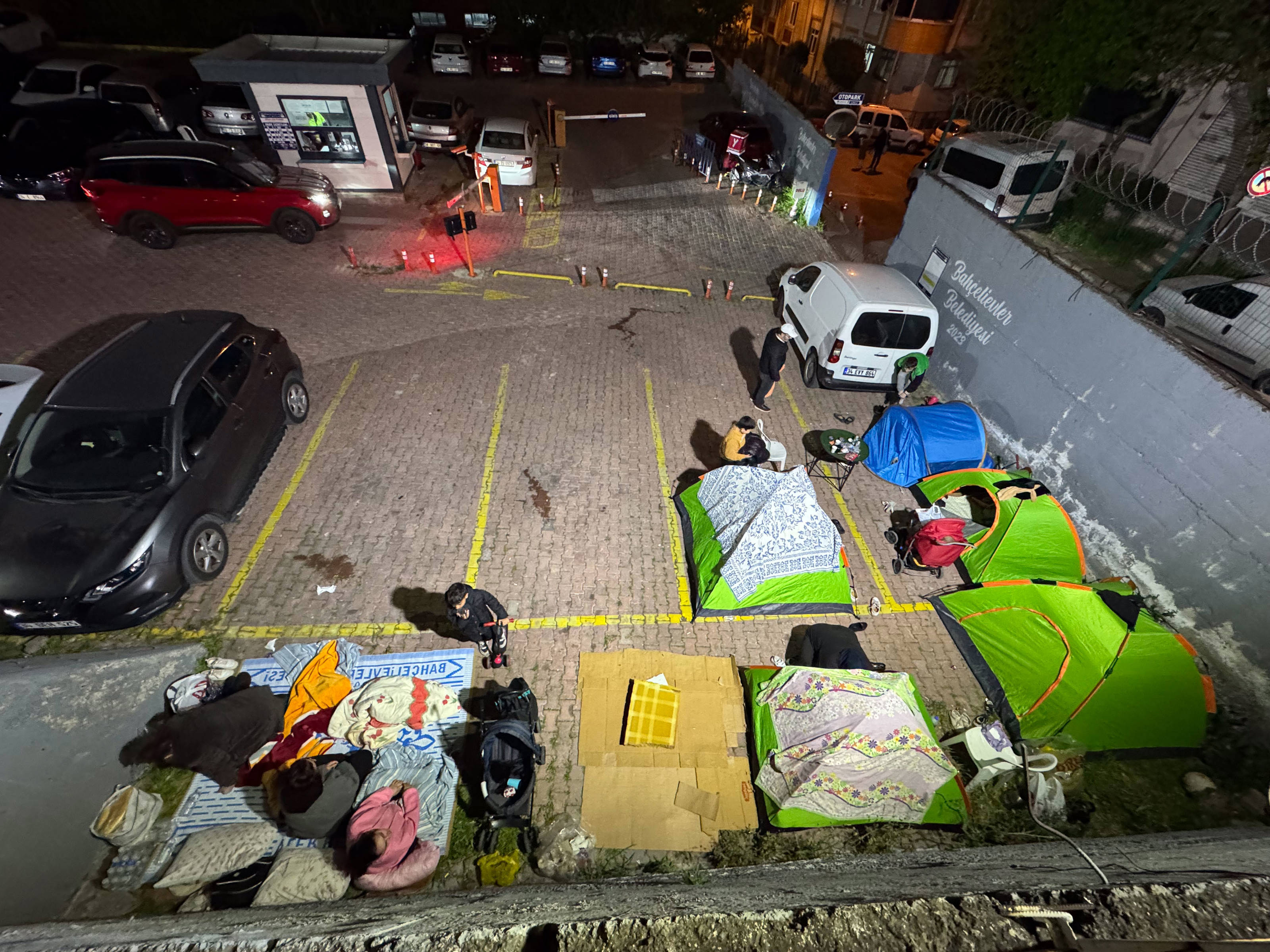
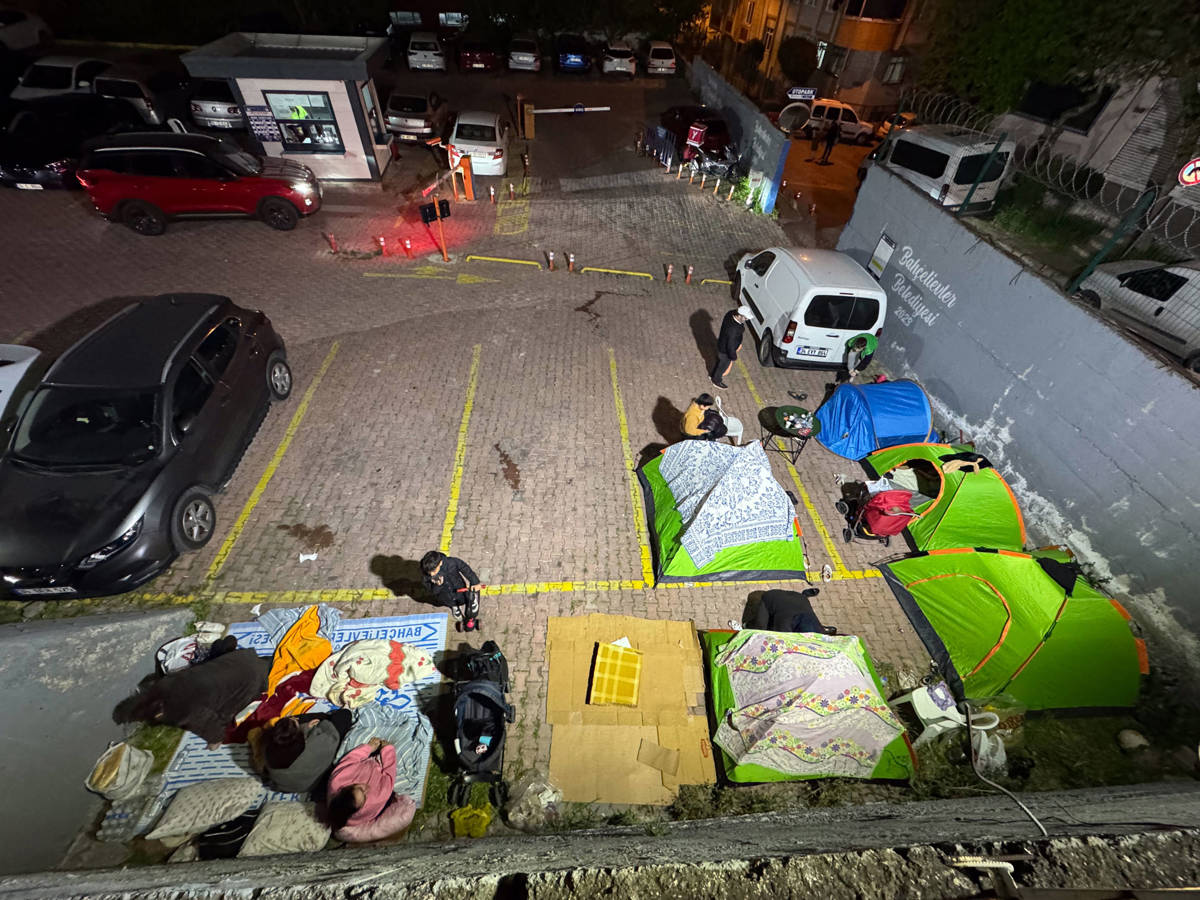
İstanbulites spend night outdoors as earthquake triggers fears
Hepsiburada, one of Turkey’s major online shopping platforms, announced on Apr 29 that it had removed listings for products found to have unjustified price increases following the quake.
The company stated that after a surge in demand for emergency items such as earthquake kits, tents, whistles, and first aid supplies, it reviewed pricing on more than 4,000 emergency products. It reported no price change in 95% of these items, while 3% saw increases and 2% saw decreases.
The company also introduced a support plan to encourage vendors that maintained price stability, added the company.
Damage projections
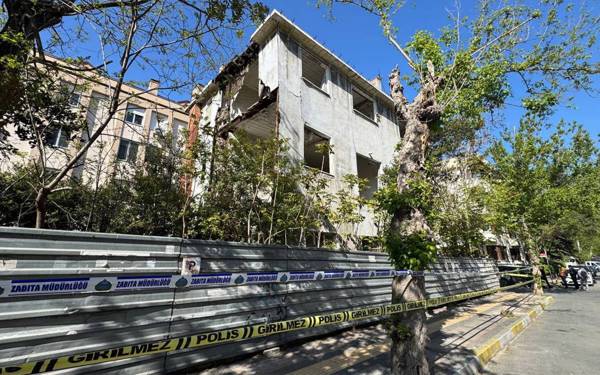
İstanbul Metropolitan Municipality estimated in 2019 that around 195,000 buildings could suffer moderate to severe damage in a major earthquake. Of these, 48,000 were expected to be heavily damaged.
Post-2023 assessments using rapid screening methods have suggested even higher figures. Projections now indicate that up to 500,000 buildings may sustain damage in a 7.5-magnitude earthquake.
The city is home to more than 1.1 million buildings, according to municipality figures. Of these, 70.2% were built in or before the year 2000, when new requirements were introduced following the devastating 1999 Kocaeli earthquake.
Some 22% predate 1980, while 47.6% were constructed between 1980 and 2000. (VK)