



The National Education Ministry has issued a directive encouraging both public and private schools in Ankara to organize activities marking the Islamic holy month of Ramadan. The directive, titled “Ramadan Month Activities,” was distributed to schools along with a detailed guide outlining the scope and structure of the proposed events.
Scheduled to take place throughout Ramadan from Feb 19 to Mar 19, the events aim to promote what the ministry describes as “national and spiritual values,” with a focus on fostering patience, solidarity, and a sense of sharing among students.
‘Healthy personality development’
The document places particular emphasis on values such as fasting, prayer, almsgiving, mutual assistance, and patience. It proposes a variety of activities including the preparation and distribution of Ramadan aid packages to students and community members in need, as well as the organization of communal iftar dinners. These dinners are suggested to include participation from the families of fallen soldiers, veterans, and national athletes.
The ministry argues that the activities are designed to support “the development of a healthy personality structure” among students. It also suggests that schools collaborate with universities, public institutions, district mufti offices, youth and sports directorates, and civil society organizations to carry out the events.
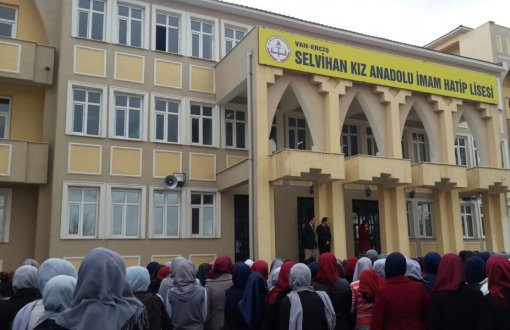
Religious Vocational High Schools Quadruples Science High Schools
Criticism from union
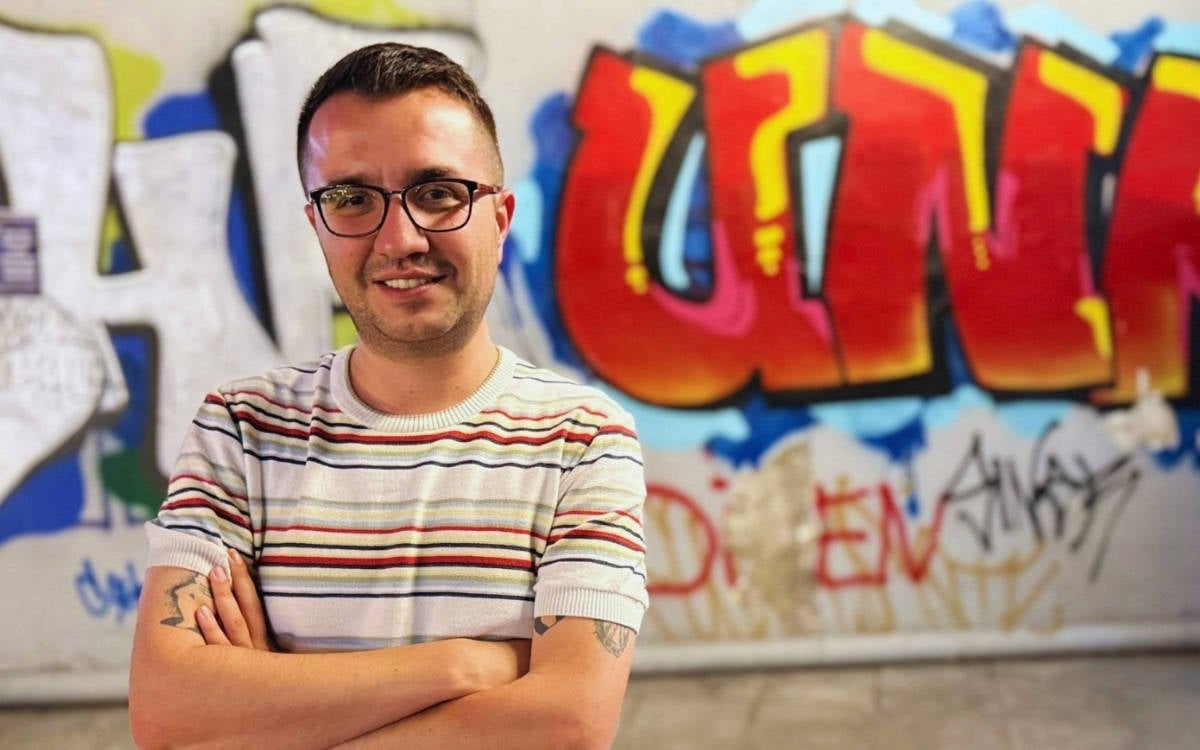
Mehmet Aydoğdu, head of the Education and Science Workers’ Union (Eğitim Sen) Ankara Branch No. 1, criticized the directive, arguing that Turkey’s education system is already grappling with structural problems and said such directives reflect an attempt to impose an ideological agenda.
“While issues like teacher shortages, overcrowded classrooms, deepening poverty, and nutritional and housing problems among students remain unresolved, the ministry’s decision to circulate a detailed Ramadan activity guide cannot be seen as an innocent information note,” Aydoğdu told bianet. “The goal here is not simply to teach a religious topic but to ideologically reframe education and turn schools into spaces that implement the government’s policy of values. This approach systematically undermines the principles of public and secular education.”
Woman teacher ‘assaulted’ over gender-separation curtain at high school
‘Responsibilities outside job descriptions’
While the ministry describes the proposed events as aligned with the national education framework, Aydoğdu argued that they violate students’ rights to secular, scientific, and equal education.
He pointed to the fact that 1.5 million children in Turkey are at risk of dropping out of school, and 400,000 children have already been pulled into child labor through vocational training programs. Against this backdrop, Aydoğdu said the ministry’s focus on religious activities weakens schools’ role as inclusive spaces.

Turkey's vocational education system draws scrutiny amid child worker deaths
“Schools are no longer safe and inclusive for students from different faiths or no faith at all,” he said. “Promoting Ramadan activities in this way places indirect pressure on students who may not wish to participate and creates a discriminatory environment.
"For educators, it constitutes a serious violation of rights. Teachers are being burdened with the organization of religious events outside their defined duties, infringing upon both their freedom of conscience and professional autonomy.”
'Role of schools is not to promote a religion'
Aydoğdu also shared examples of how similar religious initiatives have already been implemented in some schools.
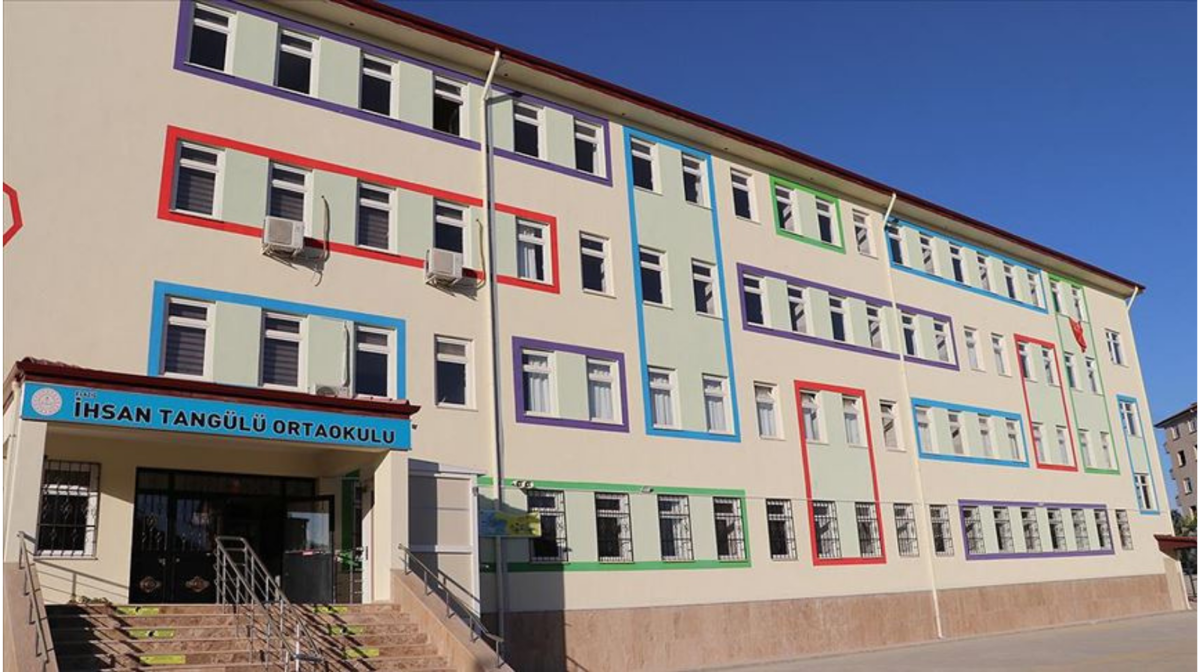
“At Mamak Ali Şir Nevai Middle School, for instance, members of the İHH, a religious aid organization, have been allowed to enter classrooms despite having no official role. They distributed donation boxes and collected money from poor children. This practice, which is strictly forbidden, has become normalized,” he said.
Describing the ministry’s Ramadan directive as incompatible with pedagogical, scientific, and secular education principles, Aydoğdu emphasized that the primary role of schools is not to promote a specific belief system or lifestyle.
“Schools should nurture students’ critical thinking skills and help them grow into free individuals,” he said. “We advocate for education policies to be shaped not by religious communities but based on scientific and public needs.” (NÖ/VK)