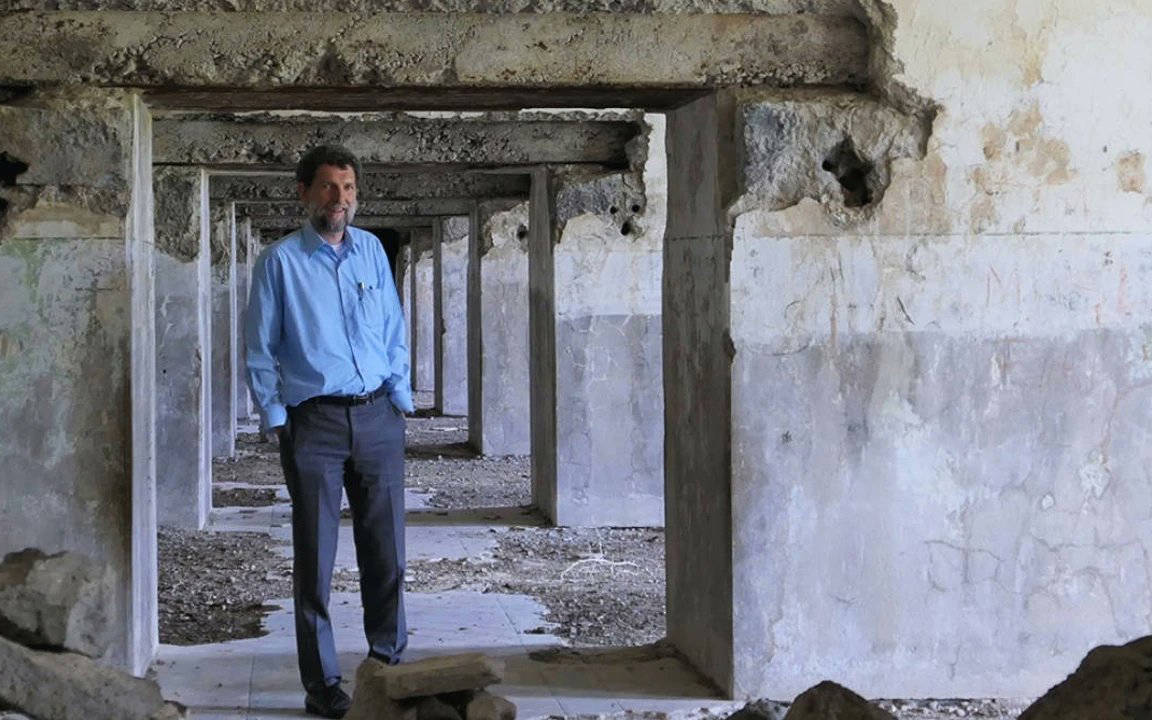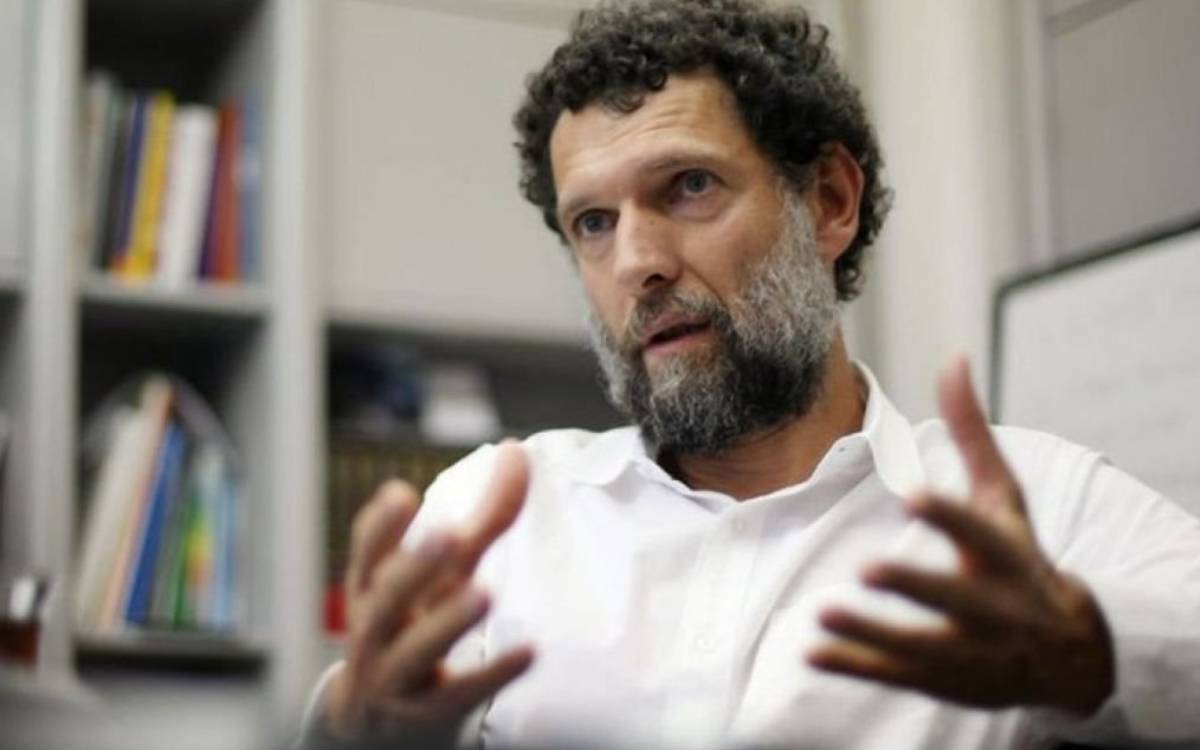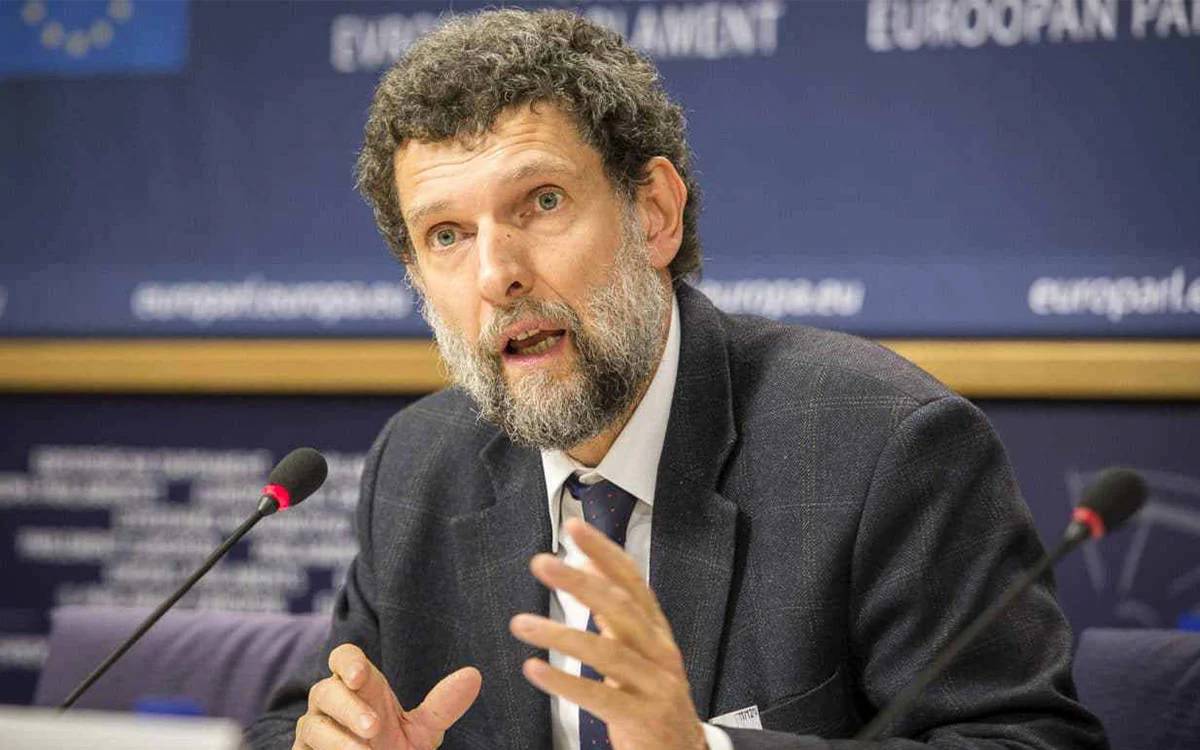






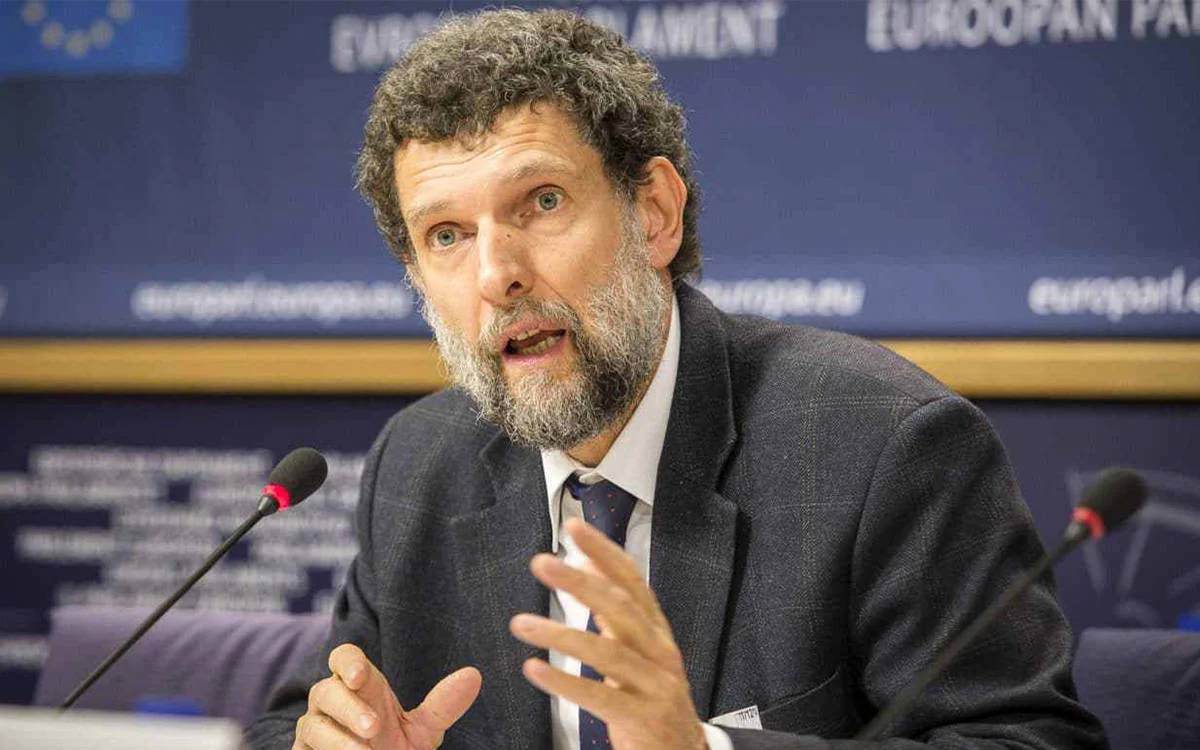



Osman Kavala found himself in front of the European Court of Human Rights (ECtHR) for the third time in the past decade. The philanthropist and businessman who was initially arrested on account of his alleged role in the Gezi Park protests, but still remains in Silivri Prison despite the acquittal of his initial charges, which were overturned in a re-trial.
After nine years in custody, he stood in front of the ECtHR once again today, who ruled in his favor 15-2. The court said that Turkey must release him at the nearest possible date, a ruling that Kavala has heard before. However, this new ruling builds on the previous findings of cases in 2019 and 2022 by directly examining the fairness of the criminal proceedings that resulted in Kavala’s conviction, the interference with his freedoms of expression and peaceful assembly and the lawfulness of his deprivation of liberty after 2019. The Court also examined the nature of his aggravated life sentence.
A comprehensive legal summary of the ECtHR Grand Chamber’s judgment in Kavala v. Türkiye (No. 2)
The Grand Chamber found that Turkey had violated:
- article 10 of the European Convention on Human Rights, which protects freedom of expression;
- article 11, which protects freedom of peaceful assembly;
- article 6/1, concerning the right to a fair hearing before an independent and impartial tribunal;
- article 5/1, concerning the right to liberty and security;
- article 18, which prohibits restrictions on Convention rights from being applied for purposes other than those prescribed, taken together with Articles 5/1, 6/1, 10 and 11;
- and Article 3, because the aggravated life sentence offered no prospect of conditional release and no mechanism for reviewing whether continued imprisonment remained justified.
Before the ECtHR, Kavala argued that:
- his deprivation of liberty had been arbitrarily continued after the 2019 judgment;
- the same facts from previous domestic cases had repeatedly been used under different criminal classifications;
- activities protected by the Convention had been treated as evidence of serious crimes;
- His conviction had no foreseeable legal basis;
- he had not been tried by an independent and impartial tribunal;
- important defense witnesses had not been heard and central defense arguments had not been effectively examined;
- his aggravated life sentence provided no prospect of release or review;
- And the investigation, continued pre-trial detention and conviction, had been used to punish and silence him.
In addition to ruling for Kavala’s release, the Court emphasized that there are systemic flaws in Turkey’s judiciary system that contributed to Kavala’s detention.
However, the Court did find Kavala’s complaint that the criminal proceedings as a whole had lasted an unreasonable amount of time inadmissible.
Who is Osman Kavala?
Osman Kavala is a Turkish businessman, philanthropist and prominent figure in civil society. He was arrested in 2017 for allegedly funding the nationwide anti-government Gezi Park protests in 2013. Kavala’s case has drawn significant attention from human rights organizations across the world, who say his detention is politically motivated.
Prior ECtHR rulings on the Kavala case
In the first Kavala v. Turkey judgment on Dec. 10, 2019, the ECtHR ruled on Kavala’s pre-trial detention in connection with the Gezi Park events and the attempted coup of July 15, 2016. The Court ultimately found that there had been no reasonable suspicion to conclude Kavala committed the offenses attributed to him.
In this first Kavala proceeding, the ECtHR found violations of Articles 5/1, 5/4 and 18. The judgment, which became final on May 11, 2020, ultimately concluded that Kavala’s detention served an ulterior purpose not prescribed by the Convention — silencing him as a human rights defender. Kavala is to be released immediately, the Court argued.
After Kavala was not released following this initial ruling, the Committee of Ministers initiated infringement proceedings against Turkey under Article 46/4 of the Convention on Feb. 2, 2022. The intention of these proceedings were to determine whether Turkey had failed to comply with the binding 2019 judgment. On July 11, 2022, the Grand Chamber concluded that, indeed, Turkey had failed to comply with the earlier ruling.
Kavala was still detained and although the charges were different, the ECtHR found that the later new charges pressed against Kavala were not based on substantially new facts. Evidence that the ECtHR had already examined and found insufficient was simply reclassified under different criminal provisions.
Kavala then filed a new individual application with the ECtHR on Jan. 18, 2024, concerning developments after the 2019 judgment. This application was initially allocated to the court’s Second Section. However, jurisdiction was relinquished and the case eventually made its way to the Grand Chamber under Article 30 of the Convention.
This new case went beyond the simple question of executing the earlier judgments. It directly concerned Kavala’s conviction, the proceedings as a whole and his continuing deprivation of liberty. This was the case in question today.
Kavala’s domestic proceedings in Turkey
Kavala has been under detention since Oct. 18, 2017. He was initially suspected of attempting to overthrow the government by force and violence in connection with the Gezi Park events, under Article 312 of the Turkish Criminal Code, and of attempting to overthrow the constitutional order in connection with the July 15 coup attempt, under Article 309.
On Feb. 28, 2020, The İstanbul 30th Assize Court acquitted Kavala and ordered his release. The release order did not result in Kavala’s actual release, who was taken into police custody yet again on the same day under Article 309. In March 2020, he was placed in pre-trail detention, this time on the charge of political or military espionage under Article 328. Kavala was later convicted on April 25, 2022, and sentenced him to aggravated life imprisonment.
A chilling effect on civil society
The Court found that a significant number of Kavala's activities were normal behaviors that fall within the protection of freedom of expression and peaceful assembly.
These activities including things like participating in public debate; supporting civil society initiatives; facilitating meetings; documenting alleged human rights abuses; disseminating information and opinions on matters of public interest; criticizing the use of tear gas; organizing cultural events and documentary projects; meeting academics, journalists, diplomats and international organizations; and providing material, logistical or intellectual support for peaceful demonstrations.
While the Grand Chamber emphasized the important role of human rights defenders and civil society organizations in a democratic society, the Turkish government argued the violence that took place during the Gezi Park protest placed Kavala’s activities outside the protection of the Convention. The court rejected this argument.
Domestic Turkish courts have not established that Kavala personally participated in or incited any violent acts during the Gezi Park protest. Under ECtHR case law, individuals do not lose the right to peaceful assembly over the violent actions of other people during the demonstration, provided that the individual in question remains peaceful in their own intentions and behaviour.
Moreover, the ruling stated that equating lawful civil society activities with the actus reus of an exceptionally serious offense had led to the “indirect attribution of criminal liability for acts of violence committed by third parties, in the absence of any direct participation, incitement or accommodation on the applicant’s part.”
The Court said this in turn has a serious chilling effect on the exercise of the freedoms enshrined in Articles 10 and 11 of the Convention, protecting freedom of expression and peaceful assembly.
Kavala’s case is evidence of a systemic problem
The Court found that Kavala’s situation is not merely an isolated incidence of injustice, but rather a symptom of a larger systemic problem. Their ruling stated that the case has a wider context in Turkey marked by the detention and prosecution of political opponents, human-rights defenders and journalists on the basis of criminal offences, the scope of which is "interpreted extensively or artificially magnified.”
The injustices that took place and ultimately led to Kavala’s nine year detention are part of a larger systemic issue in the Turkish judiciary. Kavala is just one member of civil society who is facing these consequences.
(HA/İK)