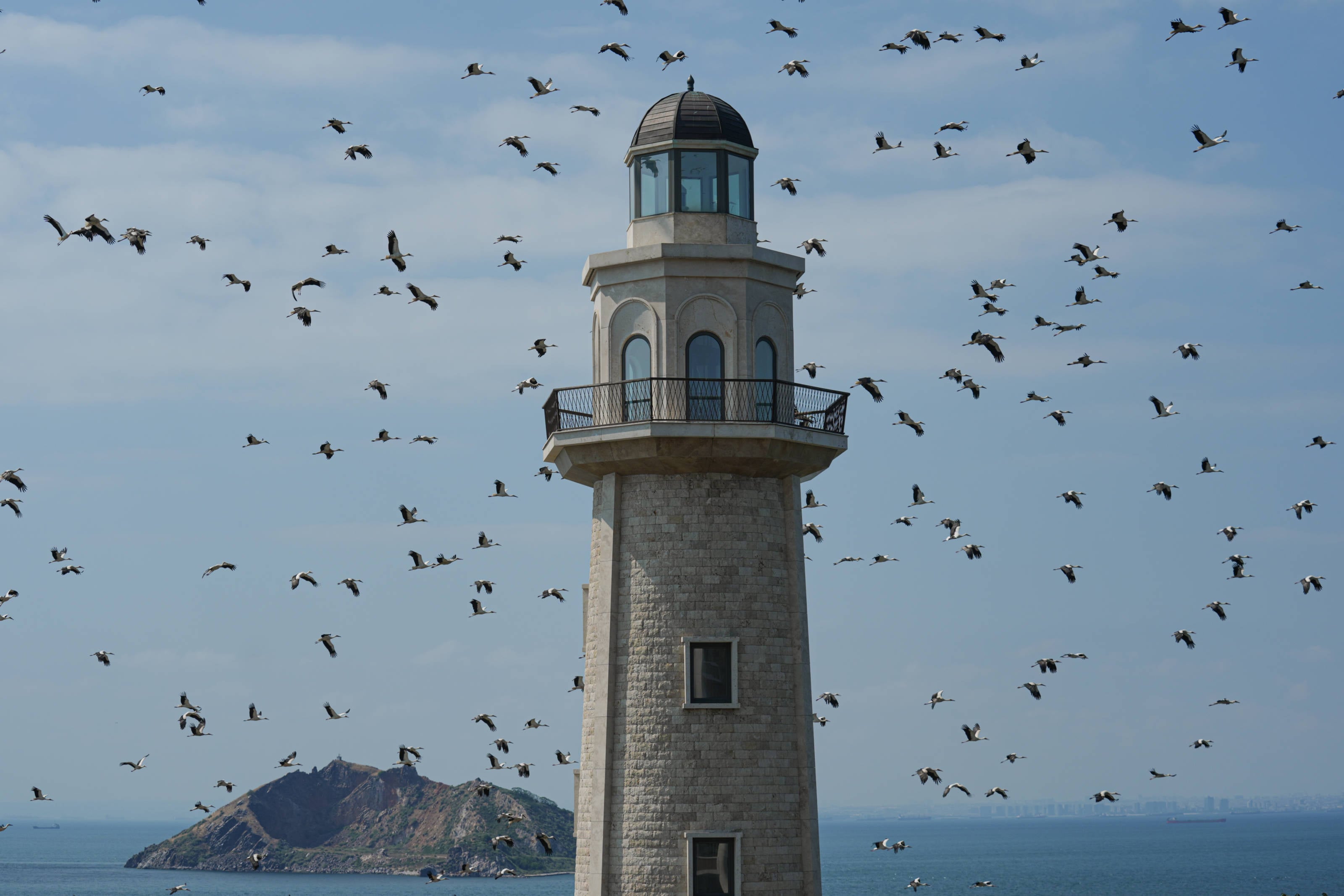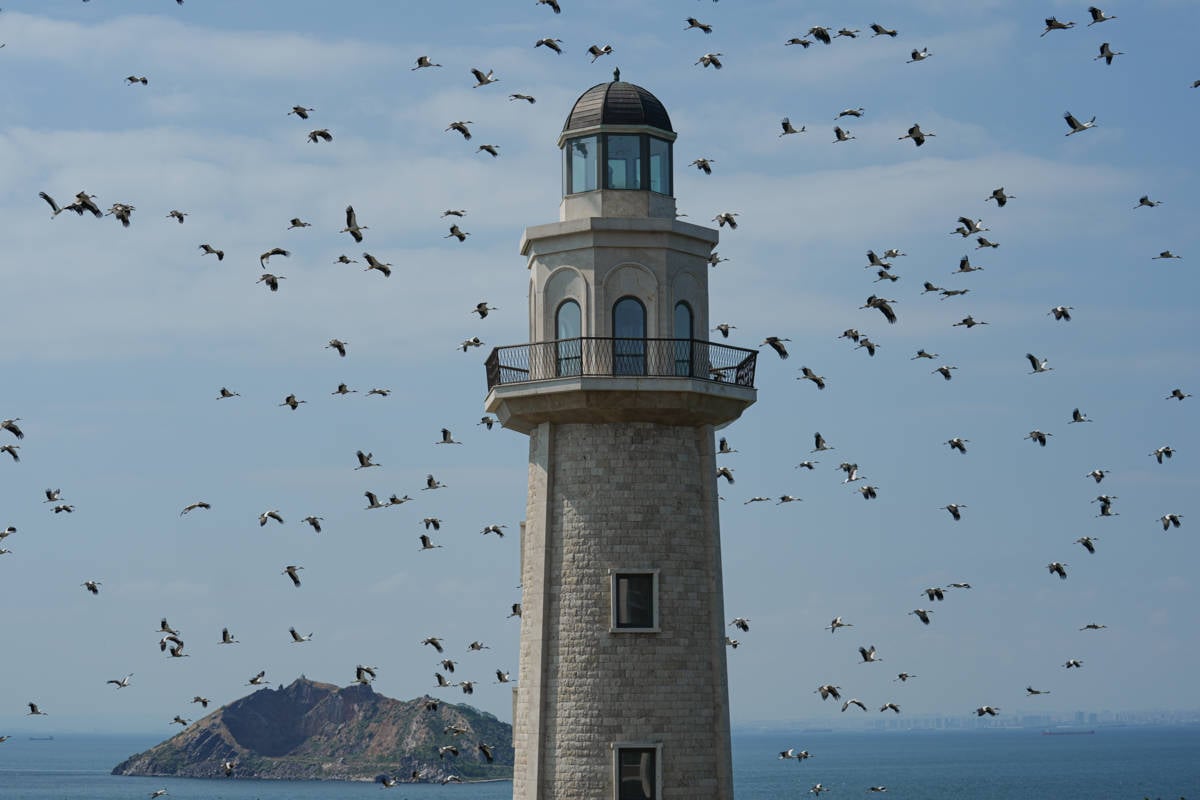



As the migration season begins, dozens of storks have been found dead in northwestern Turkey in recent days, after being electrocuted by high-voltage lines.
Local residents found nearly 30 dead storks on Aug 19 along a high-voltage power line in an agricultural area in the Marmaraereğlisi district of Tekirdağ.
"Unfortunately, dozens of storks are lying dead along the roadsides. Apparently this happens every year, but this is the first time we have seen it on this scale," Marmaraereğlisi Environmental Volunteers Association chair Mine Olgaç told Mezopotamya Agency (MA).
More than 100 storks were also recently found dead around Küçükçekmece Lake on the outskirts of İstanbul, where electric railway lines are located as part of an ongoing high-speed railway project between İstanbul and Edirne.
A key migration route
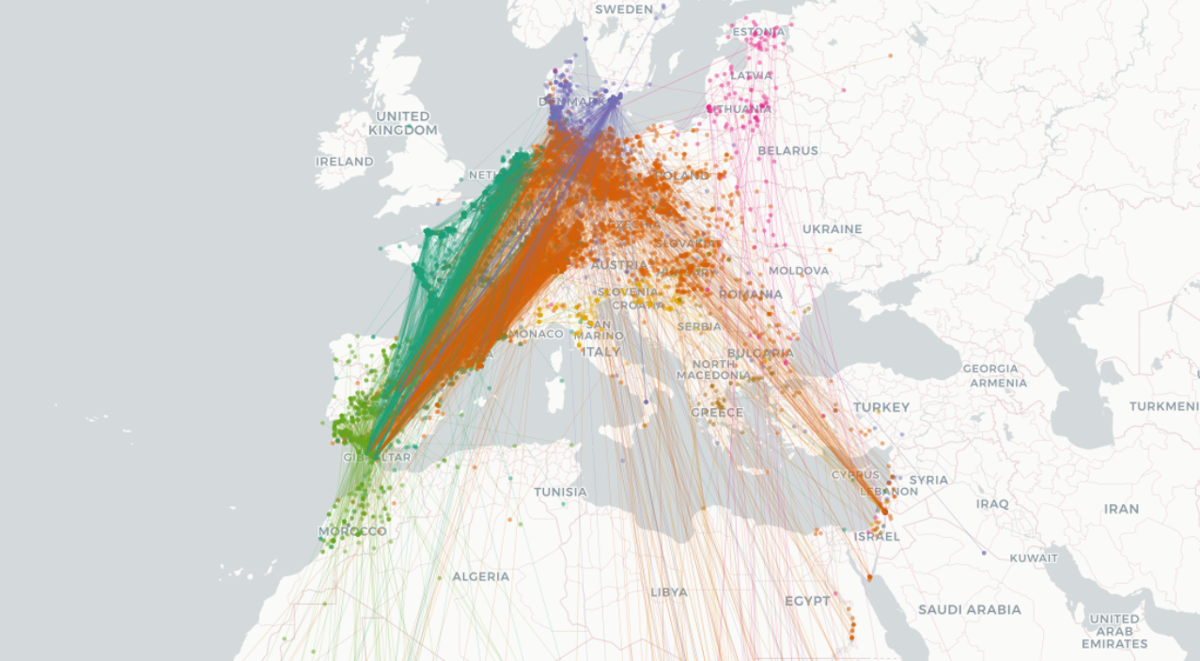
İstanbul lies on one of the two main migration corridors connecting Europe and Africa, along with the Iberian Peninsula-Gibraltar route. Storks winter in Africa and migrate through Turkey to Europe in the spring, where they breed, before returning south in the autumn.
The European breeding population is estimated at about 224,000 to 247,000 pairs, according to Migration Atlas. Tens of thousands of the eastern population are estimated to migrate through the Bosphorus and Dardanelles and continues through the Middle East toward eastern and southeastern Africa.
Field counts recorded 50,000 to 120,000 storks passing through İstanbul between 2006 and 2010.
Measures introduced in Küçükçekmece
Following the deaths, Turkish State Railways (TCDD) launched a scientific study and introduced initial measures including insulation and devices designed to prevent birds from perching on electrical infrastructure.
TCDD said further measures would be developed according to risks identified through scientific assessment to minimize contact between migratory birds and railway electrification systems.
Birdwatcher and activist Erdem Kuruca, who is closely following the developments in the area, told BBC Turkish that without these measures, "the death toll could have reached several hundred."
"When the storks arrive in the evenings, a maintenance vehicle is on the tracks to prevent them from approaching," he said.
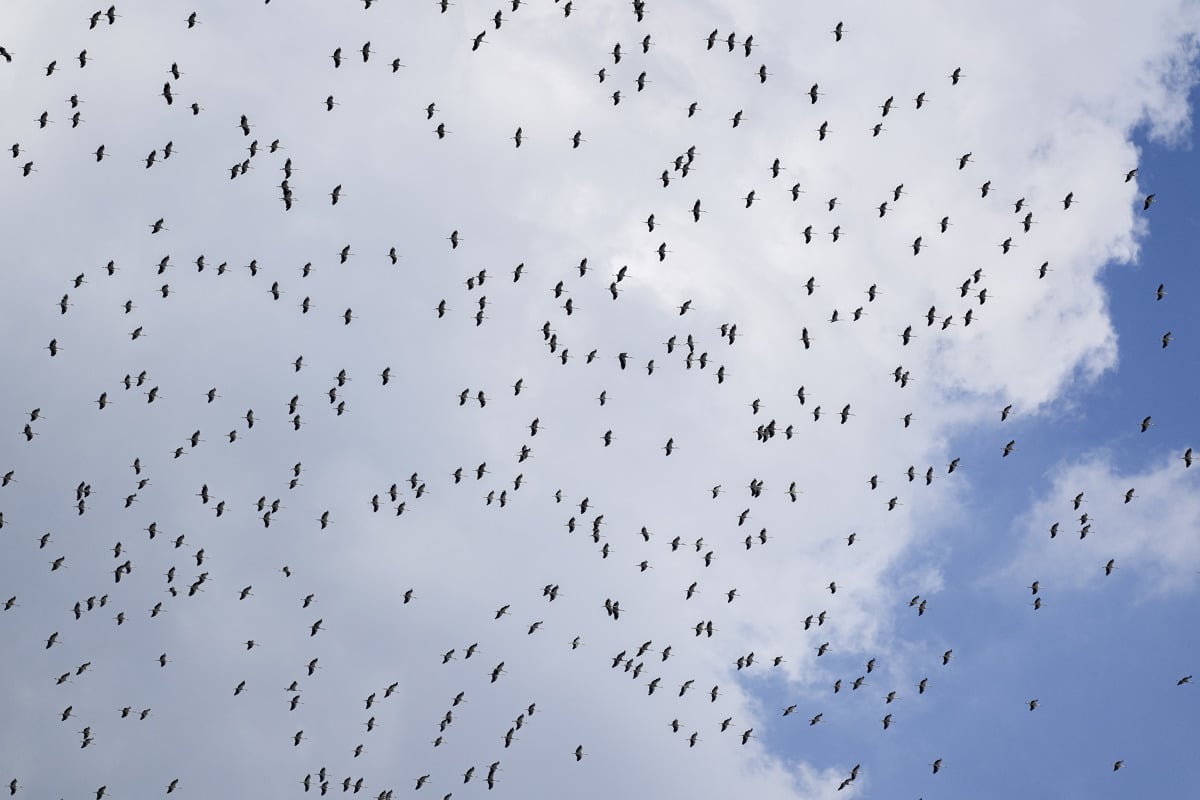
Dr. Ergün Bacak, a wilflife expert at İstanbul University-Cerrahpaşa, called for insulation along its electrical lines, as well as broader measures in the country's northwestern region of Thrace.
"More ornithological monitoring should be carried out before power lines and wind turbines are built in Thrace, and necessary measures should be taken in areas that pose a risk," he told Anadolu Agency (AA).
Milleyha: Migratory birds' gateway to Turkey threatened by earthquake debris
Deaths gone unnoticed in previous years
Kuruca said similar deaths occurred in Küçükçekmece in previous years but they had not attracted public attention, citing his recent conversations with local people.
"We need to keep this issue on the agenda," he said during an Aug 14 program on Apaçık Radyo. "Unfortunately, we spoke to people who live there and people who are constantly in the area. These deaths happened last year as well. They happened the year before that, too. But nobody knew about them. So even in İstanbul, we are not aware of these deaths."

Stork Yaren reunites with fisherman friend for 15th year in Bursa 'stork village'
Why do birds perch on power lines?
Dr. Bacak said habitat loss can leave migratory birds such as storks with few safe places to rest, forcing them to perch on power lines.
"If storks land on the ground, they may become prey for species such as jackals and stray dogs. That is why they prefer to spend the night perched somewhere high," said.
Birds can normally perch on electrical wires without being harmed, but storks, which have broad, long wings, can touch two wires at the same time, completing an electrical circuit and causing electrocution, Bacak noted.
Authorities adding water to Türkiye's largest saline lake to prevent baby flamingo deaths
Other risky regions
Not only Turkey's northwest, but much of its soil lies on bird migration routes. Some areas pose particular risks according to Dr. Bacak, including the Bosphorus and Dardanelles traits, the Belen Pass in Hatay and the Çoruh Valley in Artvin, all narrow corridors where large numbers of migratory birds pass.
"Construction projects, wind turbines and power lines in these areas put birds at greater risk," he said. "After Thrace, provinces such as Mersin, Hatay and Adana are generally among the places where power lines and poles kill the most birds." (VK)