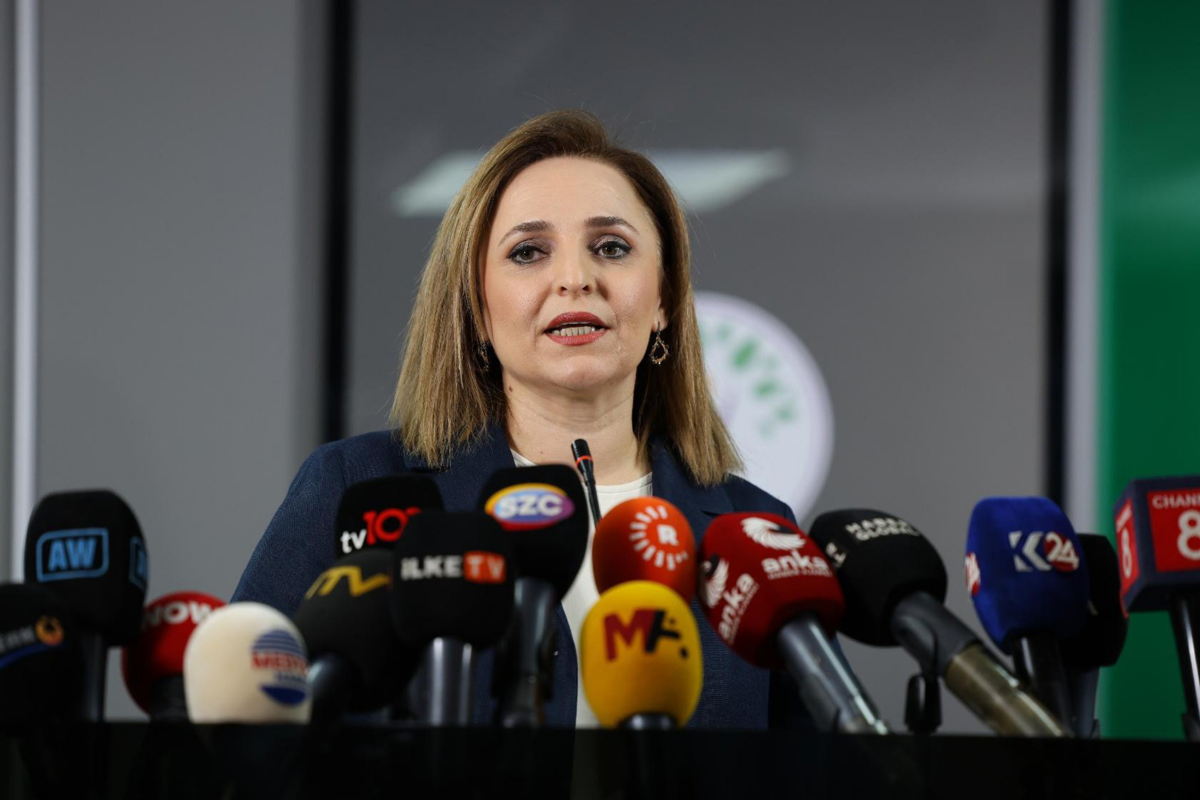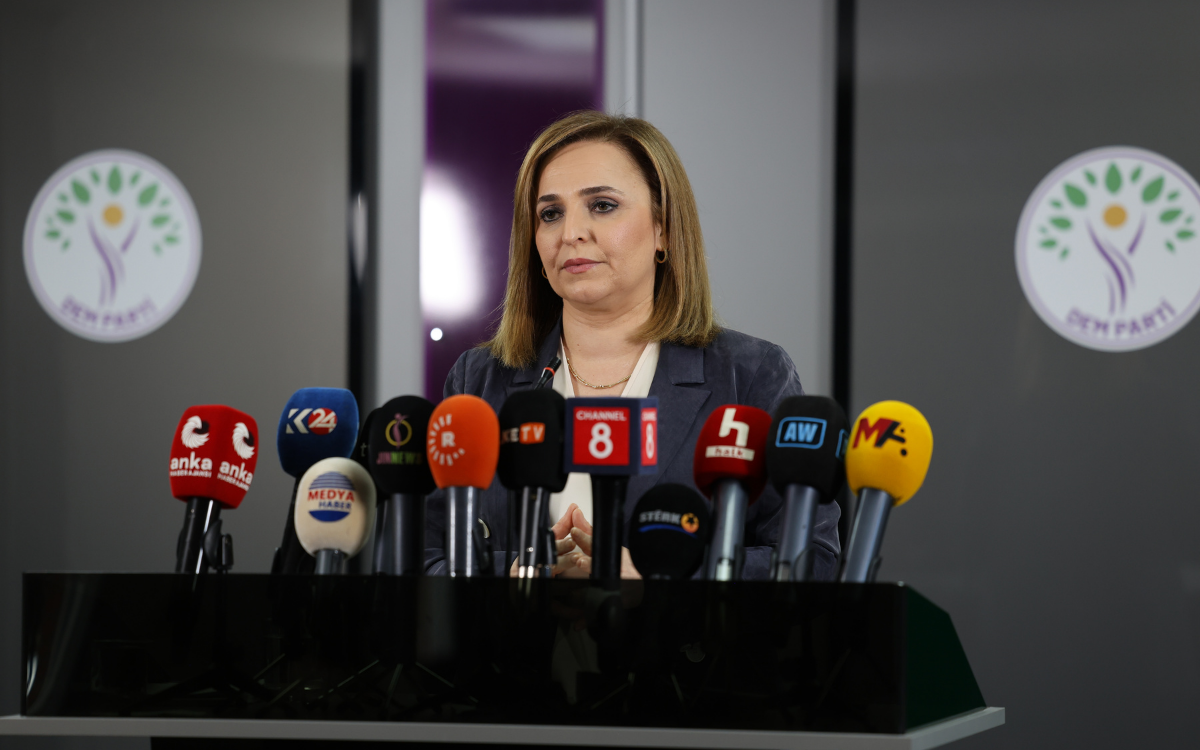



At a press conference following a Peoples' Equality and Democracy Party (DEM) central executive board meeting, DEM Spokesperson Ayşegül Doğan called on the Grand National Assembly of Turkey (TBMM) to invite Mazloum Abdi and İlham Ahmed to Turkey.
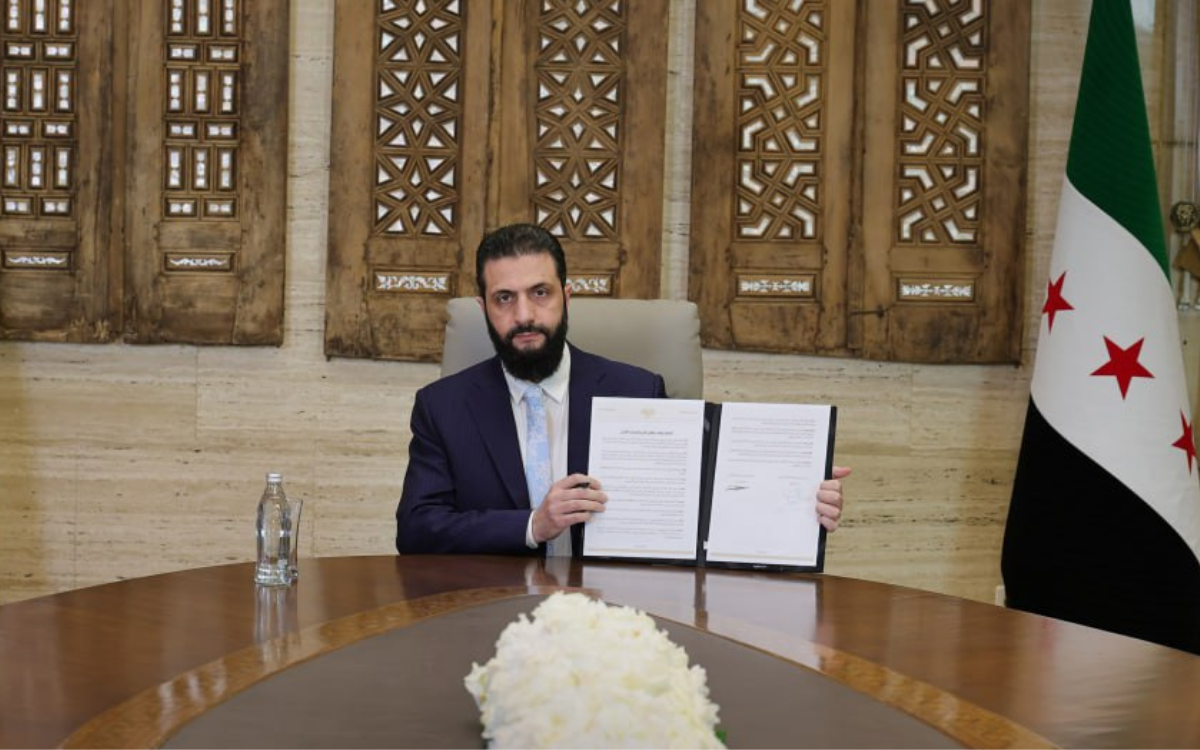
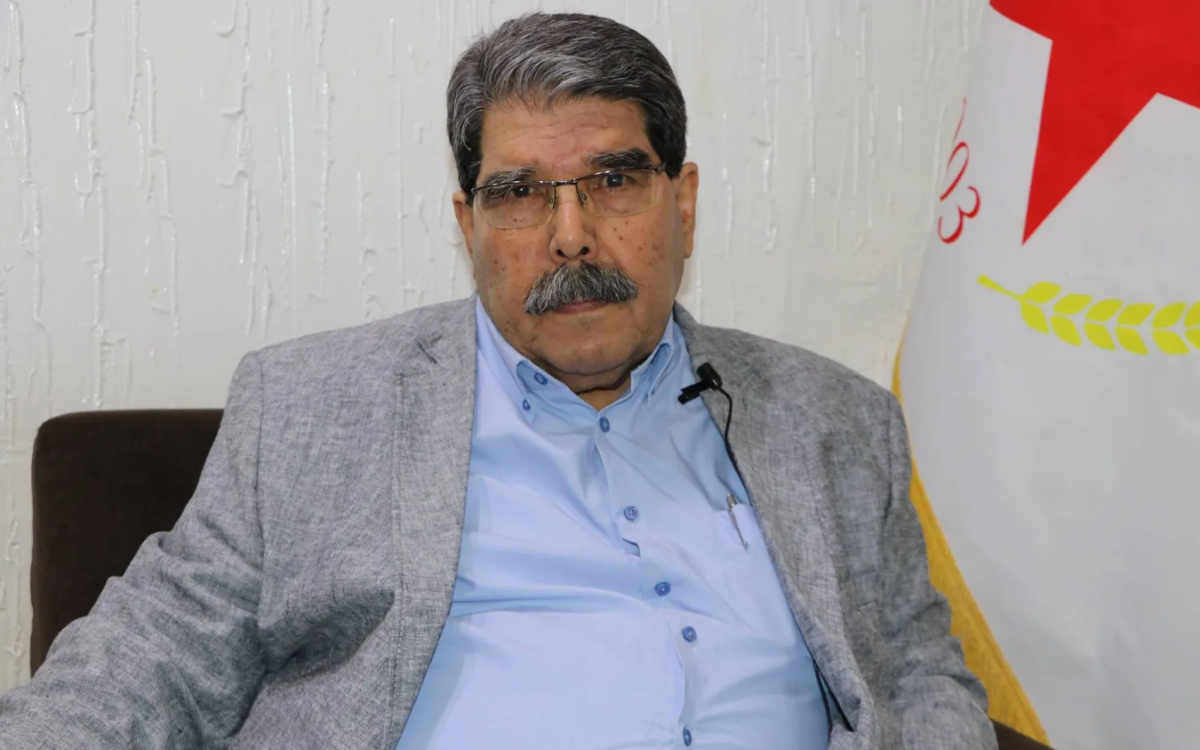
Abdi is the former General Commander of the Syrian Democratic Forces (SDF), and now serves as a presidential advisor. Ahmed is the former co-chair of the Foreign Relations Department of the Autonomous Administration of North and East Syria (AANES), also known as Rojava. Ahmed now serves as a member of the People's Assembly of Syria.
This call comes after the integration of the Kurdish-led SDF into the Syrian army this week, marking the dissolution of the largest organized fighting force outside of Damascus’s authority. Syrian President Ahmed al-Sharaa has also pledged to protect Kurdish language and political rights.
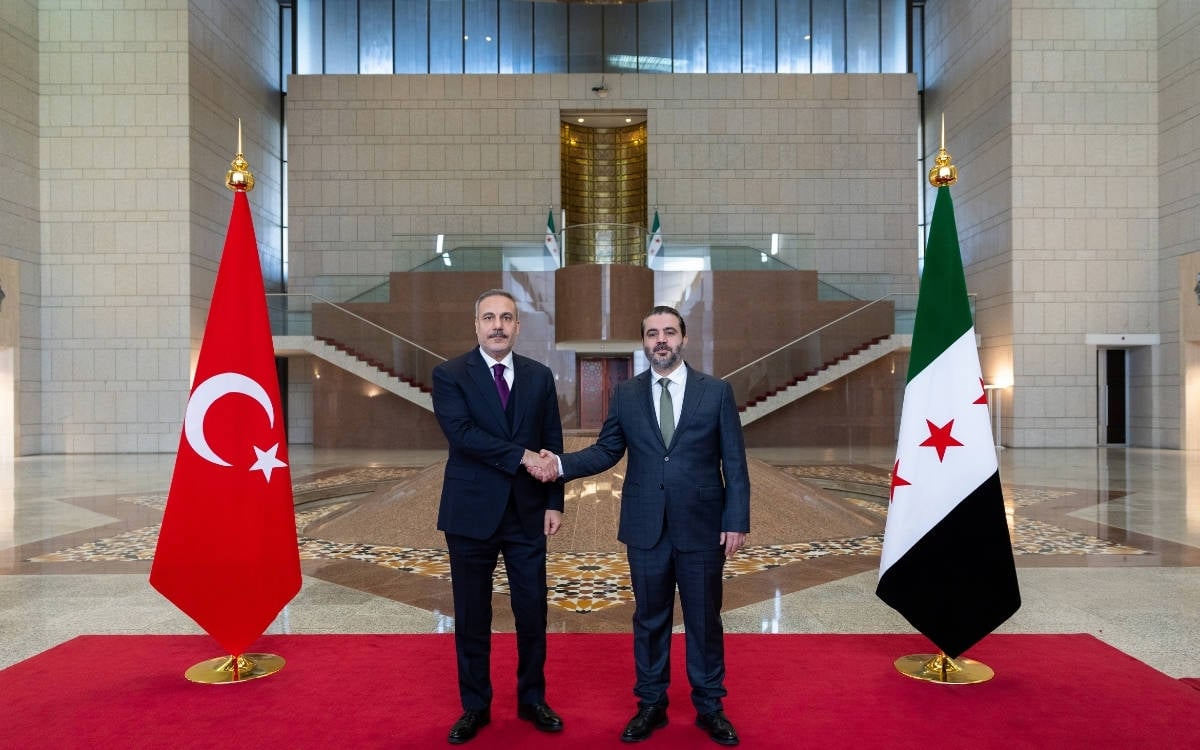
Doğan said that establishing direct contact between Turkey and Kurdish political actors in Syria will facilitate the peace process at home. She also praised Syria’s efforts to integrate SDF into the army as an important step in including Kurds in political and legal structures.
The success of the Kurdish peace process in Turkey could have a larger positive impact throughout the region, setting Turkey as a model for the Middle East, she said.
What is the peace process?
The Kurdish peace process refers to the renewed movement to end the 40 year conflict between the Turkish military and the Kurdistan Workers' Party (PKK). The initiative began in Oct. 2024 upon the suggestion of the Nationalist Movement Party’s (MHP) leader Devlet Bahçeli, a close Erdoğan ally, that the state could release PKK leader Abdullah Öcalan in exchange for the dissolution of the PKK.
The PKK declared its dissolution in May 2025 and later held a symbolic disarmament ceremony. Subsequently, a commission was established in parliament in the second half of the year to determine the legal process regarding the peace process. Most recently, Turkey passed the “Framework Law” on Aug. 10 and held the first framework law committee this week, which established corresponding subcommittees to carry out disarmament and other conditions.
Doğan stressed the importance of solving Syria’s problems through politics and law rather than conflict and said that Abdi’s efforts in this regard should be taken into account. She also noted the importance of women’s involvement in political and diplomatic processes.
INTERVIEW WITH MP CENGİZ ÇANDAR
'Turkey's peace process will gain momentum after Damascus-SDF agreement'
Doğan touched on the role of civil society and addressed alleged Öcalan notes:
Doğan stressed that the peace process should not be restricted to governing bodies alone. She requested the creation of mechanisms where different segments of society can participate in the process — specifically encouraging the involvement of civil society organizations, rights defenders, and those who have conducted work in the field.
In the press conference, Doğan also touched on controversial meeting notes that some claimed were associated with Kurdistan Workers Party (PKK) leader Abdullah Öcalan. Reaffirming that several statements already confirmed the notes were fake, Doğan suggested that journalists be allowed to meet Öcalan at İmralı Prison. She argued that direct communication would combat disinformation.
What are the Öcalan meeting notes?
On Aug. 25 purported meeting transcripts allegedly from a meeting with Öcalan at İmralı Prison were circulated in the media and social media. The notes included different assessments around the framework law, the new constitution, the future of the peace process, his own status and political developments in Turkey, Syria and Iran.
Öcalan has denied the authenticity of these notes and the DEM Party’s İmralı Delegation warned against believing unauthorized texts. The DEM Party described them as an attempt to sabotage the peace process.
On the peace process, Doğan said that suffering shouldn’t be categorized according to ethnicity and that “it is necessary to hear the voice of mothers.”
Peace is a demand that unites people of all identities, and ultimately, the common goal should be that no young person loves their life due to conflict in Turkey, she said.
(NÖ/İK)