


A court ordered has the release of cartoonist Doğan Pehlevan four months after his arrest over a cartoon published in the satirical magazine LeMan, which was interpreted by authorities as a depiction of prophet Muhammad and led to criminal charges. Pehlevan will remain in detention due to a separate case in which he is charged with "insulting the president."
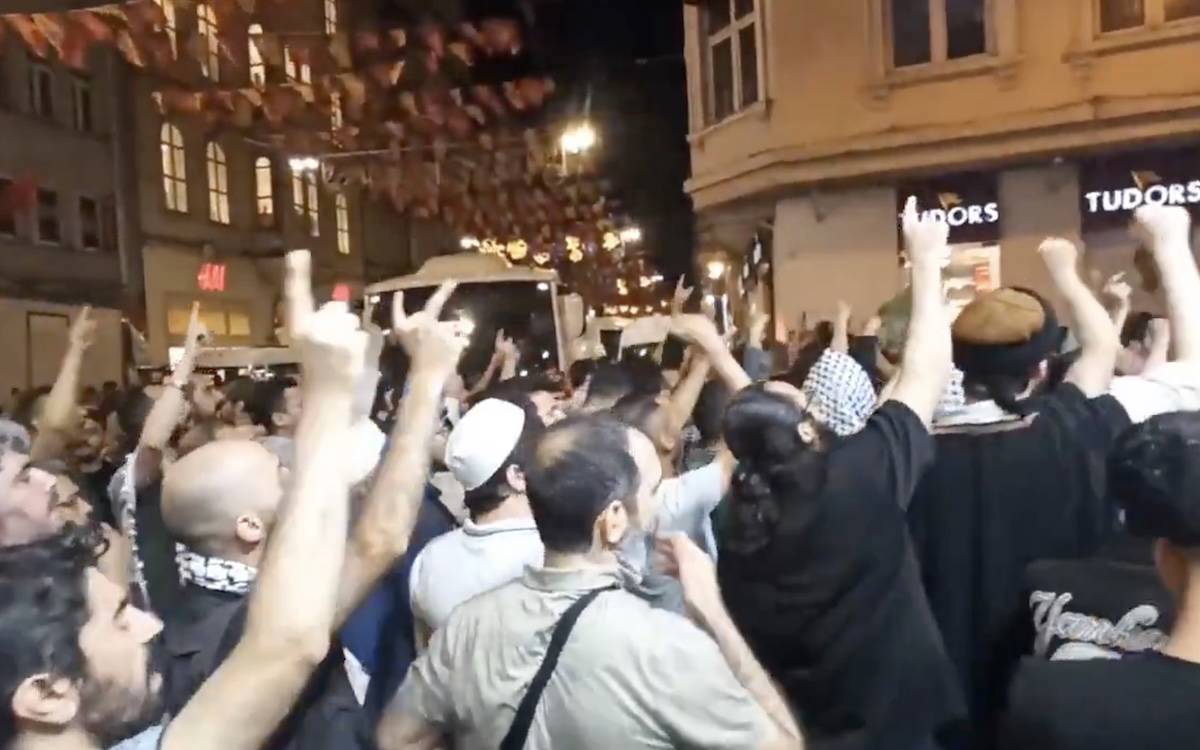
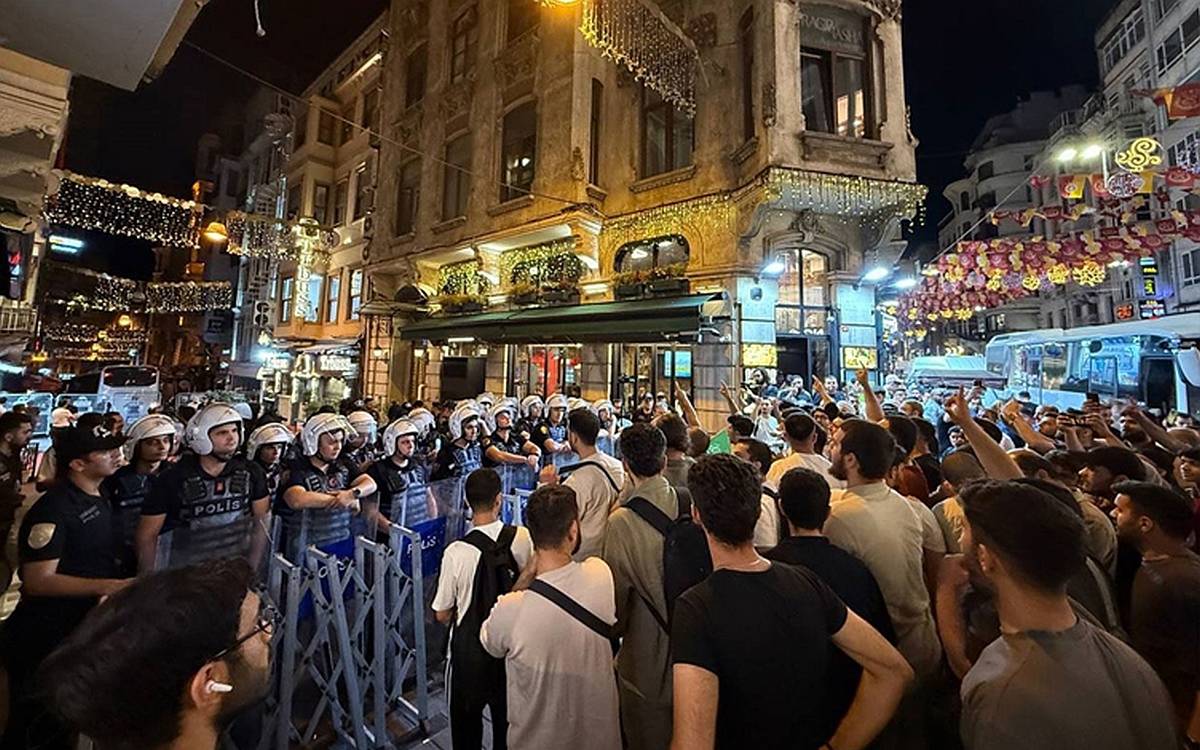
Pehlevan and four other LeMan staff members are on trial for “inciting the public into hatred and hostility” over the cartoon published in early July. The cartoon showed two characters named "Muhammad" and "Moses" greeting each other as they float with angel wings above a war-torn city in what appeared to be a reference to the conflict in Gaza.
The first hearing in the case was held today at İstanbul’s 2nd Penal Court of First Instance. Alongside Pehlevan, who attended the hearing via video link from prison, the defendants include LeMan’s editor-in-chief Tuncay Akgün, managing editors Zafer Aknar and Aslan Özdemir, executive director Ali Yavuz, and graphic designer Cebrail Okçu.
Pehlevan denies depicting prophets
According to the Media and Law Studies Association (MLSA) reporting, Pehlevan told the court he had no intention to incite hatred among the public.
Addressing the claim that his cartoon depicted prophets, Pehlevan said, “A classic drawing of the Prophet Moses would include a staff, stone tablets, and sandals. That’s not what I drew. I drew a Jewish man in modern clothing. The other figure is claimed to be the Prophet Muhammad. It’s not. As someone who grew up in this country, I know that drawing the prophet is prohibited.”
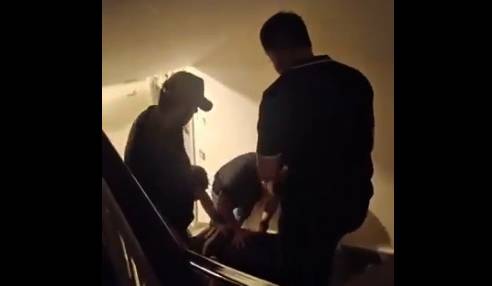
Rights groups condemn police treatment of detained LeMan cartoonist
His lawyer, Kerem Altıparmak, cited Turkish law, Constitutional Court rulings, and European Court of Human Rights precedents, arguing the cartoon falls within the scope of freedom of expression. Displaying an enlarged version of the cartoon in court, Altıparmak said it does not incite animosity between social groups but instead conveys an anti-war, pro-peace message.
Challenging assumptions about the figures in the cartoon, he said, “Have any of us seen the prophets? How can we be so sure that these are prophets?” He criticized the lack of concrete evidence supporting the accusations.
Suspects keps in high-security prisons
Co-defendant Aslan Özdemir, who was released in September after spending over two months in detention, said he was abroad when the cartoon was published and voluntarily returned to Turkey upon learning about the arrest warrant.
“I wasn’t apprehended at the airport, I turned myself in,” he said. “Despite sharing my flight and seat numbers, I was handcuffed from behind and forced to bow my head during arrest. My human dignity was violated, and my rights were ignored.”
Both Pehlevan and Özdemir noted that they were held in type-Y high-security prisons, often referred to as “well-type” facilities due to their highly isolating and restrictive conditions.
Turkey’s new ‘high-security’ prisons raise ‘social isolation’ concerns
Graphic designer Cebrail Okçu emphasized that he had no editorial authority, saying his role was limited to page layout. He described what he experienced after being released, saying, “After my release, I went to the mosque. People who know me didn’t believe I committed this offense—they hugged me and wished me well.”
Ali Yavuz, the magazine’s finance manager, stated he had no involvement in the publication process. “I’m the accountant. I have no connection to editorial decisions,” he said.
Zafer Aknar, listed as managing editor in the indictment, also denied any active role. “I haven’t been to the magazine in two years. I had no part in editorial operations,” he said.
The court ruled for Pehlevan’s release and lifted judicial control measures on the other defendants. However, Pehlevan will remain in detention due to a separate ongoing case related to allegedly insulting the president.
The next hearing is scheduled for May 5. (HA/VK)