



An administrative court in Ordu, northern Turkey, has suspended an environmental approval for a planned mine in the province, citing ecological risks, cultural heritage concerns and deficiencies in the project assessment.
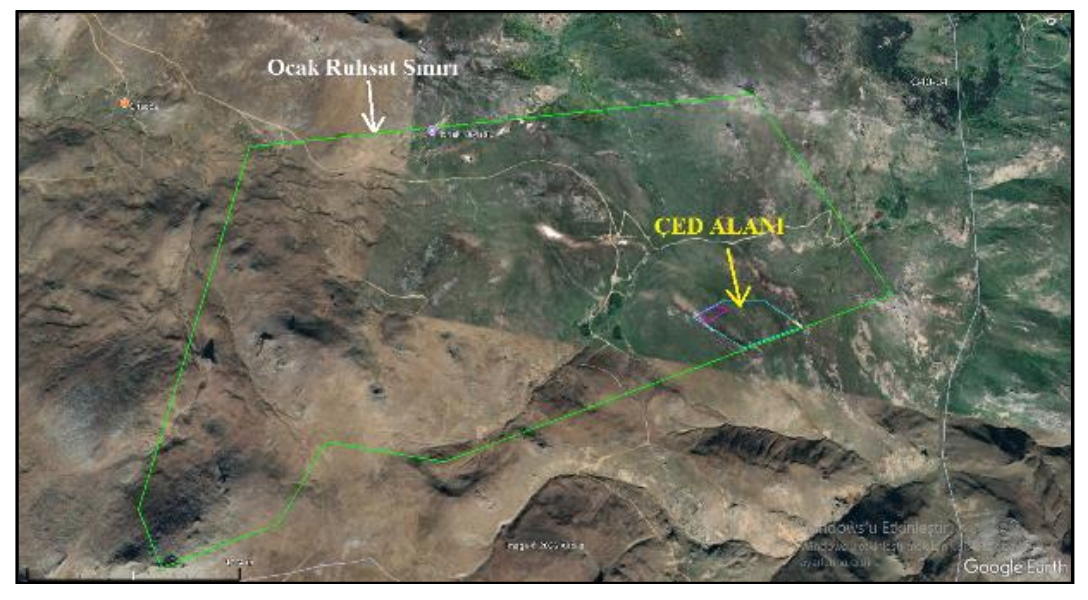
The Ordu Administrative Court suspended the "Environmental Impact Assessment (EIA) Positive" decision granted to Favori Metal Madencilik mining company for the planned mine on a plateau in the Musakırık neighborhood of the Kabadüz district.
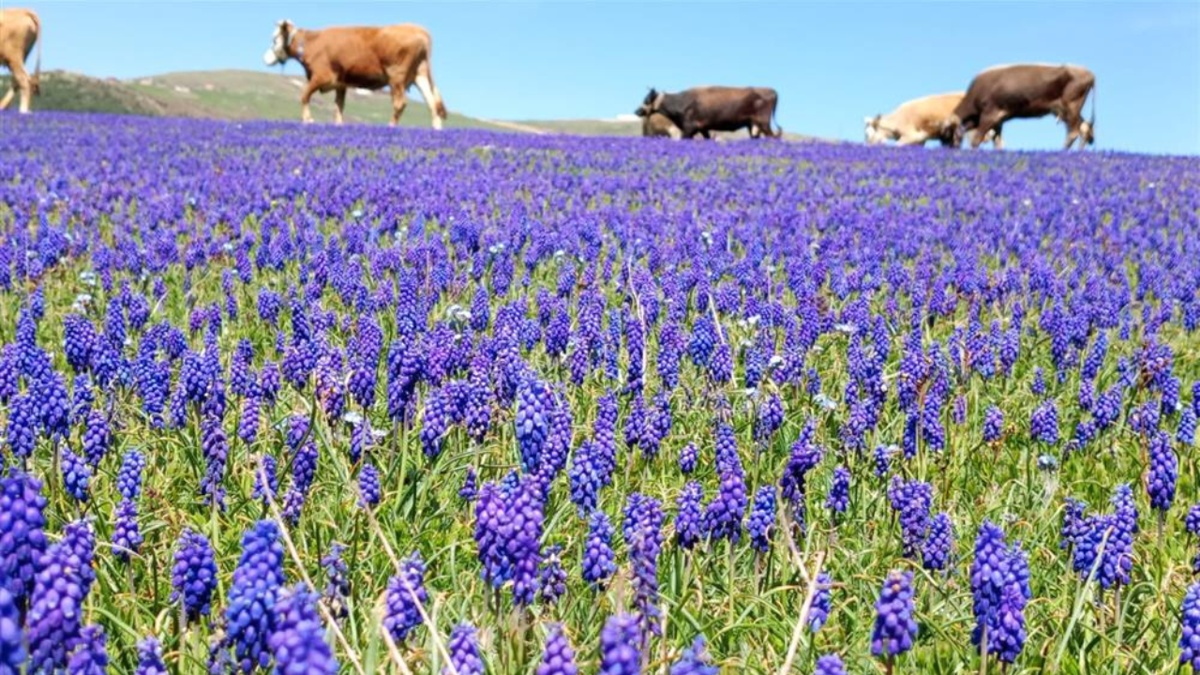
An expert report cited by the court found that the project site is classified as pastureland and contains registered cultural assets. It also described the plateau as an area of high ecological sensitivity.
The court noted that the project introduction file lacked site-specific meteorological, geological and hydrological data. The proposed mitigation measures were found to be technically inadequate.
The court concluded that the planned mine could cause damage that would be difficult to remedy and that the EIA approval was unlawful.
The court order is final, with no possibility of an appeal to a higher court.
The lawsuit
The Environment, Urbanization and Climate Change Ministry issued the EIA approval on Mar 6.
In response, local residents and the Ordu Environmental Association (ORÇEV) filed a lawsuit demanding its reversal.
The plaintiffs argued that opinions from institutions including the Energy Market Regulatory Authority (EPDK) and Kabadüz Municipality had not been properly obtained during the EIA process.
They also said the project site was in a landslide-prone area, that water resources would be affected and that flora and fauna studies had been copied from the literature without fieldwork. They further argued that the site was a plateau actively used by local residents.
The expert report underpinning the court ruling listed several reasons why mining should not proceed in the area.
New forestry regulation eases rules for mining, lifts reforestation requirement
'The court took a very clear position'
ORÇEV's Ertuğrul Gazi Gönül said the association received the ruling yesterday.
"The court now explicitly says there is no avenue for appeal. The court has taken a very clear position here. The site inspection report already provides a very clear basis for that," he told bianet.
Gönül described the importance of the area to local residents:
"Çambaşı Plateau has a history of 150 to 200 years. For generations, people in Ordu have moved from the city to Çambaşı Plateau.
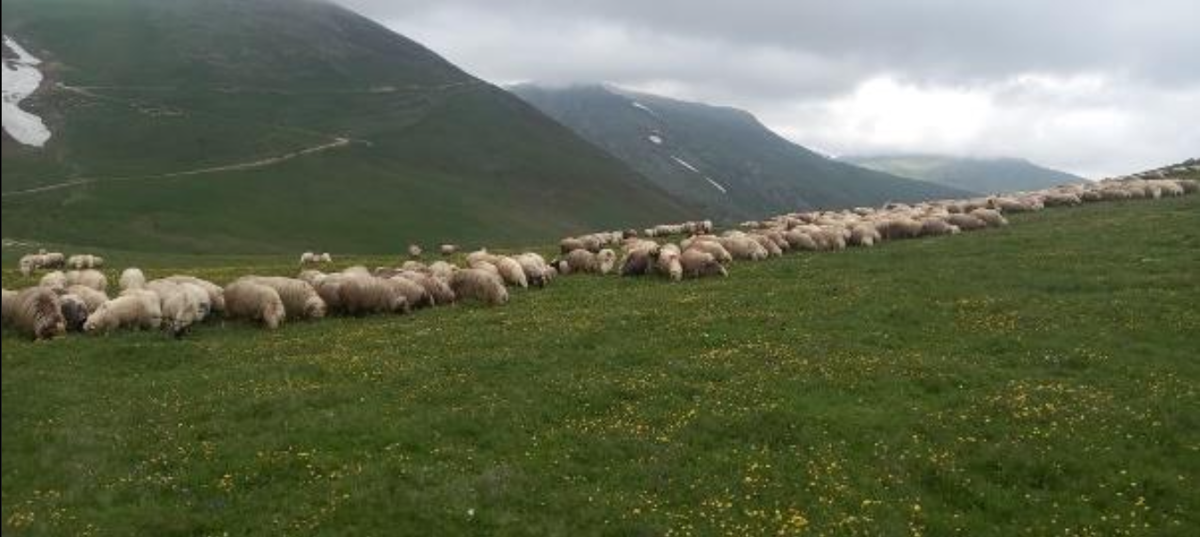
"Everyone practices transhumance there. They take their animals there to graze. Livestock farming is carried out there, and everyone has a house on the plateau.
"It also has historical importance. There is a mosque and cultural heritage at the site inspected in connection with the case."
Olive groves turned into mining fields overnight: 'This is not just an environmental issue'
Cultural heritage
The nine-member expert panel also documented cultural heritage in the project area.
The expert report said 102 preserved graves had been identified. Including graves believed to have been damaged, the original number was estimated at between 105 and 110.
"The graves reflect the traditional rural Muslim burial typology. There is also a mosque or prayer room near the cemetery featuring traditional plateau architecture," the report said.
"Based on their architectural characteristics, the cemetery and the mosque or prayer room may be dated to the Late Ottoman period. Local residents describe the graves as those of martyrs."
Turkey's fast-tracked mining expansion threatens archaeological heritage
Potential damage to wetlands
Gönül said the project area contains wetlands that could suffer serious damage:
"These are pasture areas. In places officially designated as pastureland, a decision by the Pasture Board is required. There is no such decision here. This was one of our objections.
"In general, projects carried out on Black Sea plateaus do not have these Pasture Board decisions."
The expert report also found that the area effectively serves as a high-quality summer pasture, is actively used for livestock farming and has not been removed from pasture use by the Provincial Pasture Commission.
Most of Ordu is licensed for mining
According to a 2022 study by the TEMA Foundation based on data from the General Directorate of Mining and Petroleum Affairs (MAPEG), 74 percent of the study area covering Ordu and its surroundings was under mining licenses.
The study found that 65 percent of forestland, 76 percent of agricultural land, 64 percent of pastureland and 78 percent of settlement areas were licensed for Group IV mining.
Gönül said that hazelnuts are produced in much of the remaining land.
Turkey shifts from coal rush to 'coal dilemma,' transferring market risk to miners
Detailed findings of the expert report
- It was determined that the region poses a high risk of landslides, that the terraced slopes are unsafe, and that water sources and streams will suffer serious damage from mining activities (due to dust, tailings, and leachate).
- The project was deemed unsafe because it would increase the risks of rockfalls, rock block detachment, soil slippage, and erosion.
- The project area contains an alpine and subalpine meadow ecosystem classified as “high to very high ecological sensitivity.” It is noted that this ecosystem is extremely sensitive to external interventions due to its thin soil layer, slow soil formation, and low natural regeneration capacity.
- Activities such as topsoil removal, open-pit excavation, the construction of new roads, dust emissions, and changes to the drainage regime, as well as erosion, could result in the complete loss or fragmentation of habitats for endemic plant species.
- It was emphasized that the impacts of mining activities will not be limited to the operational phase alone but will lead to long-term and partially irreversible ecological losses.
- It was noted that the flora list in the Project Presentation Document (PPD) is inadequate, as there are actually 323 plant species in the region, 28 of which are endemic.
- During a single day of fieldwork, experts identified 30 taxa, 5 of which are endemic. It was noted that some of these species are listed as “Endangered” or “Vulnerable” on the IUCN Red List and will be directly harmed by the project.
- It was stated that it is technically impossible to restore the deep, terraced open-pit mine pit resulting from the activity to its original state simply by spreading topsoil.
- It was noted that the project has the potential to harm stream systems. It was deemed unlikely that these hydrological risks could be prevented using the methods outlined in the EIA report.
- The mine could disrupt the integrity of pastures and animal migration routes, posing a life-threatening danger to grazing animals.
- The temporary storage of the resulting waste rock in the topsoil storage area designated for rehabilitation was deemed technically unsuitable.
- The failure to include calculations of the noise and dust generated by the hydraulic breakers to be used in the removal of hard rock in the EIA report was considered a significant omission."
(CA/VK)