





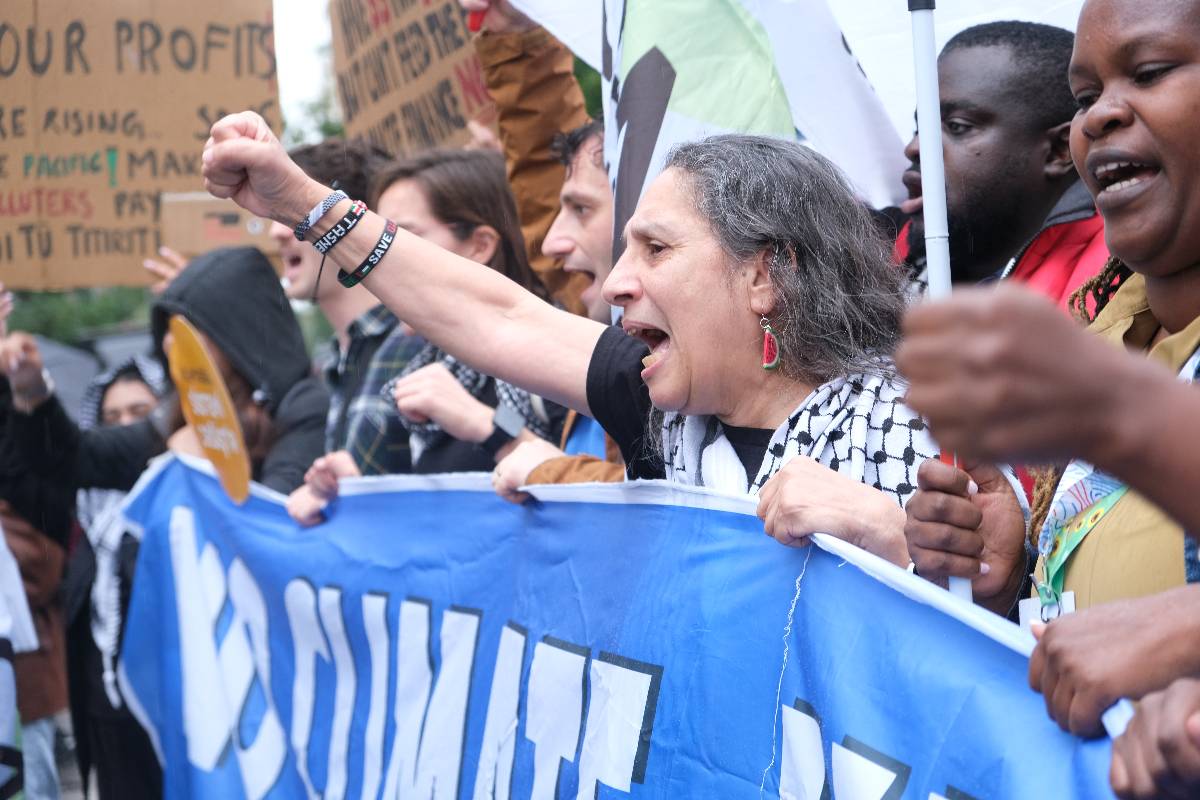



The 31st United Nations Climate Change Conference (COP31) in Antalya ended after more than two weeks of negotiations without agreement on a main outcome document. In a statement, the People’s Climate Summit organizers said, "Governments that have avoided even mentioning fossil fuels, the primary cause of the climate crisis, in negotiating texts have once again failed to deliver decisions that would safeguard people’s lives and the future of the planet."
The statement stressed that governments’ failure to fulfill their responsibilities cannot be dismissed as a mere failure of negotiations at a time when floods, droughts, wildfires, extreme heat, and food and water crises threaten millions of lives worldwide:
This is the result of deliberate political choices that prioritize states’ political and economic interests over people and nature. Failure to take the necessary steps toward genuine solutions to the climate crisis constitutes a violation of fundamental human rights, above all the right to life.
States, governments, and corporate interests that refuse to take the necessary action are directly responsible for these violations and destruction. Those responsible must be held accountable and stop making people and nature pay the price for the devastation they have caused. As the People’s Climate Summit (HİZ), we reject COP31’s refusal to take responsibility and its outcomes.
Governments directly responsible for this destruction must end their complicity in this crime and immediately fulfill their obligations to address the climate crisis.
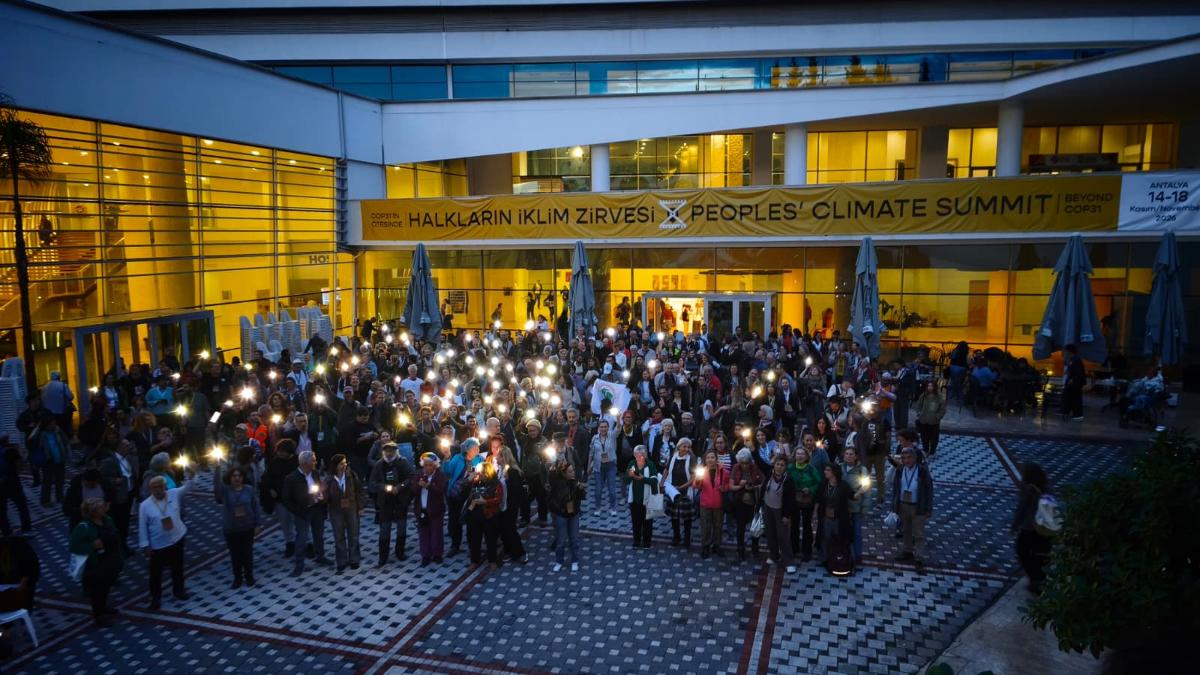
An 'undemocratic' approach to governance at COP31
The statement noted that not only the substance of climate policies but also the decision-making process itself had become a major point of contention at COP31. It said the circulation of draft outcome documents around midnight and in the early hours of the morning had made it difficult for countries to participate effectively in negotiations.
HİZ described the incident as "a reflection within the COP31 presidency of the undemocratic approach to governance that has manifested itself in Turkey for years through restrictions on freedom of expression and association, the weakening of democratic participation mechanisms, the criminalization of environmental activism, and decisions concerning people’s living environments being imposed against their will":
This approach, which suppresses dissent at home and disregards the right of different segments of society to have a say in decision-making, must end both domestically and in international negotiations.
'False technological solutions prolong the life of the fossil fuel industry'
The HİZ statement addressed the provisions on carbon capture technologies included in successive draft texts released on Nov 16 and 19 during COP31:
In the first draft overarching decision presented on Nov 16:
- Carbon dioxide removal was described as necessary to bring global warming back below 1.5°C,
- The urgent and rapid deployment of carbon capture, utilization and storage technologies was endorsed,
- Capacity targets amounting to billions of tons were set for these technologies by 2035.
In the second draft released on Nov 19
- All references to fossil fuels were removed.
- The provision endorsing the urgent and rapid deployment of carbon capture, utilization and storage technologies was retained.
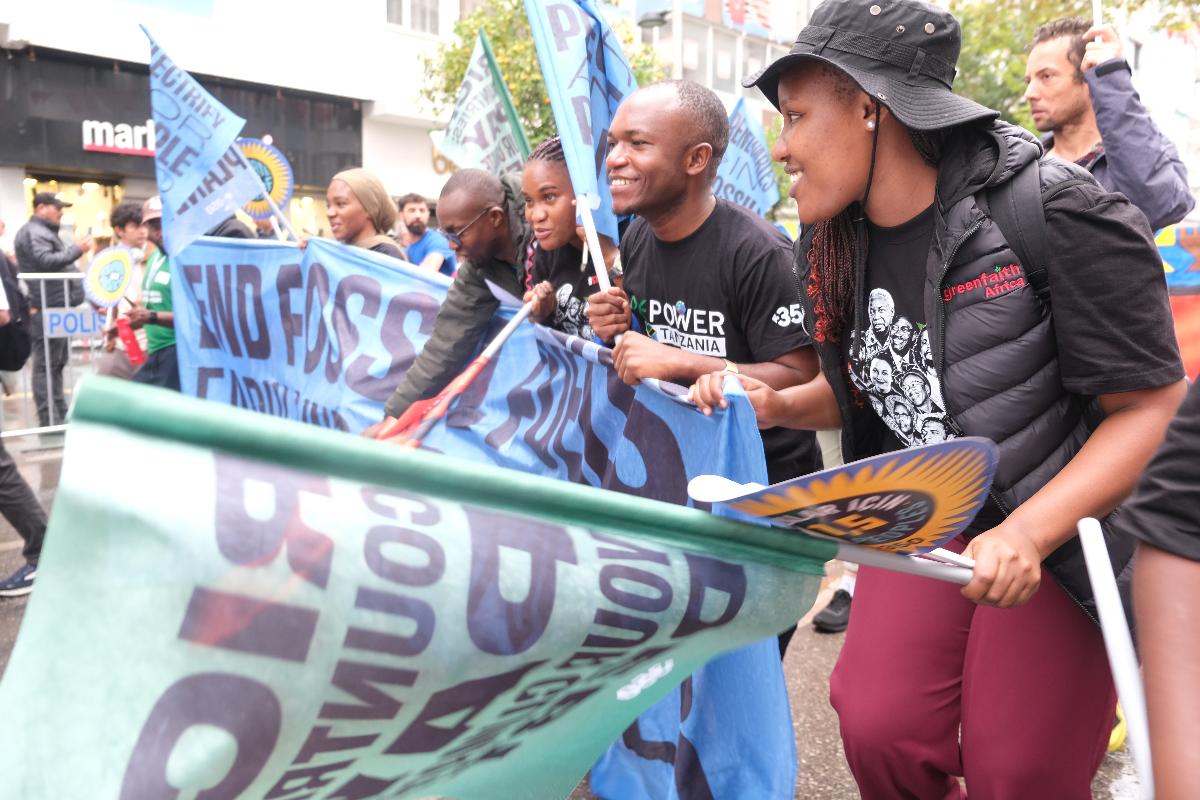
The HİZ organizers say this was no coincidence:
Despite calls from 126 countries to remove the provision on carbon capture and storage, the presidency merely softened its wording in the final draft rather than removing it altogether.
Putting costly, energy- and resource-intensive technologies that have yet to be proven viable at the required scale at the center of climate policy gives governments and polluting companies new excuses to evade their obligations to deliver genuine emissions reductions.
The assumption that carbon released into the atmosphere today can be removed through future technological interventions must no longer be used to justify opening new oil and gas fields, keeping coal-fired power plants operational, or expanding fossil fuel investments.
Relying on uncertain future technologies to deliver the emissions reductions that governments are obliged to achieve today is not a solution to the climate crisis. It is a means of deferring their responsibilities and protecting the interests of the fossil fuel industry.
The future of people and the planet cannot be gambled on corporate promises of technological breakthroughs. Meanwhile, market-based practices developed under the guise of carbon markets, emissions trading, carbon offsetting mechanisms, and nature-based solutions are turning nature and life itself into new objects of financial speculation.
Forests, soils, wetlands, and other ecosystems cannot be reduced to carbon credits that companies purchase to continue polluting. Similarly, electrification policies that do not ensure a complete phaseout of fossil fuels cannot resolve the climate crisis.
Technology cannot substitute for genuine emissions reductions. Climate negotiations must focus on how to phase out fossil fuels, not how to prolong their use. Resolving the climate crisis requires keeping fossil fuels in the ground, reducing energy and resource consumption, and fundamentally transforming systems of production and consumption.
HİZ: The Global North must pay its climate debt
The statement said Global North countries, whose historical emissions and economic systems built on colonialism and resource exploitation have driven the world into the current climate crisis, had once again evaded their responsibilities:
The demand from Global South countries to increase annual climate adaptation financing to 120 billion dollars by 2035 went unmet, while funding to address loss and damage fell far short of what was needed. Rather than increasing public climate finance, the emphasis was placed on access to existing funds, private sector investment, and alternative financing mechanisms.
The fact that Global North negotiators, particularly the European Union, objected to the draft overarching decision because it contained no fossil fuel phaseout target and was inconsistent with scientific evidence does not mean they have fulfilled their own climate responsibilities.
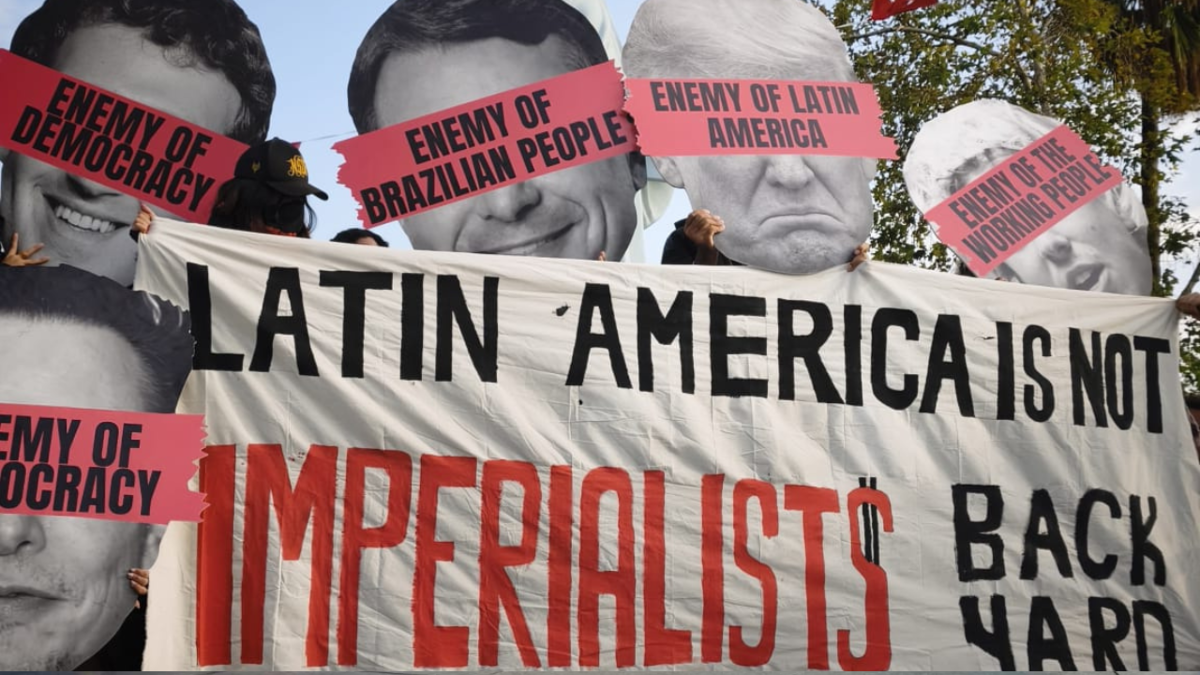
The HİZ organizers said the COP31 presidency had adopted a position that protected the interests of the fossil fuel industry. This, they said, allowed Global North countries to invoke science and fossil fuel phaseout rhetoric to portray themselves as climate leaders while sidelining their historical responsibilities regarding climate finance:
Advocating a fossil fuel phaseout while resisting demands for the public climate finance that would make such a transition possible in the Global South is not climate justice advocacy. It is political hypocrisy.
'No money for climate justice, but half a billion dollars for a two-week summit!'
Research based on records from Turkey’s Electronic Public Procurement Platform (EKAP) had revealed that, as early as Sep 2026, the value of tenders and contracts related to the country’s COP31 preparations had exceeded 25 billion liras (approximately 500 million dollars). Recalling this figure, the HİZ organizers said, "Only 50.2 million dollars in new funding was pledged at COP31 to support climate adaptation in Global South countries. The value of tenders and contracts related to summit preparations in the host country alone amounted to approximately ten times the new funding pledged to the Adaptation Fund":
The true face of governments that claim there is 'no money' when it comes to climate finance has once again been exposed. The Turkish government must provide an itemized breakdown of all public expenditure, tenders, and contracts related to COP31 and be held accountable to the public.
Stressing that the problem was not a lack of resources but political priorities, the HİZ organizers said, "We emphasize the urgent need to redirect public resources allocated to the war industry, which threatens people’s lives, toward climate justice, public services, and ecological restoration."

'People’s rights and a just transition are non-negotiable'
The HİZ organizers said the postponement until COP32 of key decisions on the operation of the Just Transition Mechanism, whose establishment was agreed at COP30 in Belém, demonstrated that the social dimension of tackling the climate crisis had once again been overlooked. They stressed that these issues were non-negotiable:
No transition can be just unless workers’ job and income security and trade union rights are protected, local communities’ livelihoods are safeguarded, and their effective participation in decision-making is ensured.
No climate policy can deliver climate justice unless it puts the rights of women, LGBTI+s, Indigenous and ancestral peoples, peasants, workers, young people, children, people with disabilities, migrants, and the urban poor at its center.
Attempts at COP31 to roll back previously agreed language on gender equality, efforts to narrow the scope of gender-responsive climate policies, and the failure to adopt an action plan aimed at strengthening climate education, access to information, and public participation have once again exposed the shortcomings of COP processes in terms of rights and democracy.
The statement said that opening doors to polluters while shutting out those defending life was a clear indication of whose interests the COP processes prioritized:
COP31 opened its doors to 103 major polluting companies and industry associations, including 60 fossil fuel industry representatives. The number of lobbyists advocating for carbon capture and storage technologies alone reached a record 700.
It is unacceptable that those responsible for the climate crisis are given such extensive representation and opportunities to lobby while climate activists and human rights defenders face restrictions on their freedom of expression and their rights to organize and protest peacefully.
'COP meetings perpetuate the causes of the crisis instead of eliminating them'
"Although COP meetings have been held for more than 30 years under the premise of providing a mechanism to resolve the climate crisis, their current structure perpetuates the causes of the crisis rather than eliminating them," the HİZ statement said, outlining the following criticisms of the COP process:
For years, COP processes have prioritized:
- Finding new ways to extract and use fossil fuels rather than keeping them in the ground;
- 'Net zero' rhetoric, carbon offsetting and compensation mechanisms rather than absolute emissions reductions;
- Voluntary pledges and delays rather than fair and binding decisions;
- The financialization of nature rather than public climate finance;
- Corporate lobbyists and sponsors rather than the voices of the people.
Despite the talk of a 'historic summit' we hear every year, COP meetings have failed to establish a binding timeline for phasing out fossil fuels, while global greenhouse gas emissions have continued to rise. The final draft of the Antalya Pact, which was not adopted at COP31, did not even explicitly mention a fossil fuel phaseout. Nor were decisions consistent with scientific evidence taken in the face of the risk of global warming exceeding the 1.5°C limit.
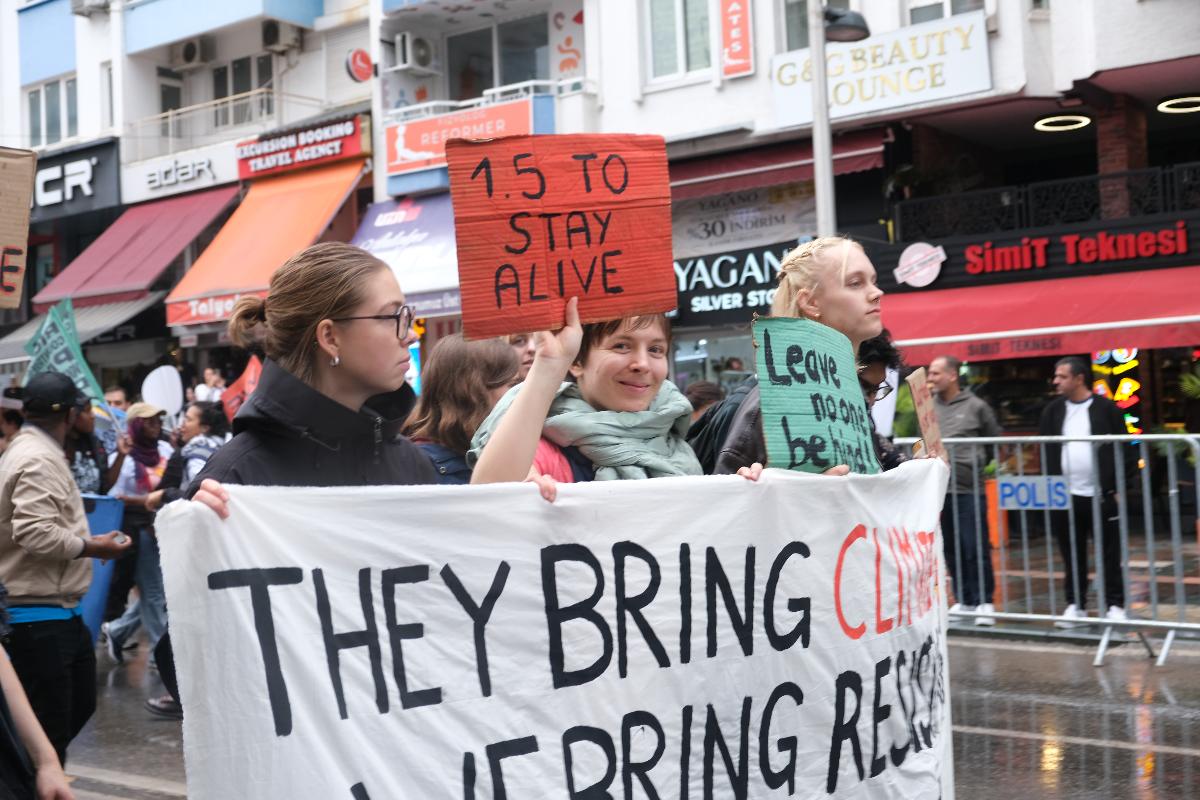
Noting that objections from Saudi Arabia and Russia had also led to the postponement until 2027 of a decision on the continuation of the Mitigation Work Programme, HİZ said, "Every year, on a stage set up in a different country, the same promises are made, the same responsibilities are evaded, and the same critical decisions are postponed":
In their current form, COP meetings have become theatrical trade fairs that provide a platform for fossil fuel lobbyists and proponents of false solutions, allow governments to showcase their hypocritical climate policies, and enable corporations to engage in greenwashing.
At a press conference held during COP31 on Nov 18, Panama’s Environment Minister Juan Carlos Navarro declared that the world had been "taken hostage by the oil mafia." Comparing governments’ dependence on fossil fuels to Stockholm syndrome, he said, "We have fallen in love with our captors." Climate justice cannot be expected from a mechanism in which those responsible for the climate crisis can dictate, obstruct, and shape decisions on resolving it to serve their own interests.
The People’s Climate Summit organizers also called for the establishment of a democratic International Climate Council within the UN to achieve genuine climate justice. The council would have no permanent membership or veto privileges and would be empowered to make binding decisions based on scientific evidence and impose sanctions.
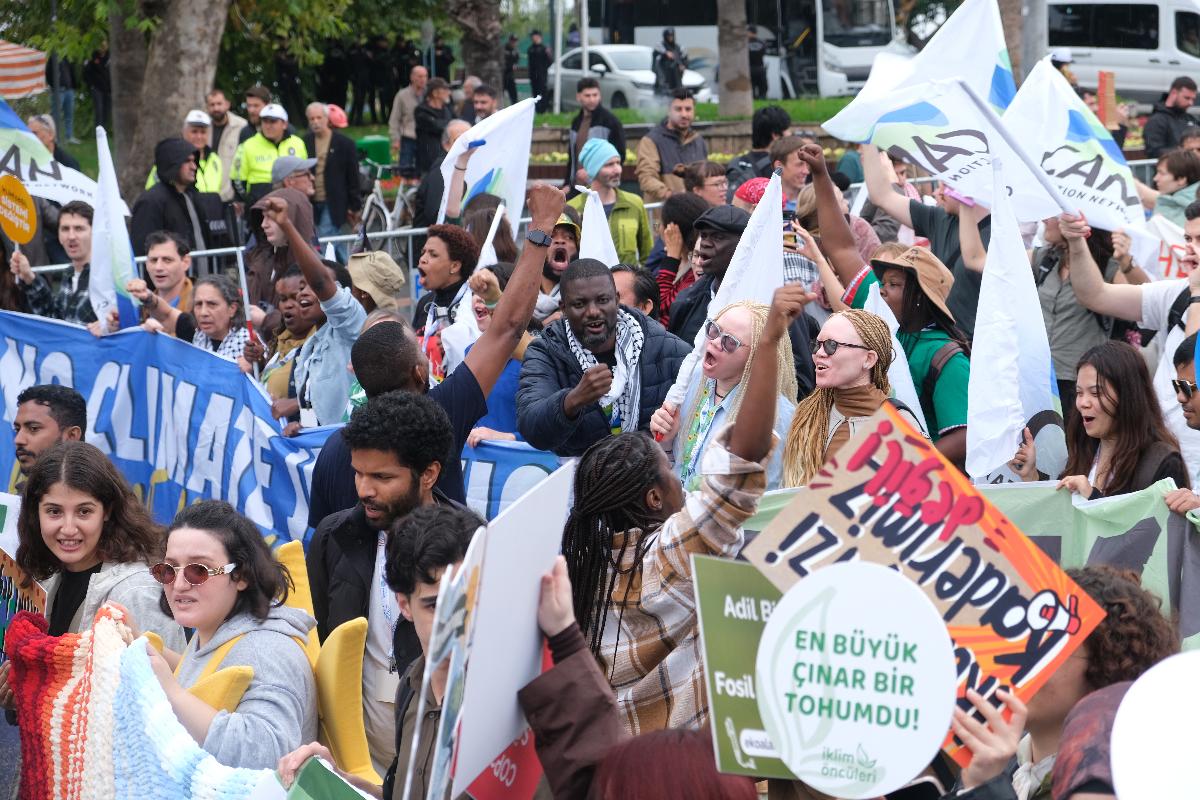
Climate justice in Turkey can only be achieved by halting ecological destruction, closing thermal power plants, and announcing a coal phaseout timeline.
The statement identified one of the summit’s fundamental contradictions as the fact that both Turkey, which hosted COP31, and Australia, which oversaw the negotiations, continue to produce and invest in fossil fuels. It listed the steps Turkey must take immediately:
● A clear, binding timeline for shutting down coal-fired power plants and completely phasing out coal must be announced immediately. It must be consistent with scientific evidence and include closure dates for individual plants.
● New coal-fired power plant and coal mine projects must be canceled, and plans to expand the capacity or extend the operating lifespan of existing facilities must be halted.
● Ecocide must be defined as a crime under national law. Legislation enabling the prosecution of those politically and economically responsible for ecological destruction must be enacted, and policies of impunity must end. Turkey must support initiatives to recognize ecocide as an international crime and become a party to the Rome Statute.
● New oil and fossil gas exploration and extraction activities must cease, and public subsidies and purchase guarantees provided to the fossil fuel industry must be abolished.
● Just transition plans that prioritize the rights, income security, and employment guarantees of workers and local communities in coal regions must be developed with the direct participation of trade unions and affected communities.
● The health problems, environmental damage, and economic losses caused by thermal power plants and mining activities must be documented. Those responsible must be held accountable, compensation must be provided, and damaged ecosystems must be restored.
● Turkey’s national emissions reduction targets must be aligned with the 1.5°C limit. Energy policies must be restructured around energy democracy, the public interest, and ecological limits.
● The sacrifice of nature, agricultural land, forests, and water resources for corporate interests through mining, nuclear energy, and other energy projects must end.
● Provisions that pave the way for ecological destruction must be repealed, particularly those contained in Law No. 7554 Amending Certain Laws, the Mining Law, legislation governing energy investments, and all other regulations that subordinate nature to corporate interests. They must be replaced with legislation developed through direct public participation and grounded in the rights of nature, ecological integrity, people’s right to life, and the genuine public interest.
● To ensure that no project can proceed without the free, prior, and informed consent of local communities, Turkey must immediately become a party to the Aarhus Convention, sign the UN Declaration on the Rights of Peasants (UNDROP), and incorporate it into domestic law.
● Repression of environmental and human rights defenders must end. People’s rights to access information, organize, raise objections, and participate in decision-making must be guaranteed."
'We are watching, holding governments to account, and turning people’s demands into action!'
HİZ also said it would continue to closely monitor the climate policies, international commitments, fossil fuel investments, incentives for polluting companies, and climate finance obligations of all governments, particularly Turkey’s.
Ecocide must be recognized under the Rome Statute as the fifth international crime, applicable in both war and peacetime. Political decision-makers and corporate executives must be held accountable under international law.
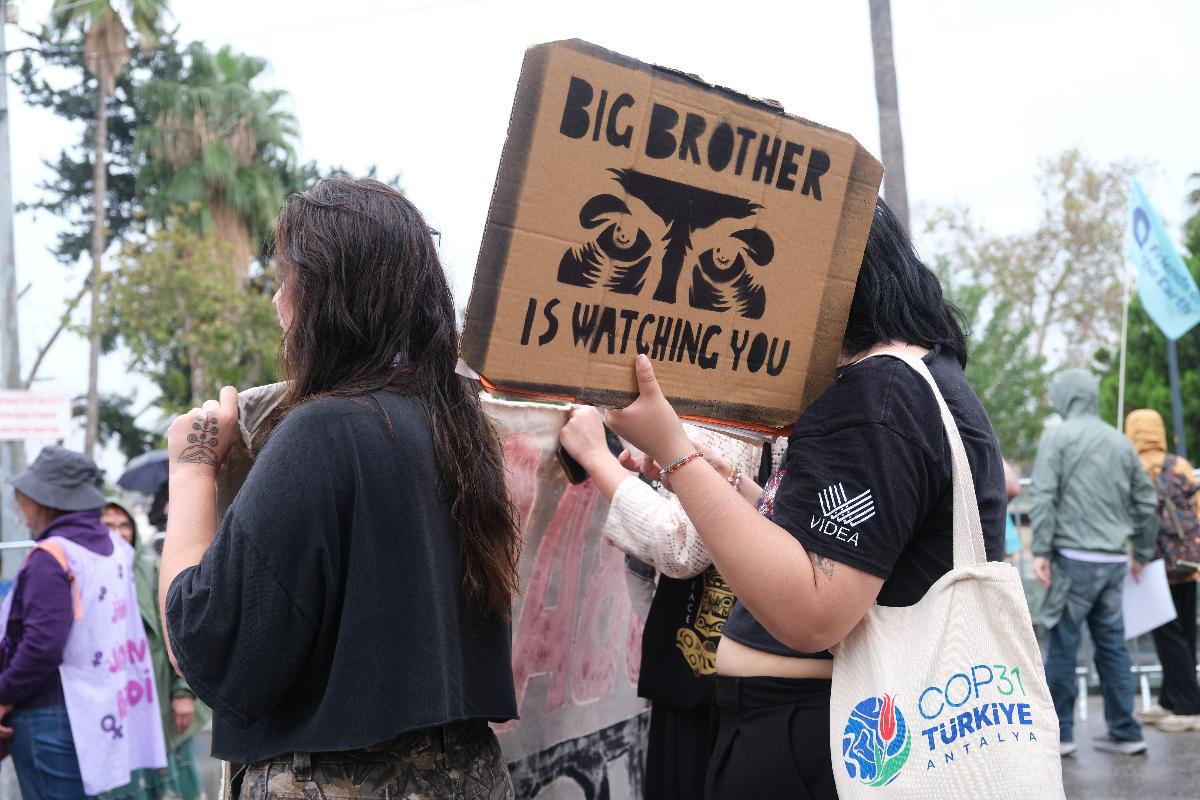
The struggle for climate justice from Antalya to Addis Ababa
The HİZ organizers said they had organized the People’s Climate Summit precisely to prevent the failure now unfolding, amplify the demands of people overlooked in official negotiations, expose the root causes of the climate crisis, and collectively develop genuine solutions. They pointed to Glasgow and Belém, which hosted previous People’s Climate Summits, and pledged to continue their solidarity at COP32 and contribute to the next summit:
We now want to extend this solidarity to Ethiopia, which will host COP32 in 2027, and across the African continent. From Antalya, we send our greetings of solidarity to the peoples of Ethiopia, Africa’s climate and environmental movements, Indigenous and ancestral peoples, women’s and LGBTI+ organizations, trade unions, labor movements, rights organizations, peasants, young people, and all communities fighting for the right to the city.
We see the struggle for climate justice of African peoples as inseparable from our own. They have suffered the devastating consequences of colonialism, resource exploitation, and global economic inequality, and despite bearing the least historical responsibility for the climate crisis, they have been left to face its most severe consequences.
(CA/VK)

