





.jpg)



Photo: AA
Click to read the article in Turkish
Clashes have resumed in Nagorno-Karabakh as both Baku and Yerevan have accused each other of violating the ceasefire agreement reached on November 10.
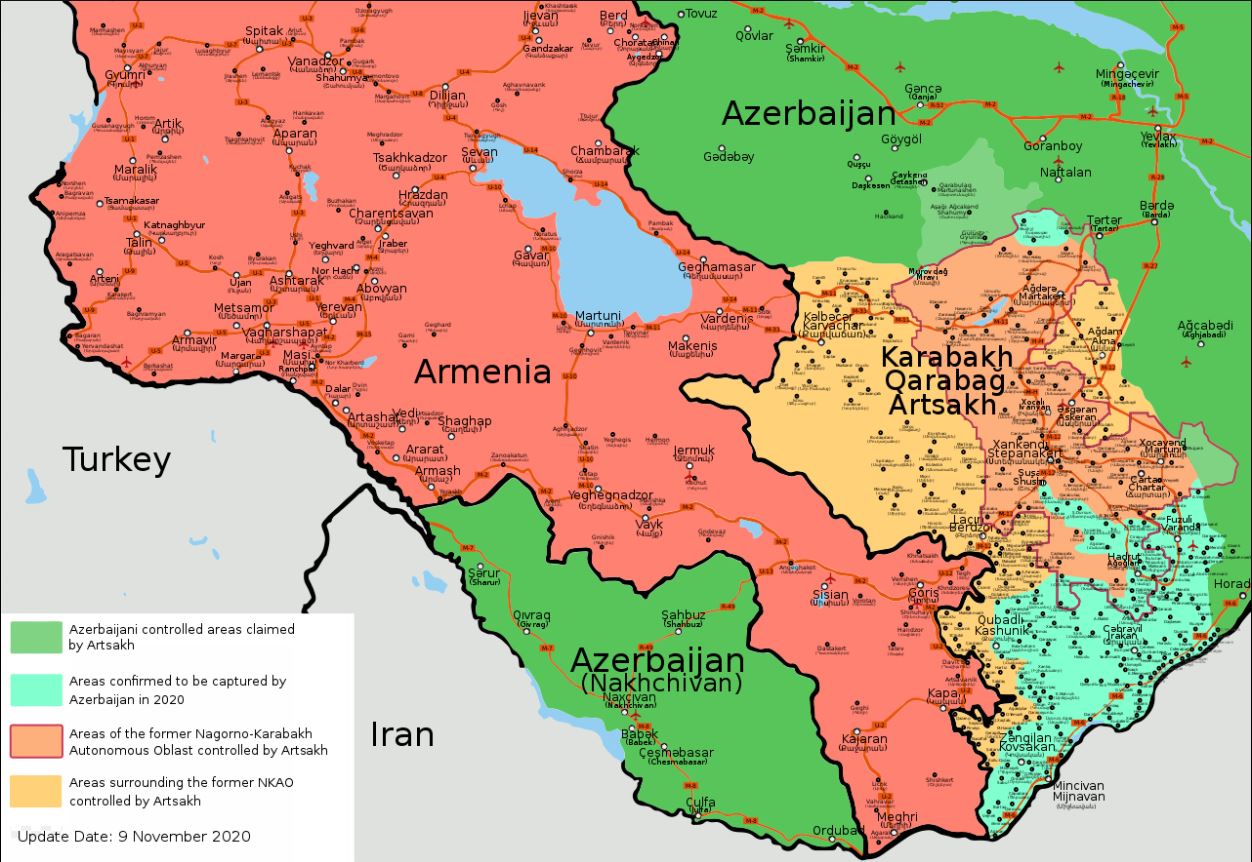
Azerbaijan's Defense Ministry and the State Security Service said in a joint statement that they lost four soldiers in the past week and some of Armenia's soldiers remained in the forest area of Hocavend province despite agreeing to withdraw, according to a report by Turkey's state-run Anadolu Agency.
The press release said Baku met all the conditions for the withdrawal of all armed groups, and Russia as well asked them to leave the Hadrut area through loudspeakers.
Instead of leaving the region, Armenia's forces have fortified their positions, and are attacking both Azerbaijani soldiers and civilians, said Baku.
Armenia attacked Azerbaijan's soldiers in Hocavend's Sur village, killing three soldiers and wounding two civilians, the statement said.
Armenia also said that it was attacked by Azerbaijan and six of its soldiers were wounded, BBC reported.
It accused Azerbaijan of attempting to capture Hadrut.
According to the agreement, Russia's soldiers will be deployed to Hadrut area, which was under the control of the de facto administration in Nagorno-Karabakh.
What happened?
On September 27, clashes erupted between Armenia and Azerbaijan in the disputed territory of Nagorno-Karabakh, or Upper Karabakh. As Azerbaijan advanced in some parts of the region, several attempts to secure a ceasefire failed. While thousands of people have been reportedly displaced during the conflict, Azerbaijan's second-largest city, Ganja, was hit by ballistic missiles four times in October. Dozens were killed and hundreds were wounded in the attacks. On November 9, Azerbaijan took the control of Shusha, a major city in the Karabakh region. One day later, Baku and Yerevan signed a Russia-brokered agreement to end the fighting and work towards a comprehensive solution. About the Nagorno-Karabakh dispute
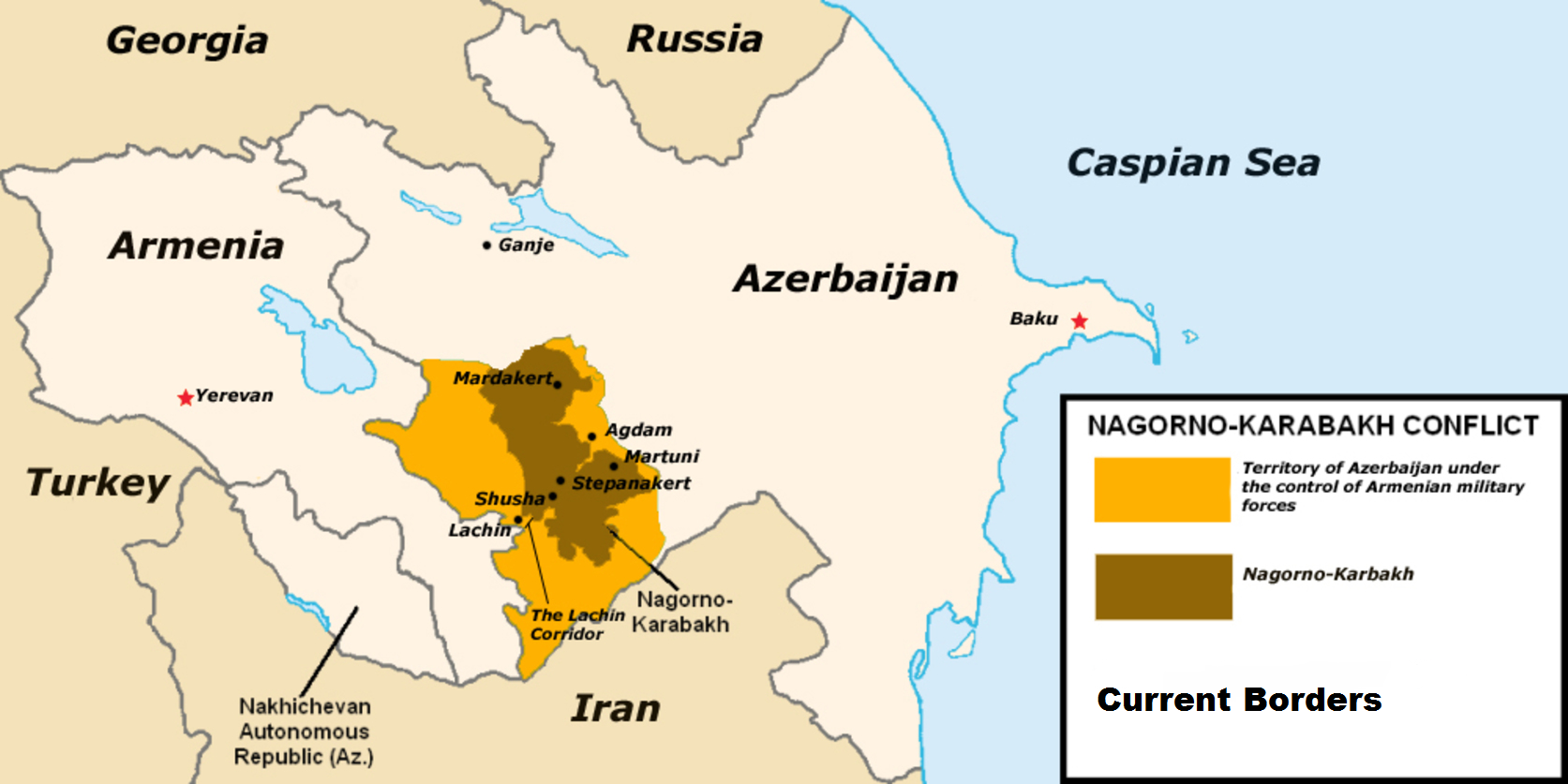
Nagorno-Karabakh is a mountainous region of approximately 4,400 square kilometers in the Caucasus between Armenia and Azerbaijan. Relations between the two former Soviet countries have been tense since 1989 over Nagorno-Karabakh, or Upper Karabakh, an internationally recognized territory of Azerbaijan populated mostly by Armenians. In 1989, the parliament of Azerbaijan removed Nagorno-Karabakh's autonomous status, which had been in place since 1923. During the dissolution of the Soviet Union, Armenia began military operations into Nagorno-Karabakh in 1991. In the same year, the separatist administration in Nagorno-Karabakh declared independence. The Azeri people of the region had boycotted the independence referendum. The independence of the Nagorno-Karabakh, or Artsakh republic, is not recognized by any United Nations member state, including Armenia. Four UN Security Council and two UN General Assembly resolutions as well as many international organizations demand the withdrawal of the occupying forces. The OSCE Minsk Group – co-chaired by France, Russia and the US – was formed in 1992 to find a peaceful solution to the conflict. A cease-fire was agreed upon in 1994. France, Russia and NATO, among others, have urged an immediate halt to clashes in the occupied region. During the conflict between 1988-1994, about one million people were displaced and 30,000 were killed. |
(PT/VK)