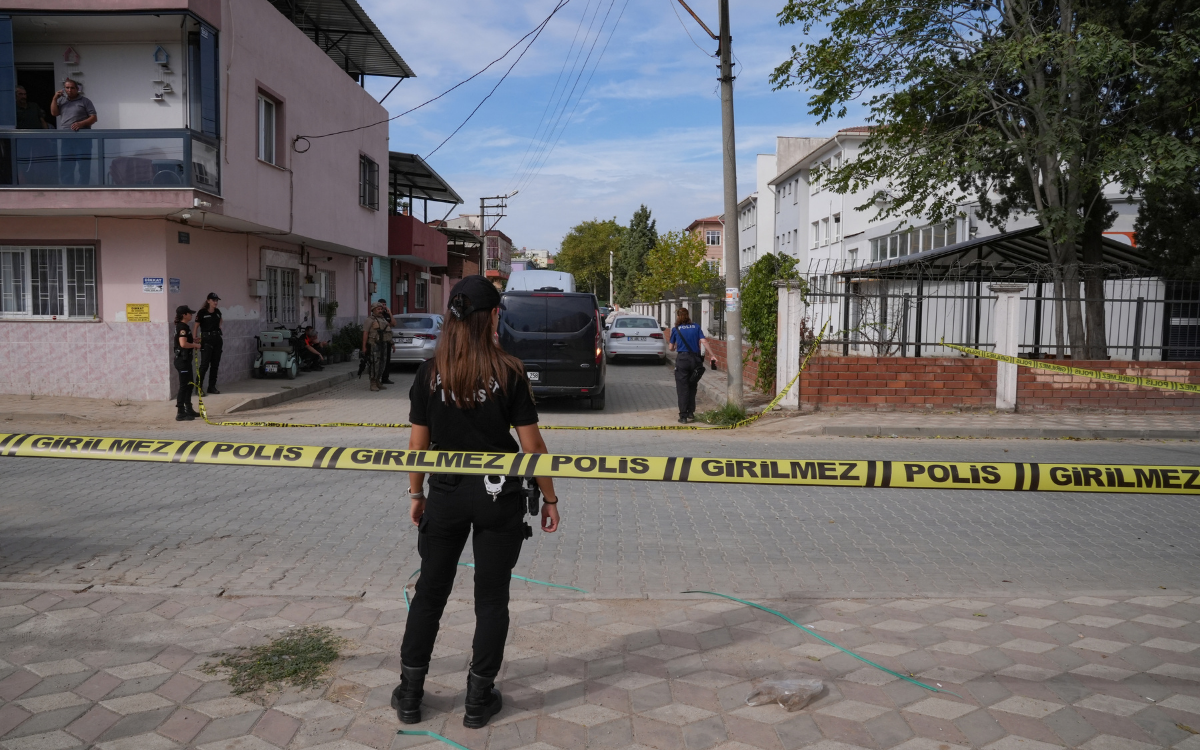











At least 37 children were detained in Turkey’s southeastern province of Şırnak between Jan 8 and 27 during police operations targeting protests against the Syrian interim government’s military offensive on Kurdish-led regions in the country's north and east.
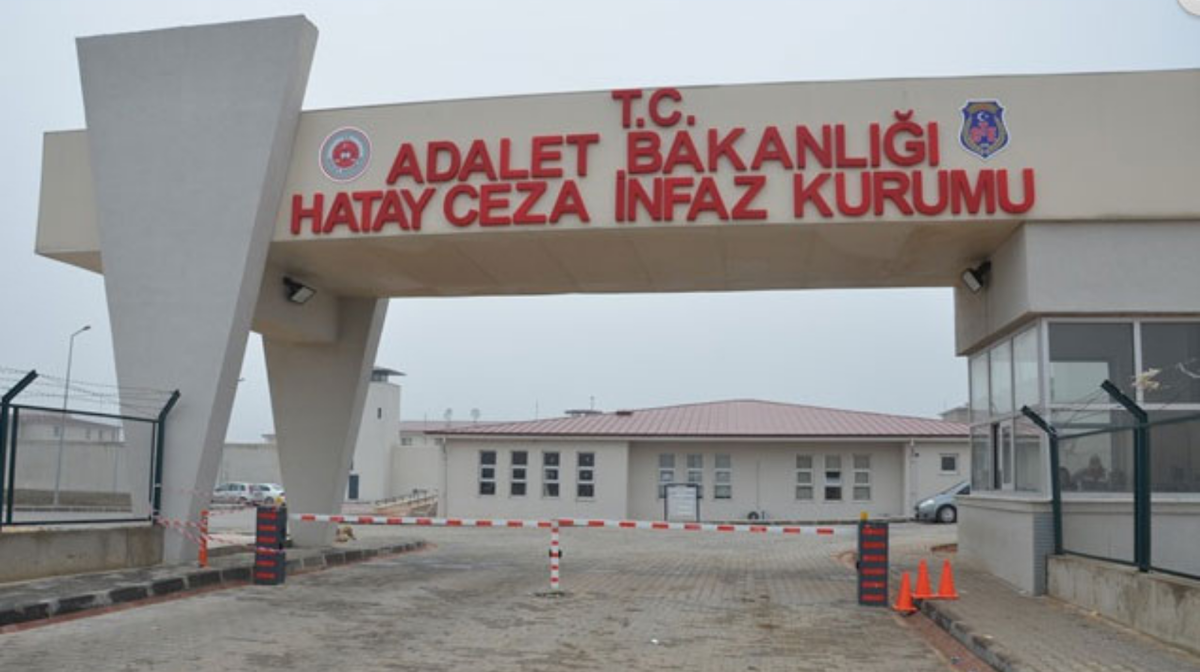
The protests were met with home raids, leading to the arrest of dozens of minors aged 15 to 17. Twelve of them were later sent to the Hatay Juvenile and Youth Closed Prison, located about 700 kilometers away from their hometown.
Newroz Uysal Aslan, a Şırnak MP from the pro-Kurdish Peoples’ Equality and Democracy (DEM) Party, filed an official complaint with the parliament’s Human Rights Investigation Commission, calling for an on-site investigation into allegations of torture and mistreatment at the Hatay juvenile facility.
Court denies release of 16-year-old girl detained over hair-braiding protest posts
Forced signatures and degrading treatment
According to the petition, some children reported being subjected to physical violence during their arrest. Several also claimed they were forced to sign documents under the supervision of plainclothes officers without knowing their contents. The children’s testimonies commonly cited torture, threats, humiliation and intimidation while in custody.
The transfer process also raised concerns. Statements included claims of being confined for extended periods in poorly ventilated vehicles, being denied food, transported while handcuffed, and exposed to cigarette smoke inside the vehicles.
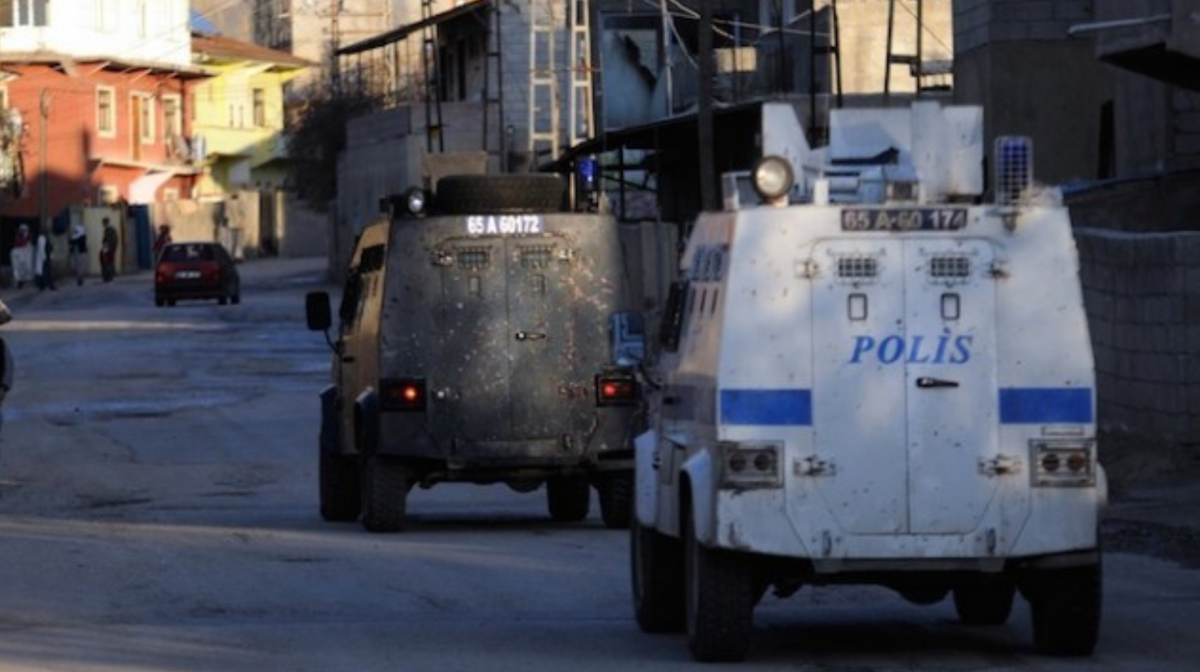
Police throw child to the ground during Rojava protest in Mardin
Some of the children said they were transferred to prisons hundreds of kilometers away from their families without consent. The petition noted that such practices negatively impacted family ties and disrupted the children’s education.
Strip searches and haircuts
The application also included reports that some children were subjected to strip searches upon entry to the prison, had their hair forcibly cut, and were physically assaulted. One child recalled that during strip searches, prison staff mocked others who were forced to repeatedly sit and stand naked.
Basic needs were reportedly unmet. Some children said they did not receive clothes or personal items sent by their families. One child had been wearing the same clothes since arrival.
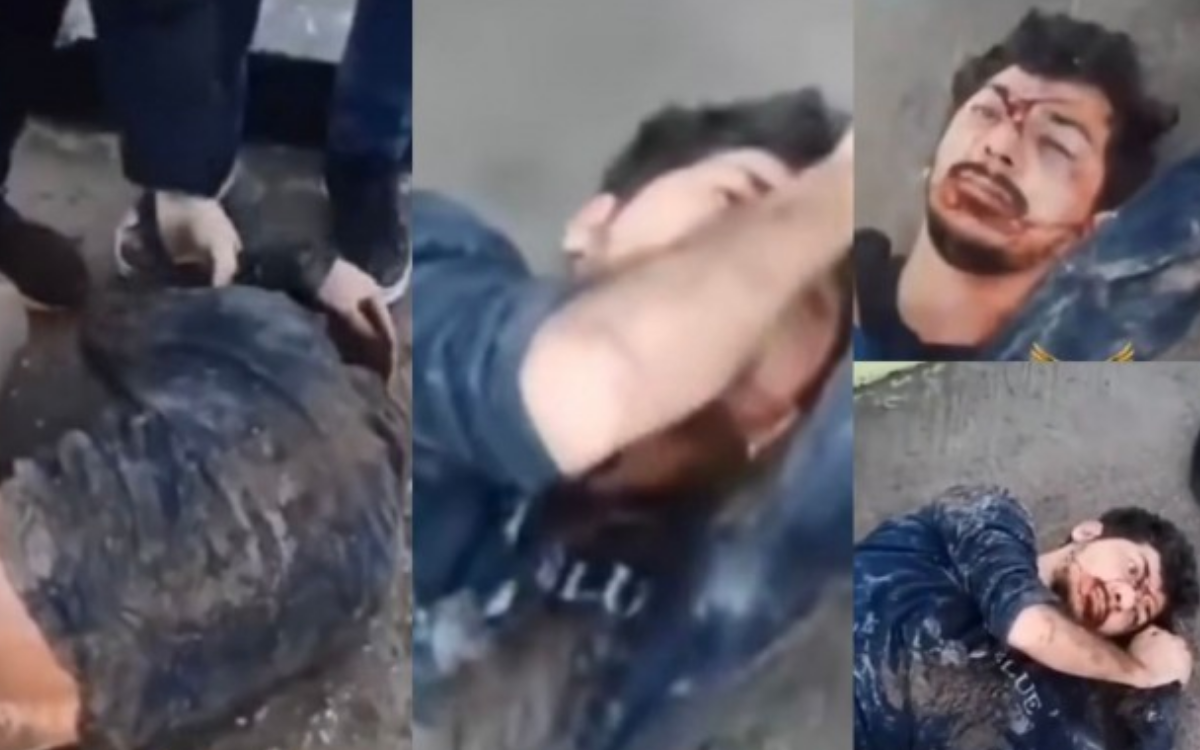
Man tortured over alleged flag removal during Rojava protests; no such charge brought in court
Regarding daily life inside the prison, the complaint cited overcrowding, with some children forced to sleep in common areas. Ventilation was said to be inadequate, and broken washing machines meant clothes had to be washed by hand. Children reportedly had access to sports activities only twice a week and lacked regular educational or social programs.
Concerns were also raised about the lack of proper psychological support. According to the testimonies, children had only one brief session with the prison psychologist, during which they were asked whether they had tattoos and were subjected to rapid-fire questioning, rather than meaningful support.
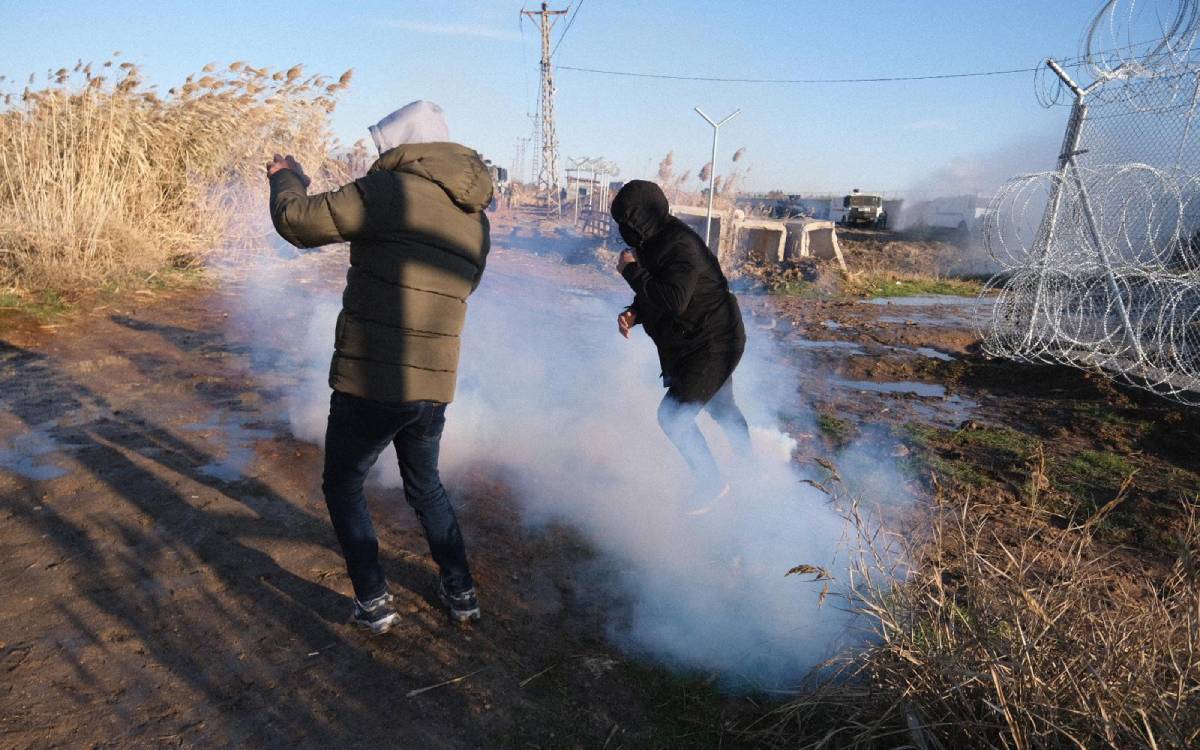
Five journalists among 22 detained in Mardin during Rojava protests
‘Allegations must be independently investigated’
In the concluding section of the complaint, Aslan emphasized that multiple children had independently described similar experiences, suggesting that the alleged violations may be systematic.
She argued that the testimonies should be evaluated in light of the Turkish Constitution, the Child Protection Law, the Criminal Procedure Code, and international conventions to which Turkey is a party.
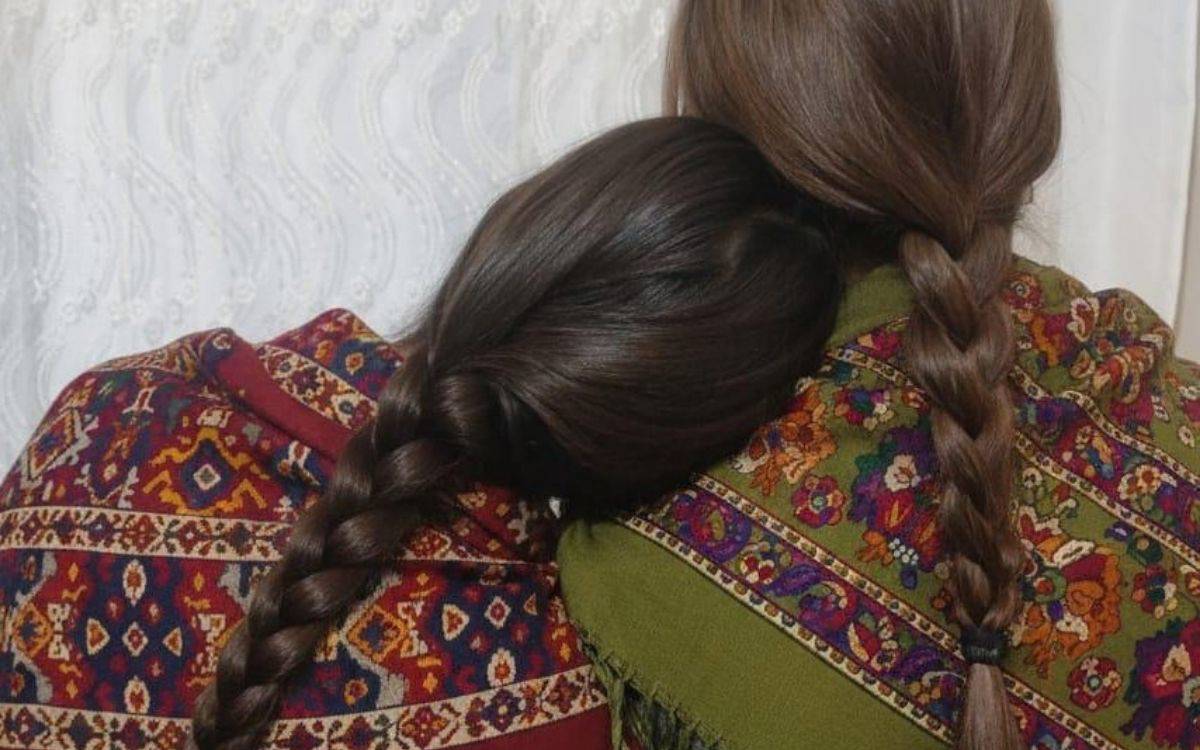
Desecration of Kurdish woman fighter's body sparks hair braiding campaign on social media
“The prohibition of torture and ill-treatment is absolute,” the petition read, underscoring the state’s legal obligation to conduct an independent and impartial investigation into the claims.
Aslan called on the parliamentary commission to investigate the arrest, transfer, and detention processes in full detail, conduct an on-site inspection, and initiate both administrative and legal action against those found responsible. (NÖ/VK)