








A historic Armenian church in the village of Arak (Kepenek) in Turkey’s eastern Muş province has fallen into neglect, despite its architectural and cultural significance, Mezopotamya Agency (MA) reports.
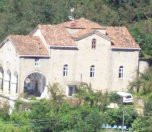
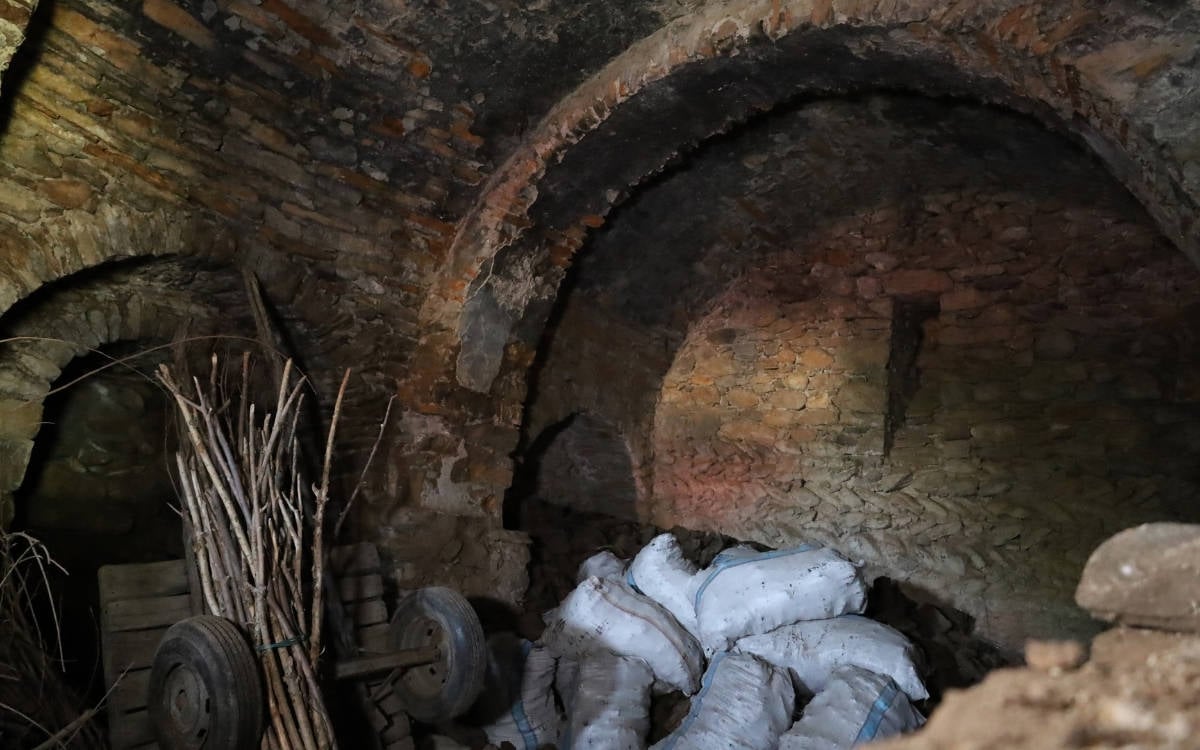
Known locally as the Arak Monastery, the Kepenek Church once served as a center of worship, education, and social life for the region’s Christian communities. Today, it is used by villagers as a storage space and woodshed.
The building’s interior no longer retains any decorative features. The plastered walls have collapsed, and most of the structure has suffered extensive damage due to lack of maintenance.
The main entrance has disappeared, and access is now through a secondary door on the northern side, added after the western facade was enclosed by a residential building.
The eastern apse, built in a semicircular layout, still shows traces of its architectural detail, but stands in a state of ruin.
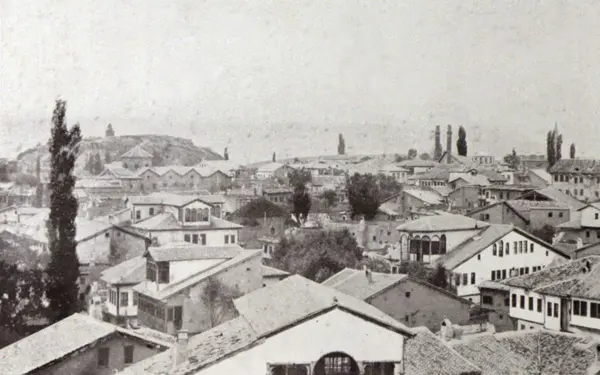
Muş and its surrounding areas were historically home to many Armenian churches, monasteries, and schools. From the Middle Ages onward, the region became a hub for the Armenian Apostolic Church.
The Kepenek Church is considered one of the rare surviving structures in the area reflecting both Roman and Sasanian influences, according to Muş Provincial Directorate of Culture and Tourism. Researchers note that the church’s rubble masonry and architectural style suggest construction during the Roman period.
Some studies indicate that Roman craftsmen may have built the church during the Sasanian era (3rd–7th centuries AD), highlighting the intersection of diverse cultures and civilizations in the region. (TY/VK)