













Central Bank Governor Fatih Karahan announced today an upward revision to Turkey’s 2026 year-end inflation forecast range, citing mounting risks and volatility in key indicators. The new projection estimates inflation between 15% and 21%, compared to the previous range of 15 to 19%.
Speaking at the bank’s first inflation report meeting of the year, Karahan clarified that the target itself remains unchanged but added, “We revised the forecast range upward due to increasing clarity around certain risks."
The decision to leave the forecast near previous levels has dampened expectations for a potential interest rate cut in March.
Karahan noted that as of January 2026, annual inflation had eased to 30.7%, adding that the disinflation process has been ongoing since June 2024. However, January’s inflation rate came close to the upper bound of the Bank’s forecast range.
Key drivers behind the revision
Karahan outlined three main factors behind the upward revision:
Technical update to the CPI basket: Adjustments to align with Eurostat standards increased the weight of services in the consumer price index. This change alone added roughly one percentage point to the inflation estimate.
Non-energy commodity prices: Assumptions regarding global non-energy commodity prices were revised upward, impacting overall projections.
Food prices: Volatility in food prices created indirect risks through inflation expectations, beyond their direct impact.
Karahan also noted that the output gap may remain slightly higher than previous projections, which could pose additional upward pressure on inflation.

Food prices continue to surge despite drop in overall inflation
'The worst will be over after February'
Food prices played a significant role in January’s elevated inflation, Karahan said, pointing specifically to a sharp increase in vegetable prices due to supply-side issues. He also cited Ramadan-related demand pressures as a contributing factor.
“We believe that the worst will be behind us once January and February are over,” Karahan said. He added that increased rainfall is expected to help bring food inflation to more reasonable levels in the coming months.
Although headline inflation may still show a slight rise in February due to food prices, Karahan expects the underlying trend to return to the low levels seen in November and December starting in March.
Rent inflation may fall to 30% by year-end
Karahan emphasized that a decline in services inflation will be key to overall disinflation in 2026. He highlighted a notable slowdown in rental inflation in particular.
Seasonally adjusted rental inflation fell from 6% at the beginning of 2025 to 3.2% in December, and further to 2.8% in January. “We project that rent inflation could decline to around 30% by the end of the year,” he said.
Karahan also pointed out that education inflation stood at 66% as of December. He argued that recent regulations discouraging indexation to past inflation will support the disinflation process.
Asked about the Central Bank’s monetary policy stance, with the policy rate currently at 37% , Karahan said, “We will proceed based on incoming data."
“The threshold for increasing the size of policy steps in the short term is relatively high,” he added, noting that adjustments were being made to policy steps to prevent temporary food shocks from affecting inflation expectations.
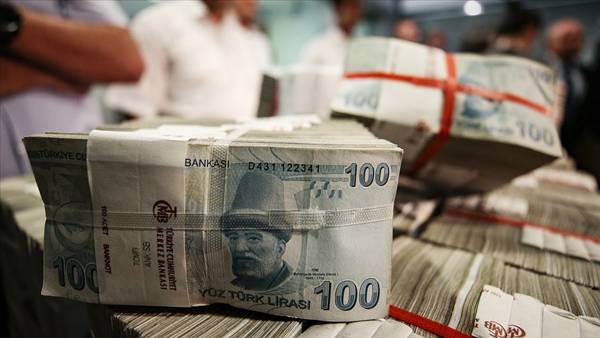
Turkey’s interest rate surpasses inflation for the first time in three years
Foreign capital flows rise
Karahan announced that international reserves have reached historic highs as a result of tight monetary policy. Since April 2025, foreign capital inflows categorized as “carry trade” have increased by approximately 18 billion US dollars, bringing the total to 40 billion dollars.
During the same period, foreign investments in equities and government bonds increased by 17 billion dollars. Karahan stated that the current level and composition of reserves are sufficient to manage potential capital movements.
Karahan also pointed to an estimated 600 billion dollars’ worth of gold held outside the formal banking system. The recent surge in gold prices may have generated an additional “wealth effect” of 100 to 200 billion dollars, he said, which could have slowed the disinflation process by supporting consumer demand. (HA/VK)

