




Nanaxaanım “Nana” Babazade, an Azerbaijani national and graduate student at İstanbul University, has been deported from Turkey after participating in a protest against increased meal prices on campus in August.
Babazade, who had been detained and transferred to a repatriation center following the demonstration, was sent back to Azerbaijan despite expressing fears for her safety there, due to both threats from her family and political pressure from the Azerbaijani government.
In a message to the Özgür Gelecek newspaper on Nov 10, Babazade confirmed that she had managed to leave Azerbaijan after her deportation and was in good condition.
Her lawyer, Ahmet Baran Çelik, told bianet that the court's decision was unusually rushed.
“A deportation order was issued for our client on Aug 23, and we filed a cancellation case at the administrative court within the legal time frame on Aug 26,” he said. “These cases typically take nearly a year. However, the case we filed for Nanaxaanım was concluded in just 48 days, on Oct 13. We want to know why a verdict was issued so quickly while older cases at the same court remain unresolved.”
Çelik said Babazade had consistently stated during the legal process that she did not want to return to Azerbaijan and that her life would be in danger there.
“She was deported to a country where she faces life-threatening risks without an assessment of a safe third country. This is in violation of both Turkish law and international agreements,” he said.
Çelik also described the manner of her deportation as inhumane.
“Our client informed us that she was not allowed to take her belongings or medication. She was deported in slippers, with her hands, feet, eyes, and mouth tied. She was taken from the Çatalca Repatriation Center in this condition and handed over to Azerbaijani authorities the same way. She was kept like this for hours, in what amounts to torture. We will pursue legal action regarding this treatment.”
Degrading treatment
Describing the moment of her deportation in her message to Özgür Gelecek, Babazade said, “I had just gotten out of the shower. I was wearing red slippers. I thought I was going to meet with the director, but they took me straight to the exit room. Five gendarmes were lined up. That’s when I realized I was being deported.”
Babazade said she was subjected to physical restraint during the deportation process. “They wrapped my entire body in black fabric. A male officer tied the ropes tightly. I could only walk like a turtle. Then they asked, ‘Do you regret it?’ I said I regret nothing I did.
“They put a device on my face like the kind used on dogs. I couldn’t breathe and had a panic attack. A female officer took it off at the last moment, but they put it back on in the car.
"They showed me to the other women migrants and said, ‘This will happen to you if you don’t comply.’ It was extremely humiliating.”
Babazade stated that she was flown to Azerbaijan with only three gendarmes on the plane. “The plane was completely empty. I flew with my hands and feet tied, my mouth covered,” she said.
She added that she attempted to leave Azerbaijan shortly after arrival but discovered her passport had been invalidated. “I learned my passport was cancelled after I got there. I had no prior knowledge of it. After a long struggle, I managed to leave Azerbaijan today.”
Previously, Babazade had claimed she was subjected to a strip search at the repatriation center.
Activist group alleges coercion
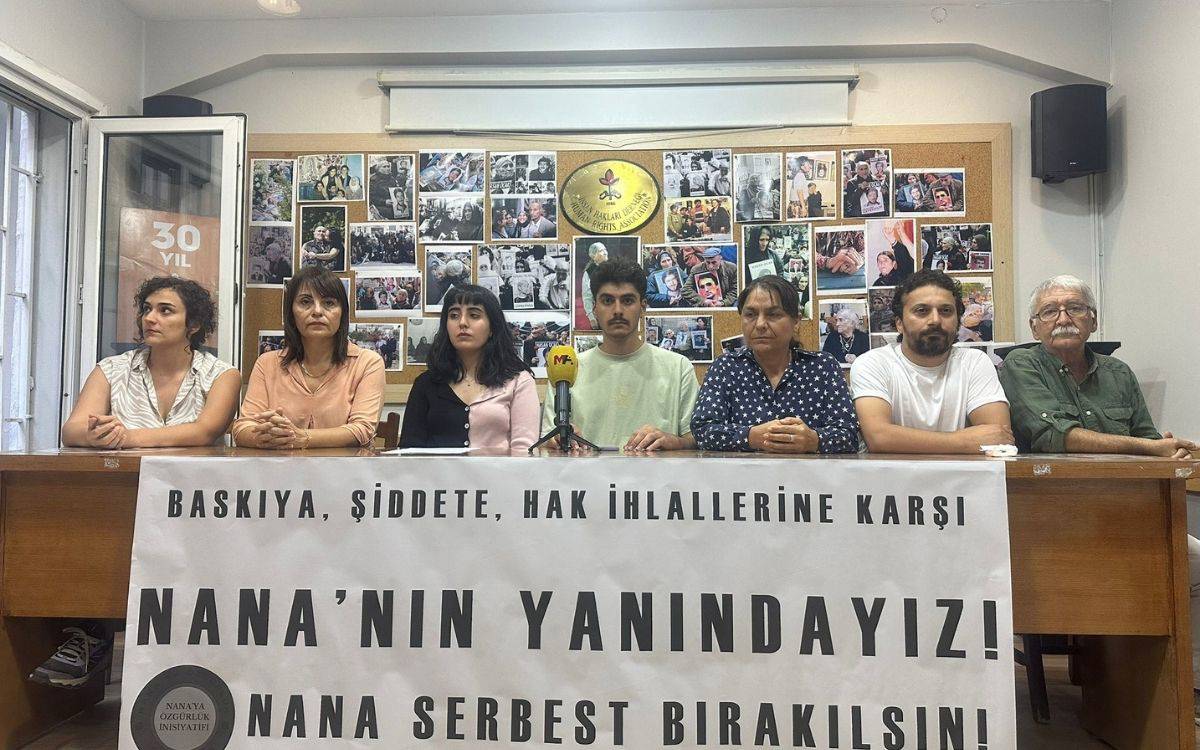
The initiative “Freedom for Nana,” formed after her detention, released a statement yesterday noting that Babazade had lived in Turkey for two years and had been active in student movements and campaigns related to ecology, labor, women's rights, and LGBTI+ issues.
The group alleged that authorities attempted to recruit Babazade as an informant and threatened her during the process. “On Aug 5, as a migrant student continuing her graduate studies in İstanbul, she went to the İstanbul Provincial Directorate of Migration to renew her residence permit.
"There, she was taken to a room and held for an hour by individuals who claimed to be members of the National Intelligence Organization (MİT). She was pressured to provide false statements about her activist friends and was offered money and employment in return."
According to the group, when she refused the offer, officials began to create administrative obstacles to her residence permit and threatened her with deportation to Azerbaijan. (AB/VK)