




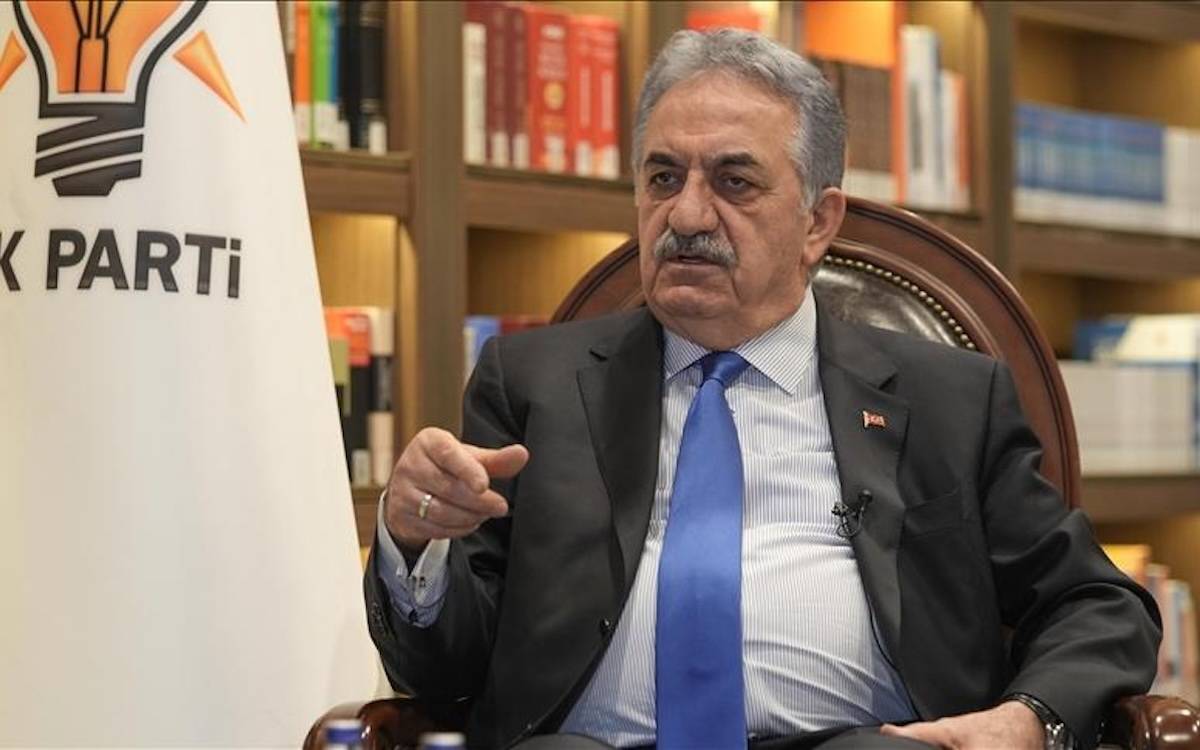



Hayati Yazıcı announced his resignation late yesterday as deputy chair of the ruling Justice and Development Party (AKP) amid an investigation into investment funds that has implicated senior figures in the party.
A member of the AKP since its founding, Yazıcı has served in parliament since 2002 and held several senior government posts, including those of deputy prime minister and cabinet minister.
His resignation came hours after former Family Minister Fatma Betül Sayan-Kaya, who had also stepped down as AKP deputy chair, was released from prison and placed under house arrest after 19 days in custody.
The court’s decision drew criticism from opposition politicians and journalists, who pointed to the continued detention of seriously ill prisoners, government critics and journalists who reported on the fund scandal.
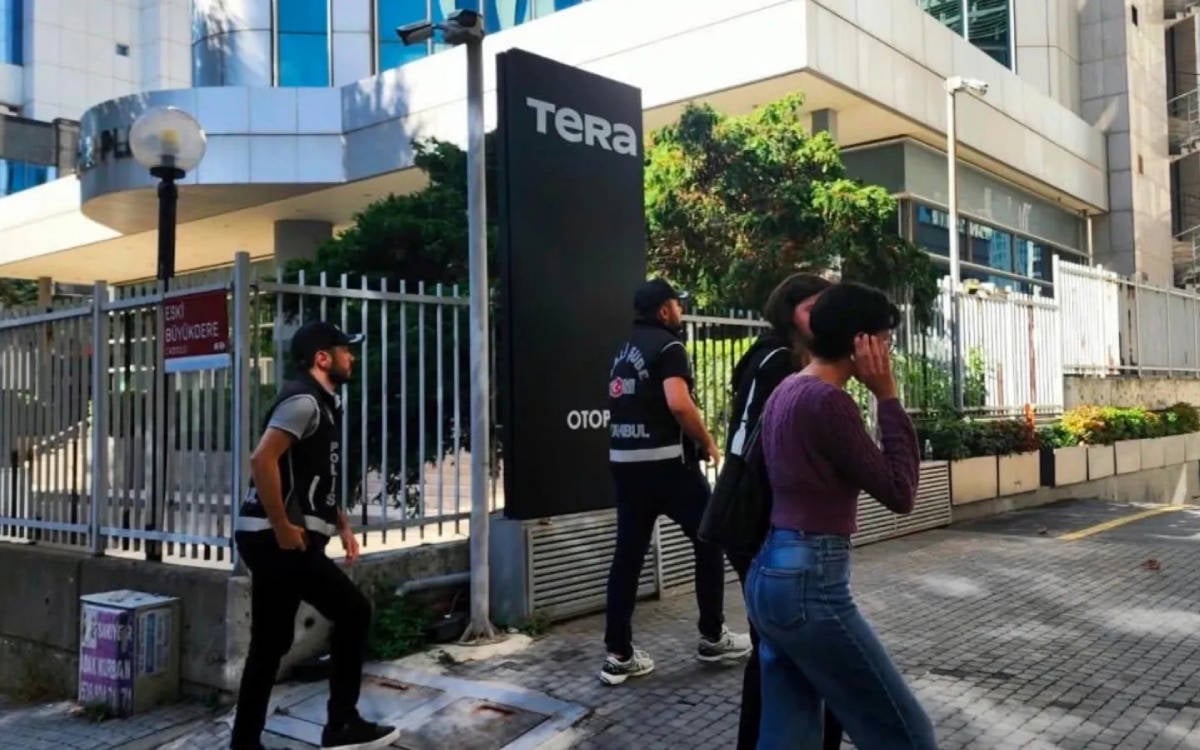
Turkey’s investment fund crisis in 10 questions: Phantom returns and a market meltdown
Yazıcı denies unfair gains
Yazıcı, an MP responsible for the AKP’s political and legal affairs, announced his resignation from the party’s two highest governing bodies after his son, Mustafa Yazıcı, was questioned as part of the investigation.
He said he had decided to step down to prevent what he described as a coordinated social media campaign targeting him and his son from harming the party.
Yazıcı maintained that his son had earned “not a single penny” from any of the funds under investigation, either personally or through his companies.
Mustafa Yazıcı served as deputy chair of the board of Adil Varlık Yönetim, an asset management company. Both the company and Adil Katılım Bankası participation bank were placed under the control of the Savings Deposit Insurance Fund (TMSF) on Nov 17.
Main opposition New (Yeni) Party spokesperson Zeynel Emre had alleged that Mustafa Yazıcı conducted suspicious transactions worth 600 million liras. A judge released Yazıcı on Nov 19, imposing a travel ban and requiring him to report regularly to authorities.

Probe into investment fund scandal reveals 214 people and firms made over 3.7 billion dollars in profits
Opposition leader claims Kaya threatened to speak out
Meanwhile, the release of former minister Kaya to house arrest less than three weeks after she was jailed led to criticism from opposition circles and journalists.
New Party leader Özgür Özel claimed that President Recep Tayyip Erdoğan had yielded to a threat by Kaya to disclose information about others involved in the scandal.
“Fatma Betül Sayan Kaya of the AKP’s fund gang spent 19 days in Silivri and went home,” Özel wrote on social media yesterday. “[Erdoğan] could only withstand Ms. Fatma’s threat that ‘I am not alone, I will talk’ for this long.”
Accusing Kaya of pocketing 2.2 billion liras, Özel said, “For every day she spent in prison, she laundered 115 million liras.”
“The ability of those in power to govern the state has disappeared,” he asserted.
Opposition lawmaker Burhanettin Bulut also accused the government of using the judiciary to protect its own members while punishing political opponents.
“Why are opposition figures who voice the slightest criticism, post a tweet or express their opinions held in prison for months?” he asked. “Why are our colleagues deprived of their freedom for months without even having indictments prepared?”
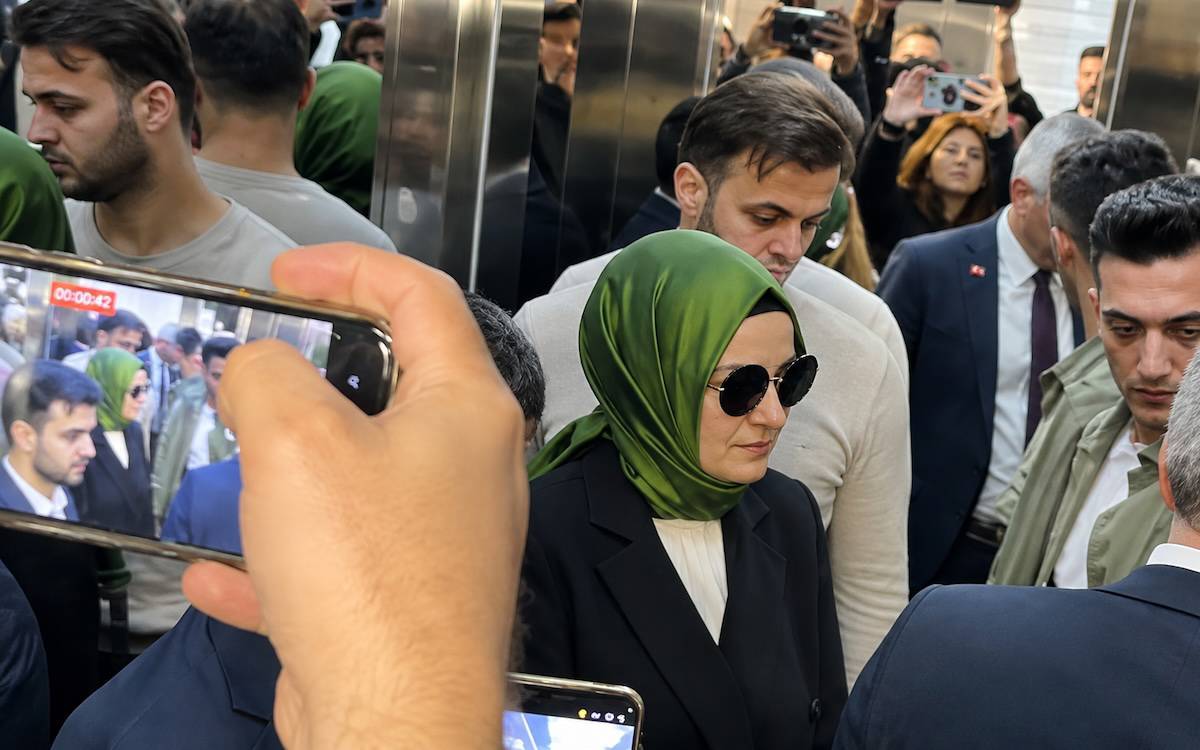
Former minister released to house arrest in investment fund probe
Journalists covering the scandal remain in prison
Journalists Mustafa Balcı and Şaban Sevinç, who were detained on charge of "publicly disseminating misleading information" on Oct 9 over their comments on the scandal, remain in prison.
New Party deputy Ali Gökçek criticized the disparity, noting that journalists who reported on those allegedly involved in the fund scandal had spent more time in prison than the former minister.
Balcı had published a photograph taken at a concert showing businessman Osman Arıkan Nacar seated one row behind AKP spokesperson Ömer Çelik. The journalist repeated allegations concerning Nacar in the accompanying caption.
Sevinç shared Balcı’s post and separately discussed an allegation that Çelik had recommended one of the investment funds.
The journalists were indicted on Nov 4 and are facing up to 29 years in prison. Their first hearing is scheduled for Nov 27.
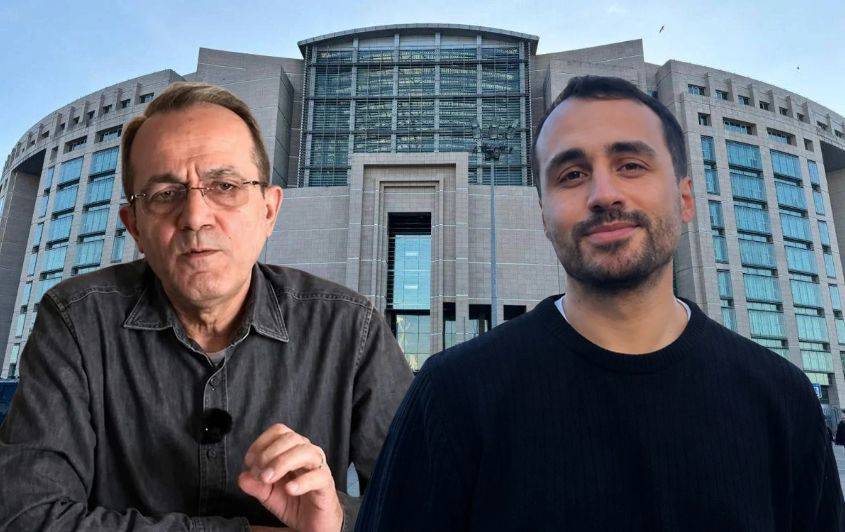
Two journalists detained in Turkey’s fund probe face up to 29 years in prison
Hundreds of seriously ill prisoners remain behind bars
Kaya’s release also renewed criticism over the continued imprisonment of people with serious medical conditions.
The former minister fainted at Silivri prison on Nov 18 and was taken to a hospital before being returned to prison. Her lawyer cited her health condition in an appeal against her detention.
The lawyer confirmed to ANKA news agency that the court had granted the appeal but declined to disclose whether health concerns were the basis for the ruling.
Gülistan Kılıç Koçyiğit, deputy parliamentary group leader of the opposition Peoples’ Equality and Democracy (DEM) Party, highlighted the cases of two women who remain in custody despite serious illnesses.
Speaking at parliament yesterday, Koçyiğit said Nevroz Bozkurt was receiving intensive care at Ankara’s Etlik City Hospital. She also said Evin Zapsu, incarcerated at Bünyan prison in the central province of Kayseri, had stage 4 cancer following delays in her diagnosis and referral to a hospital.
The Human Rights Association (İHD) has identified 235 seriously ill prisoners across Turkey, some 200 of whom are unable to care for themselves in prison.
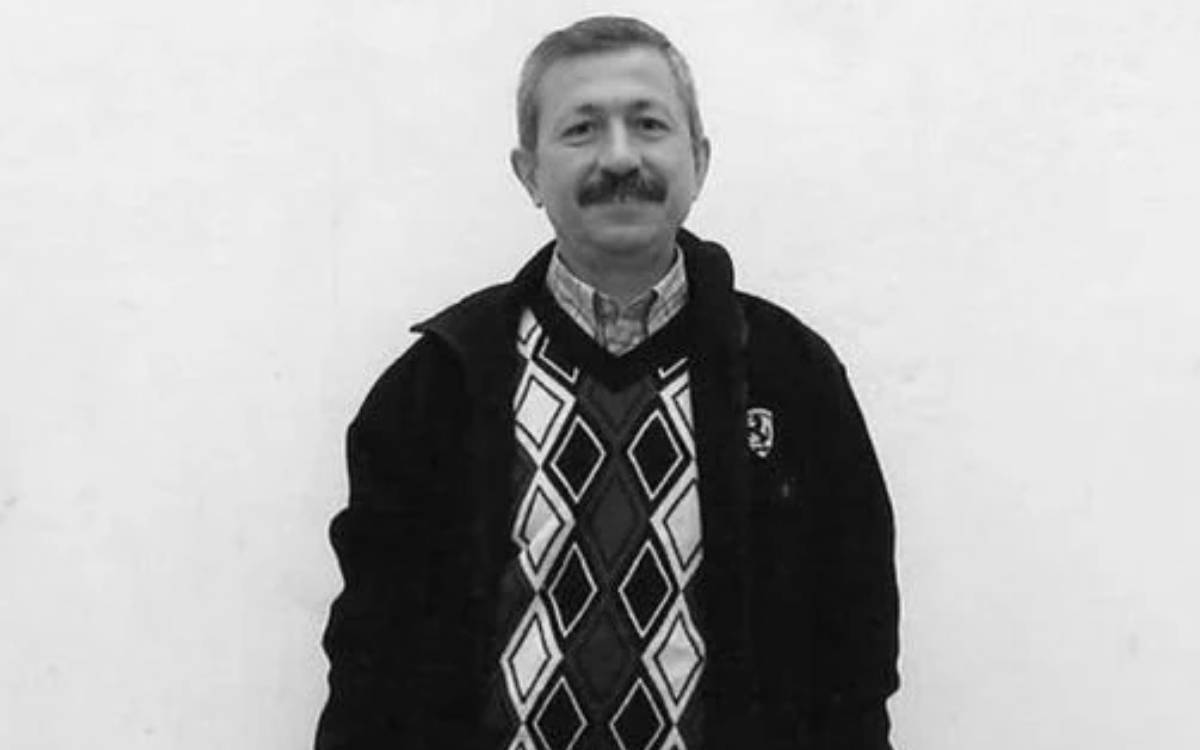
Release blocked for seriously ill prisoner despite forensic medicine recommendation
How the investment fund crisis unfolded
Some investment funds had acquired large stakes in companies with a limited number of publicly traded shares. These purchases drove up share prices, increasing the reported value of the funds' portfolios.
The high returns attracted new investors, whose money was used to finance further stock purchases.
One Tera fund reported an annual return of 4,233% in 2025, while İstanbul's benchmark stock index rose by 14.6% over the same period.
On Aug 28, the SPK tightened restrictions on the proportion of fund portfolios that could be invested in a single stock.
As funds began selling shares and investors sought to withdraw their money, some fund managers were unable to find enough buyers to meet redemption requests.
On Sep 17, the board suspended trading on the national investment fund platform in funds managed by seven firms: Tera, Pusula, Hedef, Atlas, A1 Capital, Pardus and Bulls Portföy. It also ordered the liquidation of 131 funds.
As part of the investigation, prosecutors requested financial records concerning executives of Pusula Finans Holding, Tera Yatırım Menkul Değerler, Hedef Holding and Bulls Yatırım Menkul Değerler, as well as their subsidiaries.
Justice Minister Akın Gürlek said investigators had identified 141 people and 73 companies that had collectively made 187.65 billion liras, equivalent to more than 3.7 billion US dollars at the time, from funds managed by Tera, Pusula and Hedef.
Authorities have since sought to recover funds to compensate investors.
The number of suspects in pretrial detention had reached 140 following four further arrests on Nov 24.
Those remanded in custody as part of the investigation include Tera chair Emre Tezmen, Pusula chair Serdar Turhan, former Central Bank deputy governor Erkan Kilimci, former SPK deputy chair Enver Usca and banking regulator deputy chair Muhammet Erişen.
A request for release by Tera executive Erdin Özel was rejected earlier this month.
(VK)

