









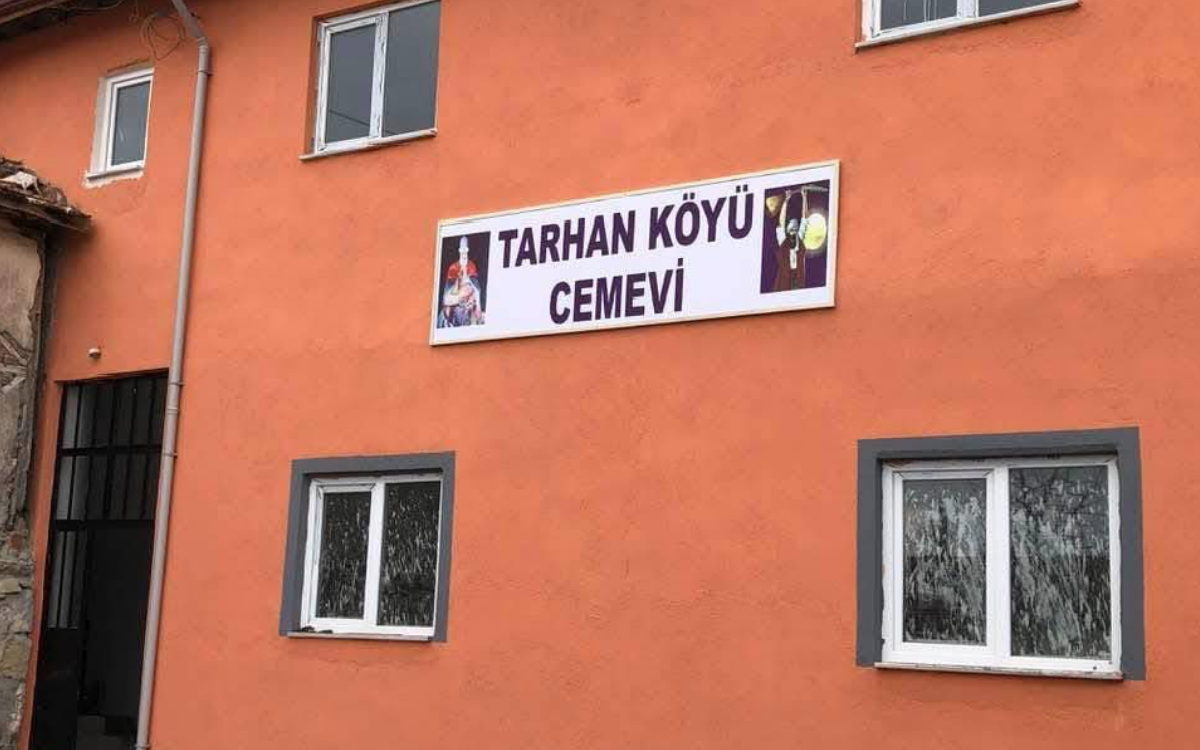



A recent broadcast of the Islamic call to prayer from the loudspeakers of a cemevi in Tarhan village, in the central province of Çorum, has prompted a strong reaction from Alevi organizations. The village’s mukhtar reportedly ordered the broadcast.
Alevism, a minority religious identity not officially recognized in Turkey, is a heterodox branch of Islam with beliefs, worship practices, and rituals that differ from those of Sunni Islam. Calls to prayers are not among Alevi practices.
In a joint statement, the Alevi Bektaşi Federation, the European Confederation of Alevi Unions, the Alevi Cultural Associations, the Pir Sultan Abdal Cultural Associations, and the Alevi Federation condemned the act, calling it “a deliberate attempt at assimilation.”
“Cemevis are our places of worship. The sounds that come from them are our hymns, prayers, and semah,” the statement read. “Broadcasting the call to prayer from a cemevi’s loudspeakers forces our place of worship to be used for another faith’s ritual. This is not freedom of belief, but imposition and assimilation.”
“We will not remain silent or submit to any attempt to interfere with our faith, places of worship, or sacred values,” said the statement.
The statement also argued that the incident was not an isolated decision by a local official but “a local reflection of long-standing state-backed assimilation policies.” The groups demanded the immediate reversal of the decision and called on the public and civil society organizations to oppose what they described as “an unlawful and disrespectful practice.”
The matter has also reached the parliament, with Peoples' Equality and Democracy (DEM) Party MP Celal Fırat raising questions to Interior Minister Ali Yerlikaya.
Citing Article 24 of the constitution, which guarantees freedom of belief, Fırat said, “In a time when we speak of social peace and democracy, broadcasting the call to prayer from a cemevi’s loudspeakers has caused deep discomfort in the Alevi community. This practice must end immediately.”
Fırat’s parliamentary inquiry asked whether the Interior Ministry was aware of the decision, what legal or administrative basis allowed the use of cemevi loudspeakers for the call to prayer, and whether there are measures in place to prevent similar incidents nationwide. (AB/VK)

