












bianet'in özel bildirimlerine izin vererek önemli gelişmelerden haberdar olabilirsiniz.
1,500-year-old mosaic unearthed during cleaning of mill in Mardin
A preservation initiative has been launched to safeguard the mosaics inscribed with “Tittos Domestikos” and incorporate them into Turkey’s cultural heritage.

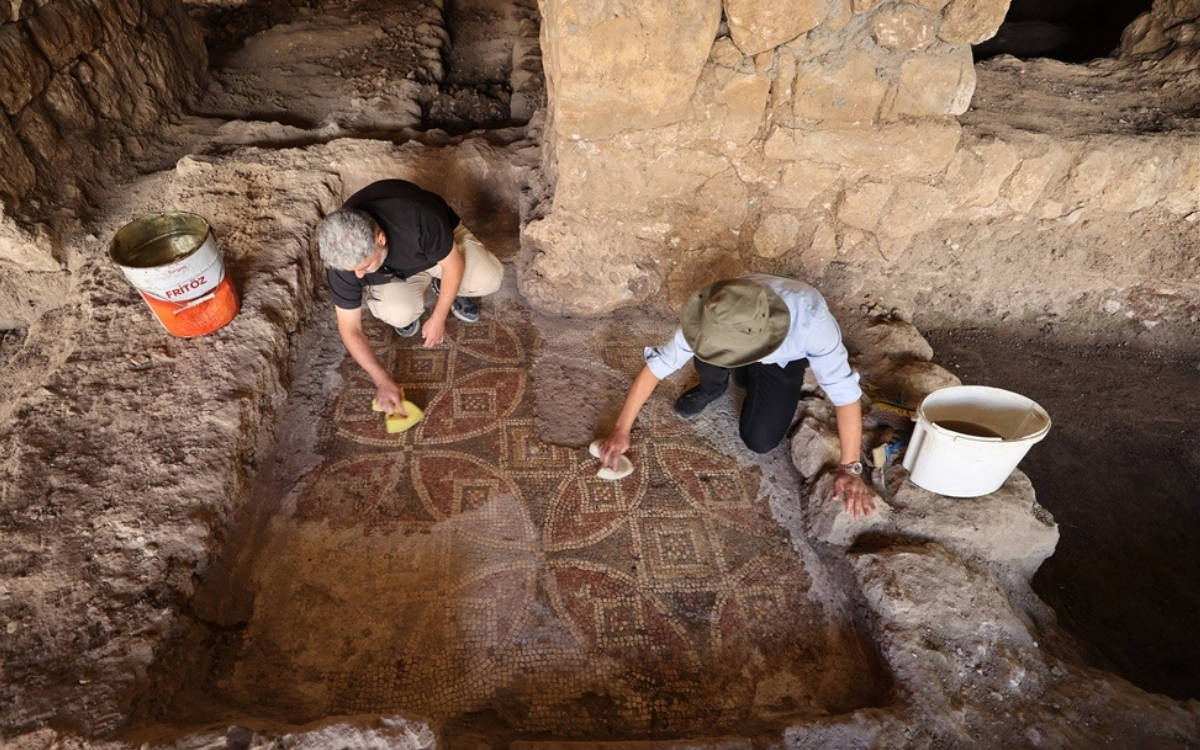


A mosaic floor believed to be around 1,500 years old was discovered during cleaning work at a historic mill in the Çağ Çağ Stream Valley, located between the districts of Midyat and Nusaybin in Mardin, southeastern Turkey.
The mosaic was found at the base of the mill during maintenance efforts. The discovery was reported by the property owners, prompting the Mardin Museum Directorate to send a team to the site. The museum initiated the process to register and protect the find.
With permission from the Culture and Tourism Ministry, an emergency excavation was launched. Archaeologists uncovered multicolored mosaic flooring with geometric patterns, as well as a Greek inscription reading “Tittos Domestikos.”
Preserving the mosaics and conducting further scientific studies to integrate them into Turkey’s cultural heritage has been identified as the top priority.
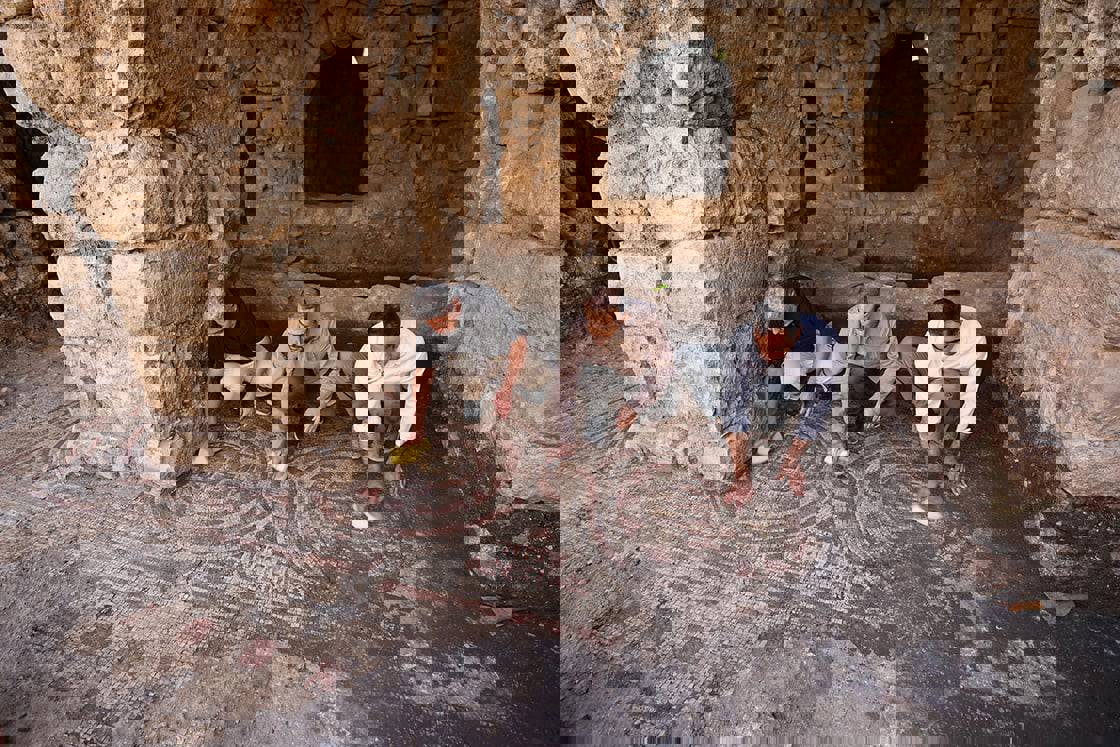
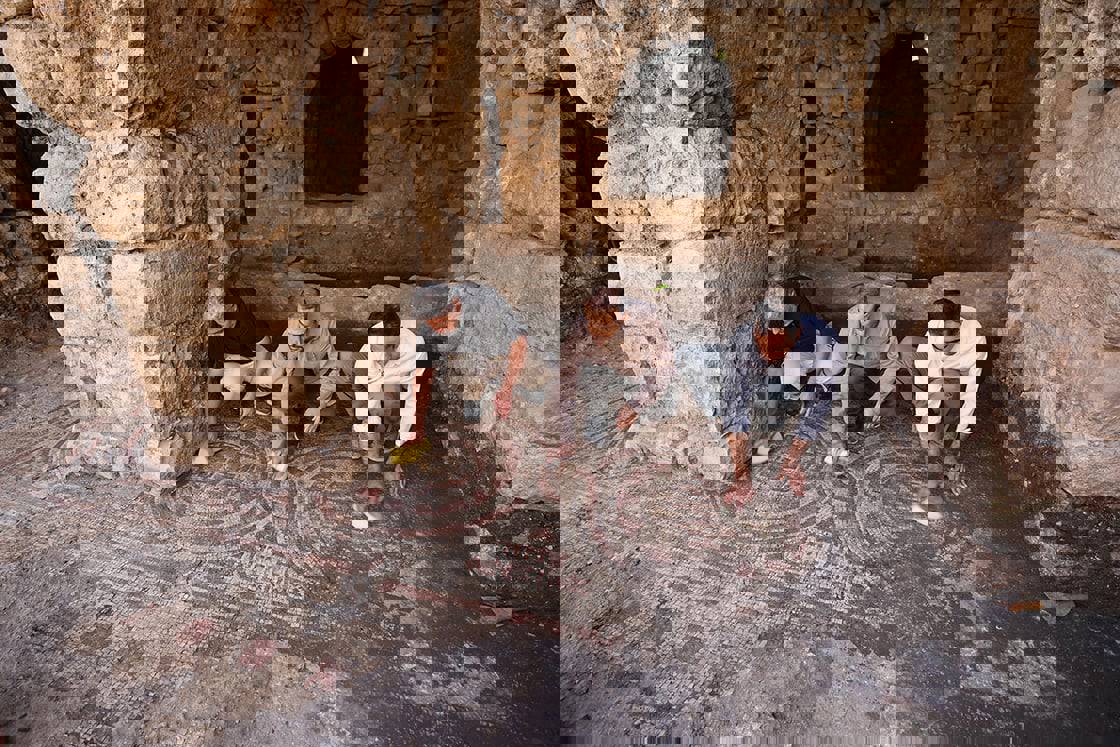
Meaning of ‘Tittos Domestikos’
Mardin Museum Director and head of the excavation, İdris Akgül, told Anadolu Agency (AA) that the mill appeared to be a later addition.
“The building remains where the mosaic was found seem to date further back. In the first area we excavated, we identified predominantly geometric motifs," he noted.
What excited the team most, he said, was the inscription embedded in the mosaic floor. “The inscription contains two words: Tittos and Domestikos. Tittos appears to be a proper name, while Domestikos is more commonly encountered as a title in historical sources. People with this title were typically known to serve in military or church roles.”
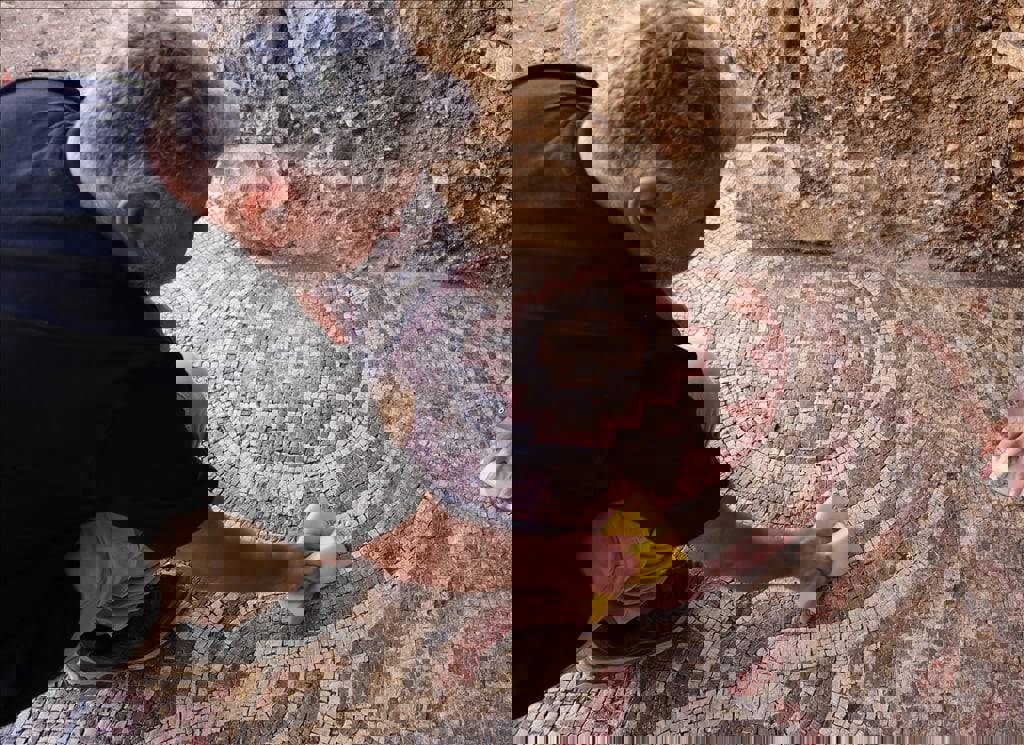
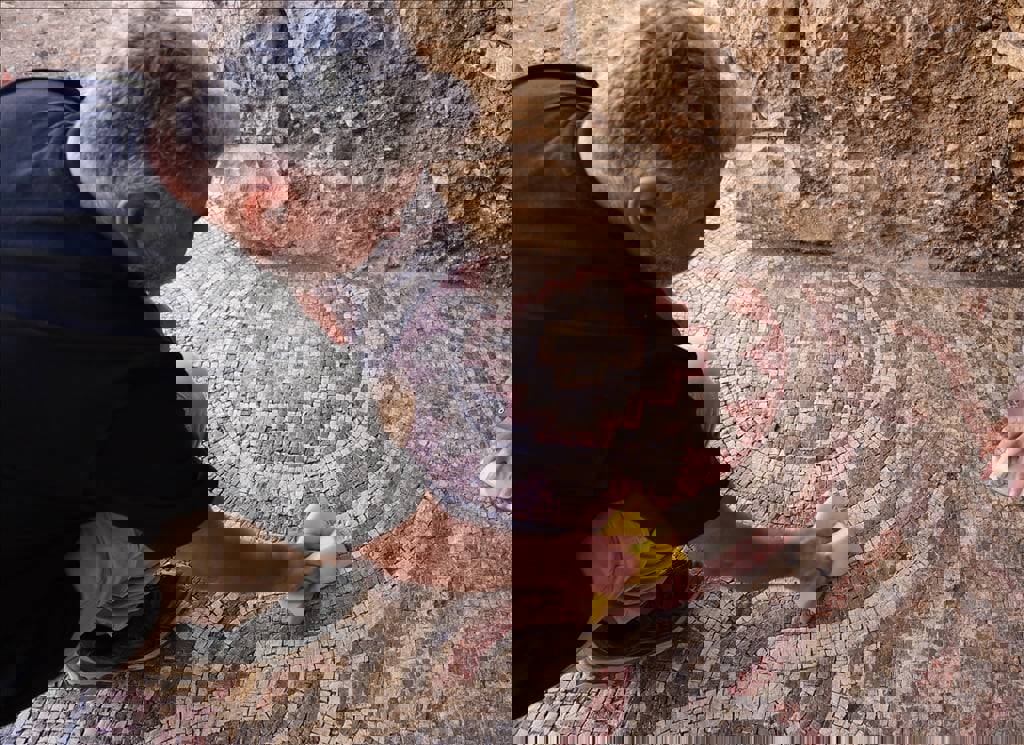
Noting that nearly 40 square meters of mosaic flooring had been uncovered, Akgül said, “The main panels feature medallions designed with knot motifs. Within these medallions, we found geometric patterns and symbols that can be interpreted as crosses."
Based on the current architectural remains, the structure appears to extend into adjacent parcels. “Although we cannot yet say with certainty what the structure was, the inscription suggests it belonged to a civilian official."
Akgül said conservation work on the site would help reveal more definitive information about the structure. He further noted that this was one of the first areas in the region where they had conducted a direct excavation, which could offer important insights into the region’s historical timeline. (TY/VK)
related news
Hak odaklı, çok sesli, bağımsız gazeteciliği güçlendirmek için bianet desteğinizi bekliyor.