





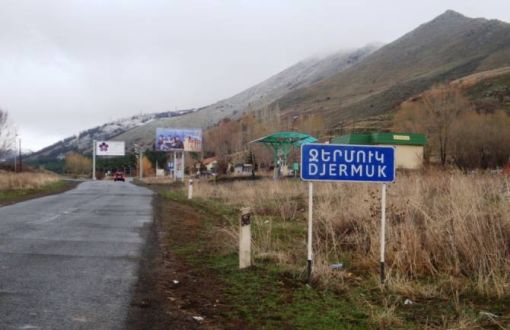



Photo: Armenpress
Click to read the article in Turkish
Peoples' Democratic Party (HDP) deputy Garo Paylan has called for a ceasefire between Armenia and Azerbaijan after yesterday's (September 13) clashes where 99 soldiers from both sides were killed.
"I call on everyone to take responsibility for the continuation of the ceasefire declared in the morning," the Armenian politician tweeted yesterday.
Today, he posted another tweet about the conflict, saying that it only benefits Russia.
"As a result of the war two years ago, Russia has settled in Azerbaijan. And the only result of yesterday's clashes will be Russia's increased domination over Armenia.
"Those who have been warmongering since yesterday... Don't you ever think why the Russians always win while Azeris and Armenians die?"
What happened?
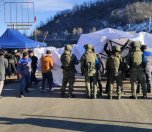
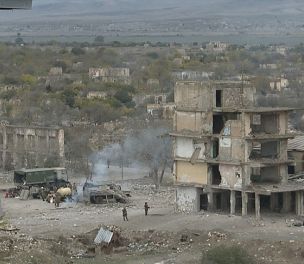
About two years after the Nagorno-Karabakh war, defense ministries of the two countries announced that border clashes erupted on September 13. Both countries blamed each other.
Armenia's PM Nikol Pashinyan said yesterday in the parliament that they had lost 49 soldiers and casualties might increase. Azerbaijan announced 50 deaths.
A ceasefire was declared at 8.30 a.m local time (GMT+4).
The Nagorno-Karabakh war
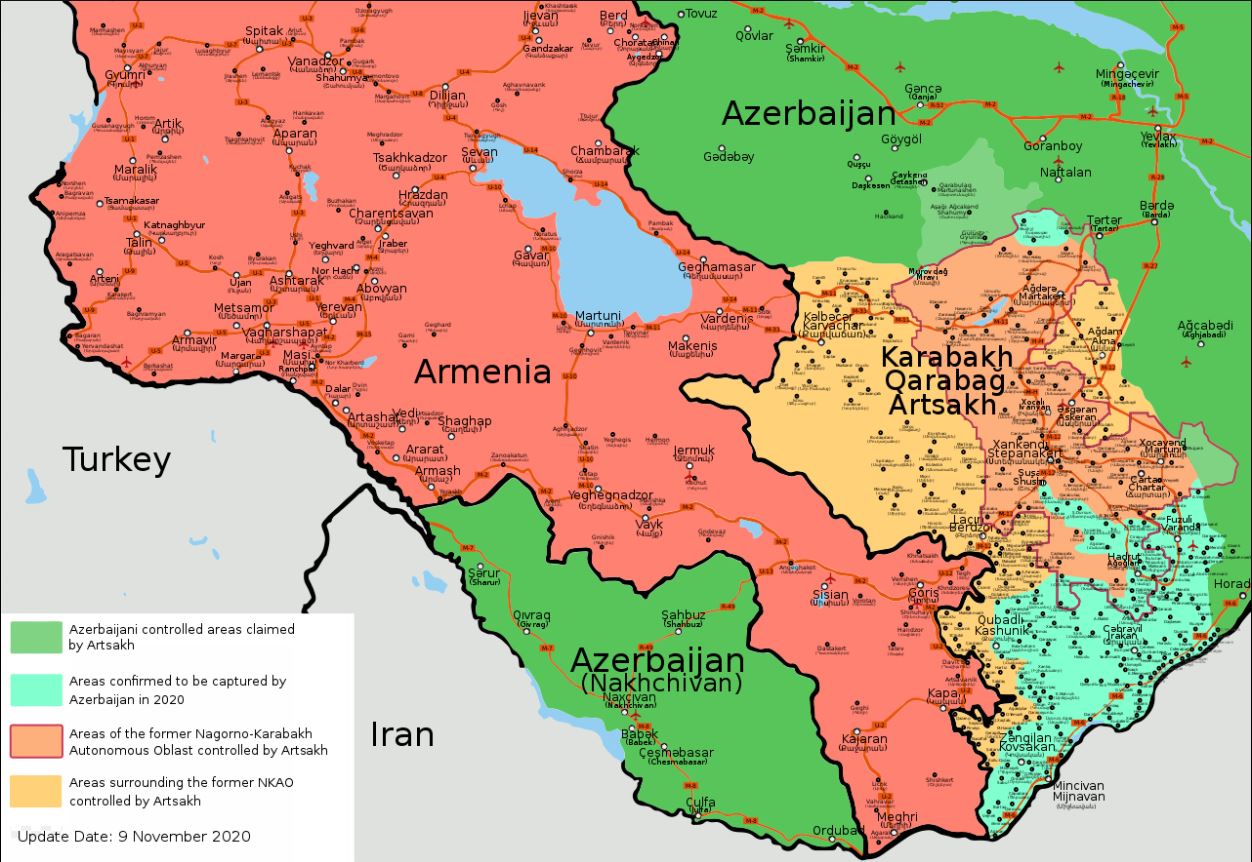
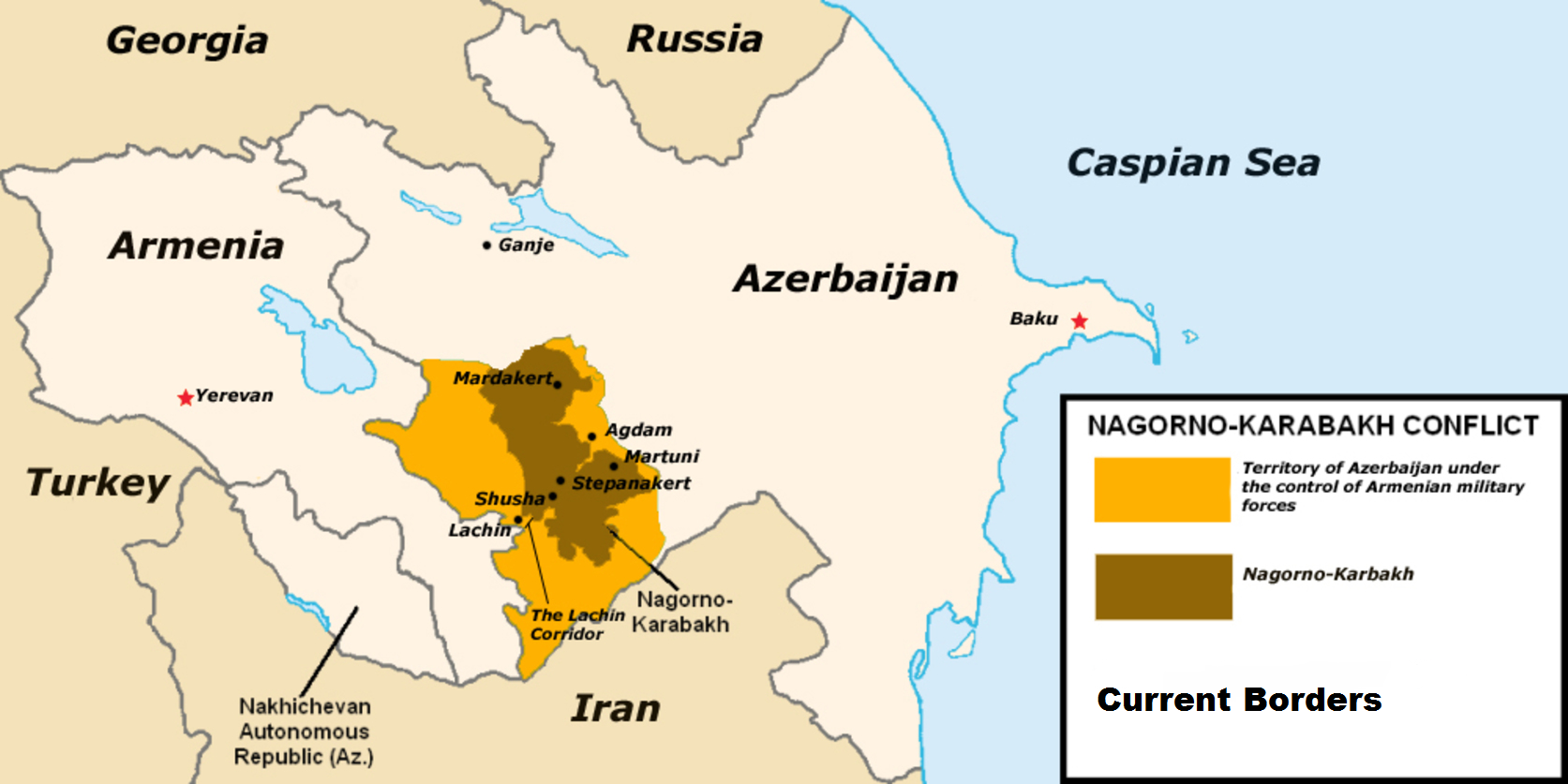
On September 27, 2020, clashes erupted between Armenia and Azerbaijan in the disputed territory of Nagorno-Karabakh, or Upper Karabakh. As Azerbaijan advanced in some parts of the region, several attempts to secure a ceasefire failed. While thousands of people have been reportedly displaced during the conflict, Azerbaijan's second-largest city, Ganja, was hit by ballistic missiles four times in October. Dozens were killed and hundreds were wounded in the attacks. On November 9, Azerbaijan took the control of Shusha, a major city in the Karabakh region. One day later, Baku and Yerevan signed a Russia-brokered agreement to end the fighting and work towards a comprehensive solution.
Nagorno-Karabakh is a mountainous region of approximately 4,400 square kilometers in the Caucasus between Armenia and Azerbaijan. Relations between the two former Soviet countries have been tense since 1989 over Nagorno-Karabakh, or Upper Karabakh, an internationally recognized territory of Azerbaijan populated mostly by Armenians. In 1989, the parliament of Azerbaijan removed Nagorno-Karabakh's autonomous status, which had been in place since 1923. During the dissolution of the Soviet Union, Armenia began military operations into Nagorno-Karabakh in 1991. In the same year, the separatist administration in Nagorno-Karabakh declared independence. The Azeri people of the region had boycotted the independence referendum. The independence of the Nagorno-Karabakh, or Artsakh republic, is not recognized by any United Nations member state, including Armenia. Four UN Security Council and two UN General Assembly resolutions as well as many international organizations demand the withdrawal of the occupying forces. The OSCE Minsk Group – co-chaired by France, Russia and the US – was formed in 1992 to find a peaceful solution to the conflict. A cease-fire was agreed upon in 1994. France, Russia and NATO, among others, have urged an immediate halt to clashes in the occupied region. During the conflict between 1988-1994, about one million people were displaced and 30,000 were killed. |
(SD/VK)