




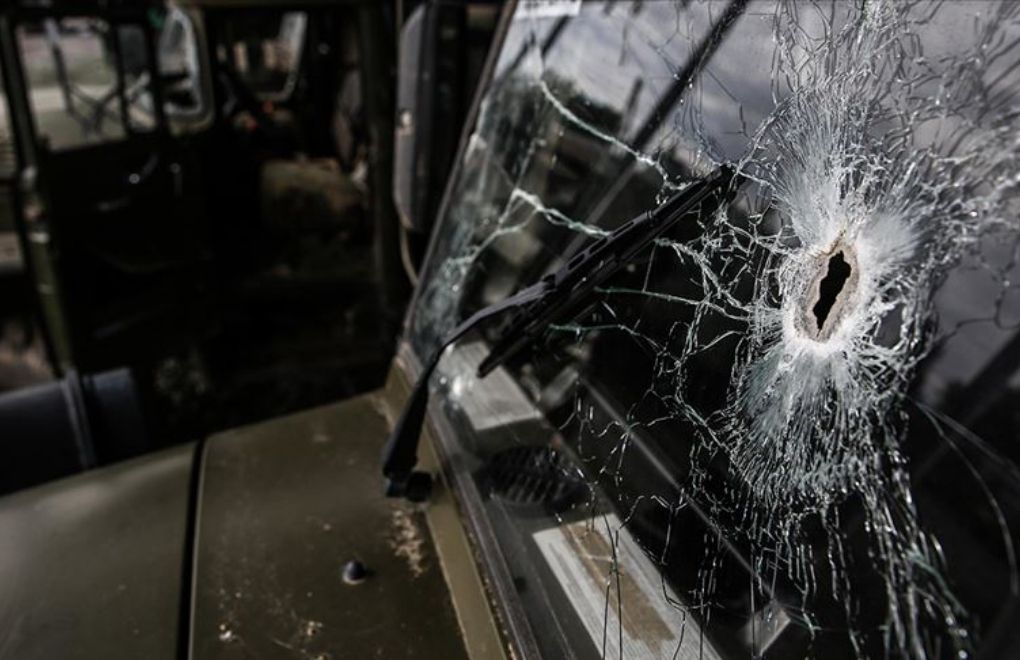



Photo: AA
Click to read the article in Turkish / Kurdish
A new temporary humanitarian cease-fire between Azerbaijan and Armenia entered into force as of this morning (October 26).
Yesterday, the US State Department said Deputy Secretary of State Stephen Biegun met with Armenian Foreign Minister Zohrab Mnatsakanyan and Azerbaijani Foreign Minister Jeyhun Bayramov on October 24.
Both countries reaffirmed their commitment to implement and abide by the humanitarian cease-fire agreed in Moscow on October 10, it added.
Clashes in the region started on September 27. Both Baku and Yerevan accused each other of violating the first ceasefire.
Azerbaijan: Armenia is violating the ceasefire
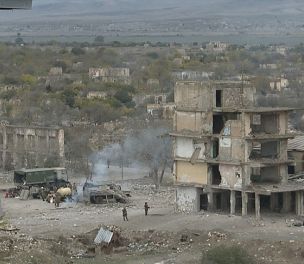
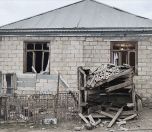
Azerbaijan's Defense Ministry has stated Armenian forces continued attacks on its civil settlements and military units, despite a fresh humanitarian cease-fire in Karabakh.
The villages of Aghdam region, as well as the city of Tartar and its surrounding villages are being subjected to heavy shelling, the ministry said in a statement.
Armenian armed forces fired at Terter city and villages of the region.#StopArmenianTerror
— Azerbaijan MOD (@wwwmodgovaz) October 26, 2020
"...the Armenian armed forces are firing at our human settlements, and the positions of units of the Azerbaijan Army along the entire front, as well as on the Armenia-Azerbaijan state border using various types of small arms, mortars, and howitzers," the statement read.
The ministry added that Armenian forces also opened fired on Tovuz, Gadabay, and Dashkesan regions of Azerbaijan from the Berd, Chambarak, and Vardenis regions of Armenia.
About the Nagorno-Karabakh dispute
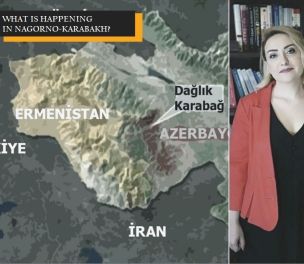
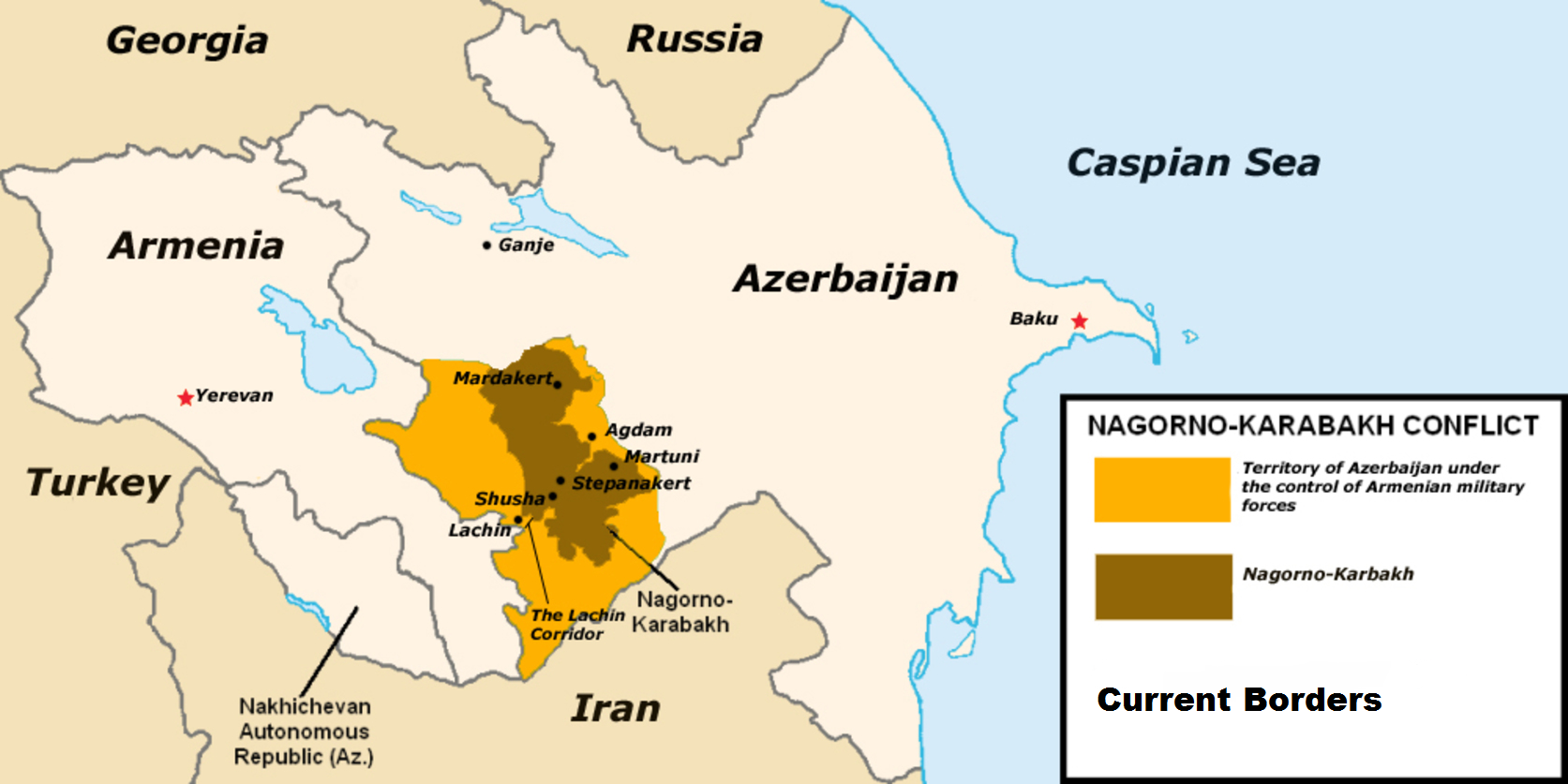
Nagorno-Karabakh is a mountainous region of approximately 4,400 square kilometers in the Caucasus between Armenia and Azerbaijan. Relations between the two former Soviet countries have been tense since 1989 over Nagorno-Karabakh, or Upper Karabakh, an internationally recognized territory of Azerbaijan populated mostly by Armenians. In 1989, the parliament of Azerbaijan removed Nagorno-Karabakh's autonomous status, which had been in place since 1923. During the dissolution of the Soviet Union, Armenia began military operations into Nagorno-Karabakh in 1991. In the same year, the separatist administration in Nagorno-Karabakh declared independence. The Azeri people of the region had boycotted the independence referendum. The independence of the Nagorno-Karabakh, or Artsakh republic, is not recognized by any United Nations member state, including Armenia. Four UN Security Council and two UN General Assembly resolutions as well as many international organizations demand the withdrawal of the occupying forces. The OSCE Minsk Group – co-chaired by France, Russia and the US – was formed in 1992 to find a peaceful solution to the conflict. A cease-fire was agreed upon in 1994. France, Russia and NATO, among others, have urged an immediate halt to clashes in the occupied region. During the conflict between 1988-1994, about one million people were displaced and 30,000 were killed. |
(TP/VK)