17:49 Last Update
Subscribe to Newsletter
facebook twitter rss youtube
  • BİANET
    1. Anasayfa
    2. Haber Listesi
    3. Yazarlar
    4. Galeriler
    5. Özel Dosyalar
  • BİAMAG
    1. Anasayfa
    2. Yazılar
    3. Yazarlar
    4. Galeriler
    5. Bia Kitaplığı
  • KURDÎ
    1. Destpêk
    2. Nûçe
    3. Nivîskar
    4. Galerî
    5. Têkilî
  • ENGLISH
    1. Homepage
    2. News-Articles
    3. Bylines
    4. Galleries
    5. About Us
  • KADIN-LGBTİ
    1. Anasayfa
    2. Haber Listesi
    3. Erkek Şiddeti-Çetele
    4. Şiddete Uğrarsanız
    5. Bağlantılar
  • ÇOCUK
    1. Anasayfa
    2. Haber Listesi
    3. Yazarlar
    4. Çocuklardan
    5. Bağlantılar

News List

  • Bianet
  • Biamag
  • Kurdî
  • English
  • Kadın
  • Çocuk

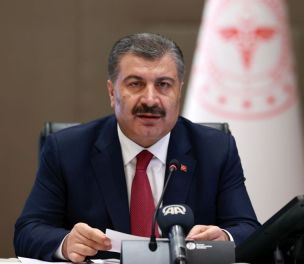
 Photo: AA/File

Click to read the article in Turkish

Ankara, Turkey's capital, is having a bed shortage in hospitals due to the recent surge of the coronavirus epidemic in the city, the Ankara Medical Chamber said in a statement today (September 10).

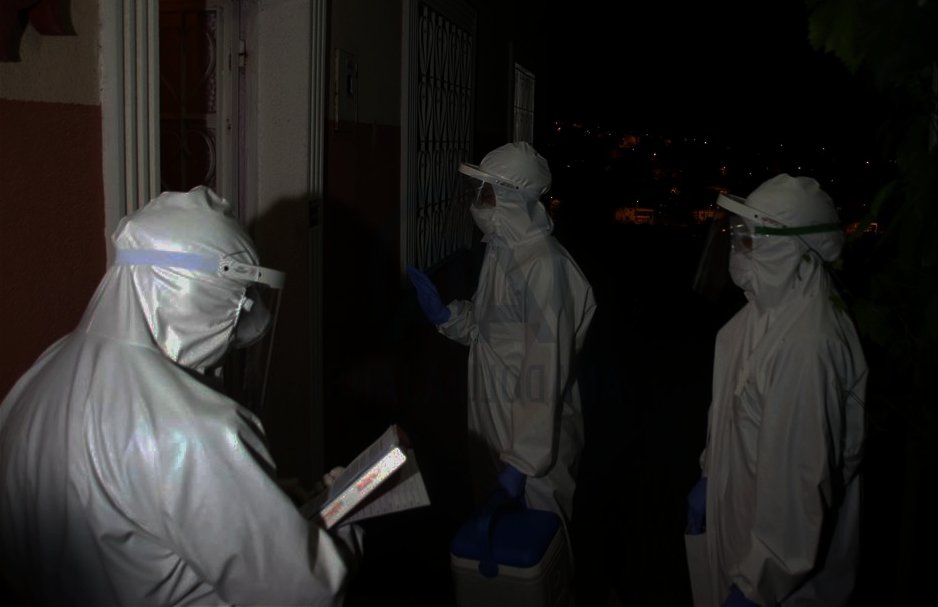
Due to the bed shortage, antiviral drugs used in Covid-19 treatment such as hydroxychloroquine and favipiravir are now distributed to homes by contact tracing teams, according to the chamber.

CLICK - Minister: Turkey on 'second peak' of Covid-19, Ankara becomes new outbreak center

CLICK - Health workers' union: Daily Covid-19 cases in Ankara exceed official figures for entire Turkey

Also, people who had contact with patients are prescribed these two drugs even if they have a negative test, says the statement.

Both drugs are antivirals that have been experimentally used since the start of the pandemic.

"This is not a contact tracing practice but an inappropriate treatment practice that is applied to people who were not diagnosed and poses a great risk to public health," said the chamber.

"According to up-to-date data, hydroxychloroquine treatment is not recommended for patients who are hospitalized due to Covid-19. The data collected so far suggests no clinical benefit. Moreover, its use with other drugs is not recommended due to an increasing side-effect profile," it added.

On favipiravir, the chamber said the data on its effect and safety was "limited" and noted that distributing these drugs to homes was not right.

While all hospitals in the city except two have been declared as "pandemic hospitals," there are still queues at outpatient clinics and "all services are full," said the chamber.

"People now go back without being able to have a test, giving up having an examination. Severely ill patients try to receive treatment in emergency services and services with inadequate conditions. When the situation is like this, the Ministry of Health insists on not disclosing the data transparently," it further said. (RT/VK)
ANKARA MEDICAL CHAMBER Turkey begins distributing hydroxychloroquine to homes in capital city amid bed shortage
Even people who had contact with patients are prescribed hydroxychloroquine and favipiravir regardless of their Covid-19 test results, according to the medical chamber.
İstanbul - BIA News Desk 10 September 2020, Thursday 17:46
Share the article via email.
Kapat

Tags

  • ankara
  • ankara medical chamber
  • covid-19
  • coronavirus outbreak
  • covîd-19
  • coronavirus pandemic
  • vk

Related bianet News

  • Covid-19 in Turkey: Death Toll Hits 4,746, WHO Says It's 'Closely Following' Use of Malaria Drug 10 June 2020
    The Health Ministry has reported 922 new cases and 18 deaths for the ...

Most Read Today

  • ‘Not the fear, but shared values mostly pointed out now’ 23 April 2022
  • GEZİ TRIAL Rights defenders make their statements: No evidence-witnesses, but allegations 22 April 2022
  • Gezi trial | Judgement to be handed down on April 25 22 April 2022
  • OSMAN KAVALA'S STATEMENT 'I find solace in possibility that those to be brought to justice receive a fairer treatment' 22 April 2022
  • HDP: Happy Kurdish Journalism Day 22 April 2022
  • BİANET
  • BİAMAG
  • KURDÎ
  • ENGLISH
  • KADIN-LGBTİ
  • ÇOCUK
YeniHayat Bilişim

This website is published within the framework of "Journalism for Rights, Rights for Journalists" -dubbed as BİA3 - project implemented by the IPS Communication Foundation with the financial assistance of the Swedish International development Agency (SIDA). The contents of this website are the sole responsibility of IPS Communication Foundation and under no circumstances be regarded as reflecting the position of the EU and SIDA and IFEX.