








bianet'in özel bildirimlerine izin vererek önemli gelişmelerden haberdar olabilirsiniz.
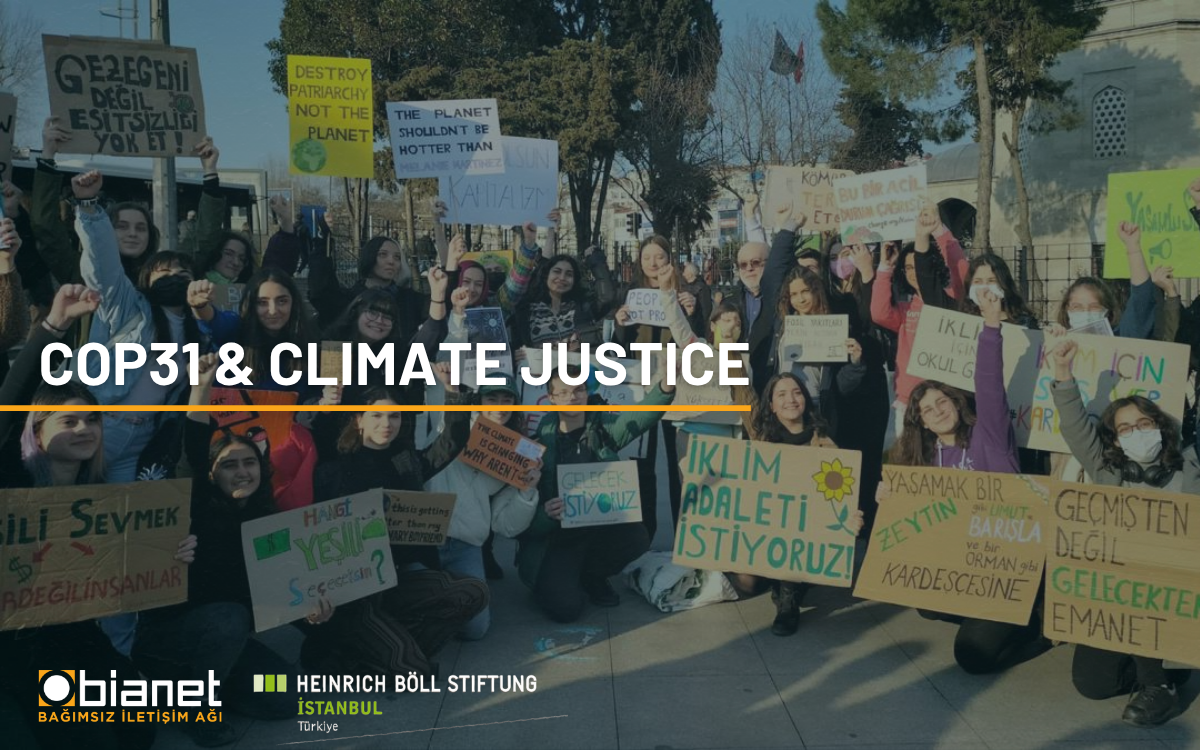
COP31 and Climate Justice
As the impacts of the climate crisis become increasingly visible in cities and in everyday life, they are also deepening existing inequalities in areas such as housing, access to water, food security, health, working life, and the right to the city.
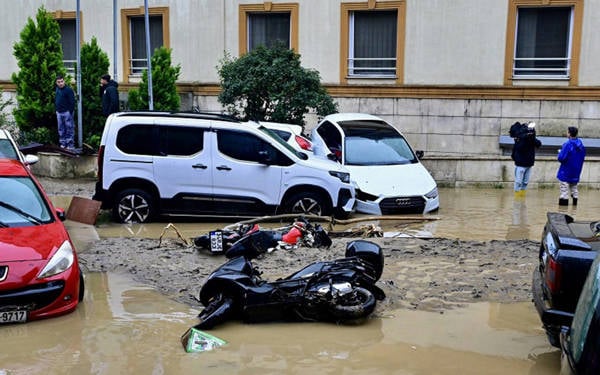
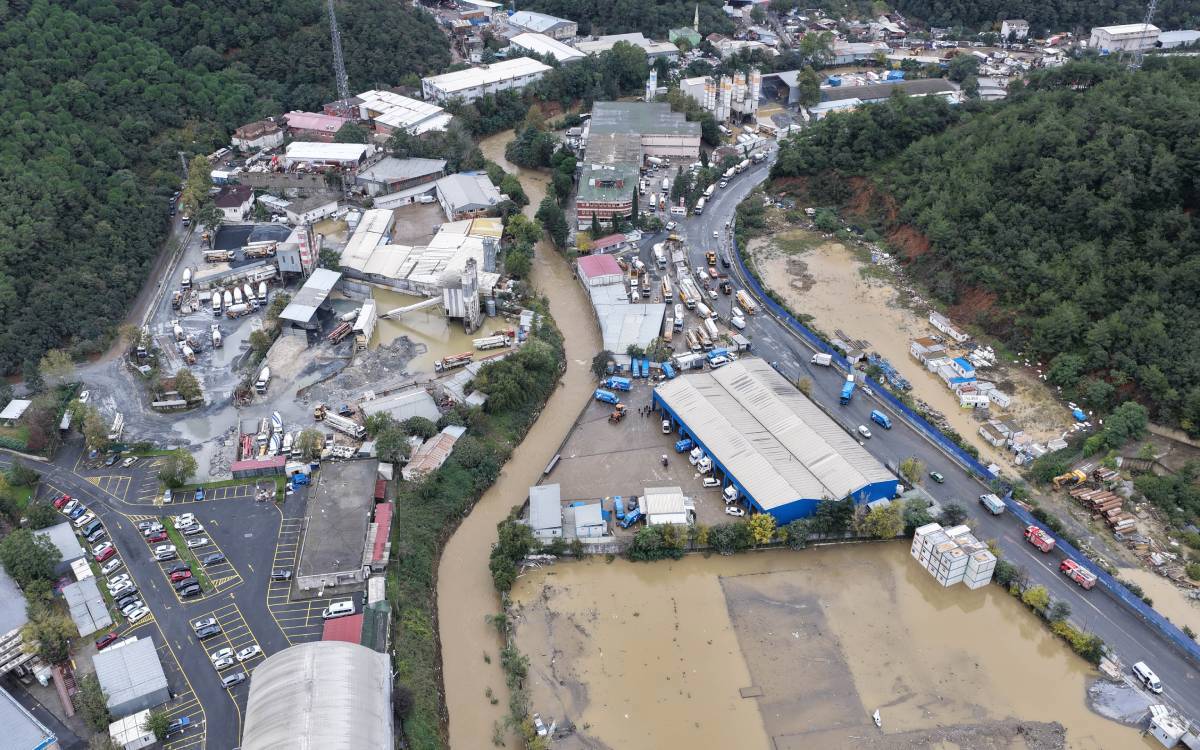
Across different regions of Türkiye, drought, extreme heat, floods, growing pressure on water resources, and challenges in agricultural production are reshaping living conditions in both urban and rural areas. These impacts are not experienced equally by different social groups, nor do they affect their rights in the same way.
Local struggles emerging in response to the climate crisis are also bringing demands to protect the right to the city, living environments, water, and natural assets to the forefront. The experiences of local communities, their practices of solidarity, and their efforts to develop solutions are an important part of the broader debate on climate justice.
At the IPS Communication Foundation/bianet, with the support of the Heinrich Böll Foundation, we are carrying out the project “Reporting on the City, Everyday Life and Climate Justice in the COP31 Process.” As part of this work, we approach the United Nations Climate Change Conference (COP31), to be held in Antalya from 9 to 20 November 2026, not only through the lens of international negotiations, but also through the concrete impacts of the climate crisis on everyday life.
Given the limitations of the COP31 process in delivering lasting and just solutions to the climate crisis, we are also closely following the People’s Climate Summit, which will take place from 14 to 18 November 2026 as an alternative space for gathering, debate, and collective struggle.
Through this dossier, we aim to make local experiences more visible by reporting on the impacts of the climate crisis across different regions of Türkiye, related rights violations, local struggles, and efforts to develop solutions. We seek to approach climate justice beyond an İstanbul-centred and mainstream media perspective, situating it within the broader contexts of the right to the city, ecology, labor, migration, and everyday life.
Follow bianet English on social media