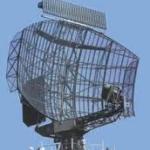



The USA pushes Turkey to join the missile defence system project intended to be set up against a supposed threat from Iran.
According to Assoc. Prof. Koray Çalışkan from the Bosporus University Faculty of Political Science and International Relations, this situation creates a "relative autonomy" of Turkey in foreign policies which might lead to tensions between Turkey and the USA.
Çalışkan explained that the USA is disturbed by this autonomy and argued that it would be difficult for the country to defend its position which developed when Turkey refused to join the invasion in Iraq and Ahmet Davutoğlu was taking office as Minister of Foreign Affairs.
State Minister Mehmet Aydın opposed the project saying, "We will not leave the defence of our country to anybody else". Çalışkan added slightly amused, "It is funny to say this when you are a NATO member, when nuclear warheads are positioned at the USA base in İncirlik and the military and police are being trained in the USA".
Top officials from Turkey and the USA met in Brussels
The missile defence system project has been on the agenda for almost ten years already. It was revised after the election of Barak Obama as the new US American President and turned into system covering a wider range including not only Poland and the Czech Republic but also Turkey. As a direct neighbour Iraq, Turkey plays an important role in this issue. US American Defence Minister Robert Gates addressed the topic during his visit to Turkey in March 2008. One month earlier, in April 2008, the Turkish Defence Minister Vecdi Gönül had declared that Turkey was not going to join the missile defence system.
As reported by Voice of America, the USA insist on Turkey to commit to its role within the framework of NATO. Turkey on the other hand kept its distance to the project because it was targeting Iran. The state was recently strengthening diplomatic and economic relations with its neighbouring countries such as Iran and Syria. The US administration is trying to gain support for the project by taking it under the umbrella of NATO.
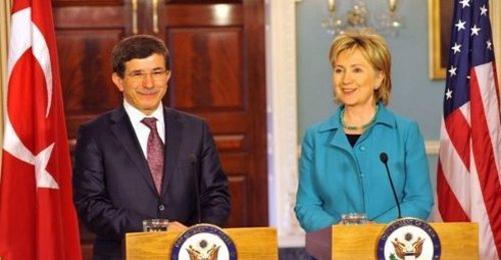
The ministers of foreign affairs and defence discussed the topic on the sidelines of a NATO meeting in Brussels on Thursday (14 October) preceding the meeting of the heads of state of the NATO member states on 19/20 November. Minsters Davutoğlu and Gönül met with Secretary of State Hillary Clinton and Defence Minister Gates.
"Pressure on Iran feeds authoritarianism"
Faculty member Çalışkan stressed that the USA tried to inhibit the development of nuclear weapons in Iran whereas nobody mentioned Israel at the same time as another nuclear power in the region. He compared the installation of a shield targeting Iran with saying, "let's put down our weapons but first of all I am going to wear my bullet-proof vest".
Çalışkan stated that international relations should not be seen merely as a gaining relationship such as "Let's join the invasion of Iraq to raise our national income by $ 1,000". "Pressure leads to exertion of authority. We should intervene in Iran as little as possible. Foreign military should withdraw from Iran as soon as possible", Çalışkan said.
"Instead of watching the "zero-problem" policy between Turkey and its neighbour states, a system of international relations should be established where everybody targets a "zero-problem" policy with everyone".
Turkey does not want to oppose Iran
As reported by Deniz Zeyrek from Radikal newspaper, Ankara's objection can be summarized in two points:
* The system should not be presented to be "against threats" and it should not be defined in the NATO documents that these threats are countries like Iran and Syria. In that case Turkey would be made a target. The country does not want to go through a missile shield crisis with its neighbours. Instead, it should be established as a concept of deterrence and within the framework of Article 5 which says that an attack against one ally is an attack against all allies.
* The system will not protect Turkey as a whole from ballistic missile attacks. This renders Turkey as a host of the system as meaningless. (EÜ/VK)