









New Draft Law To Mandate Religious Facilities, Permit Coastal Nuclear Plants
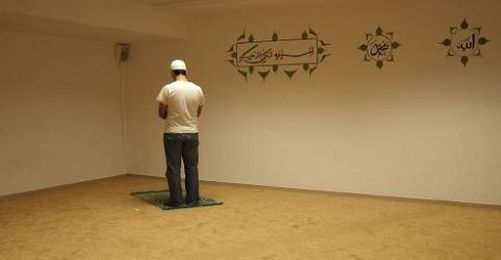



The Building Inspection Draft Law penned down by the Ministry of Environment and Urban Planning makes religious facilities obligatory in public spaces such as theaters and operahouses, while it allows for the construction of nuclear power plants, nuclear plant reservoirs, natural gas storage facilities, thermal power plants and cold storages in coastal areas.
The draft law also permits all kinds of parks, green fields, car parks and military zones to be turned over to local municipalities.
Religious Affairs' proposal gains approval: religious facilities turn mandatory
Small religious facilities known as "mescits," creches and playgrounds are to become mandatory for large housing estates, malls, shopping centers, casinos, wedding halls, movietheaters, opera houses, theaters, health facilities, libraries, museums, hotels, dormitories and public buildings, according to Nuray Babacan's news story in the daily Hürriyet.
The move came in wake of a proposal made by the Religious Affairs Directorate.
The new draft law also mandates "mescits" in transportation facilities, such as dry ports, seaports, airports, bus terminals, train and subway stations.
Nuclear facilities go coastal
An amendment to the sixth article of the Shore Law in the legislation also removes the ban on the construction of power plants and energy facilities within a certain distance to coastal areas.
The draft law will consequently enable the construction of "energy production, exhibition, marketing, storage facilities and publicly-owned fuel stations and energy facilities" on Turkey's shores.
The construction of canals and ponds connected to the seas, rivers or lakes will also be permitted behind coastal strips under the new legislation, provided the ecological properties of the regions in question are taken into consideration. In effect, this arrangement will pave the way for the construction of nuclear power plants, nuclear plant reservoirs, cold storages, natural gas storage facilities and thermal power plants. The same provision also enables state-owned roads and railroads to pass through coastal areas, too.
Municipalities to take over parks, gardens and military zones
The draft law further allows for areas and facilities allocated for squares, roads, parks, green fields, car parks, mass transportion stations, bus terminals and garages in zoning plans to be turned over to municipalities, as well as forbidden military zones, security zones and other zones owned by the Turkish military and which are directly pertinent to national security.
Authorities will also consult with the Defense Ministry and obtain the permission of the Ministry of Finance, should such arrangements take place. The areas and facilities within municipal and adjacent borders will then be turned over to municipal special administrations free of charge, and their title records will be subsequently deleted. If the areas in question contain any buildings, then only the value of the building will have to be compensated for. (EKN)